
Car Care BD

Step-by-Step Guide to Hybrid Car Water Pump Maintenance

Maintaining your hybrid car’s water pump isn’t just a task—it’s a must. Why? Because that little pump does big work. It keeps your hybrid system cool, literally. Without proper care, you’re looking at overheating, expensive repairs, and maybe even engine failure. Sounds scary? Don’t worry—we’ve got you covered.

Why Water Pump Maintenance Matters

Your water pump is the heart of your car’s cooling system. It moves coolant around the engine and inverter to regulate temperature. In a hybrid, this is even more crucial because you’ve got more electronics under the hood.

Importance in Hybrid Cars

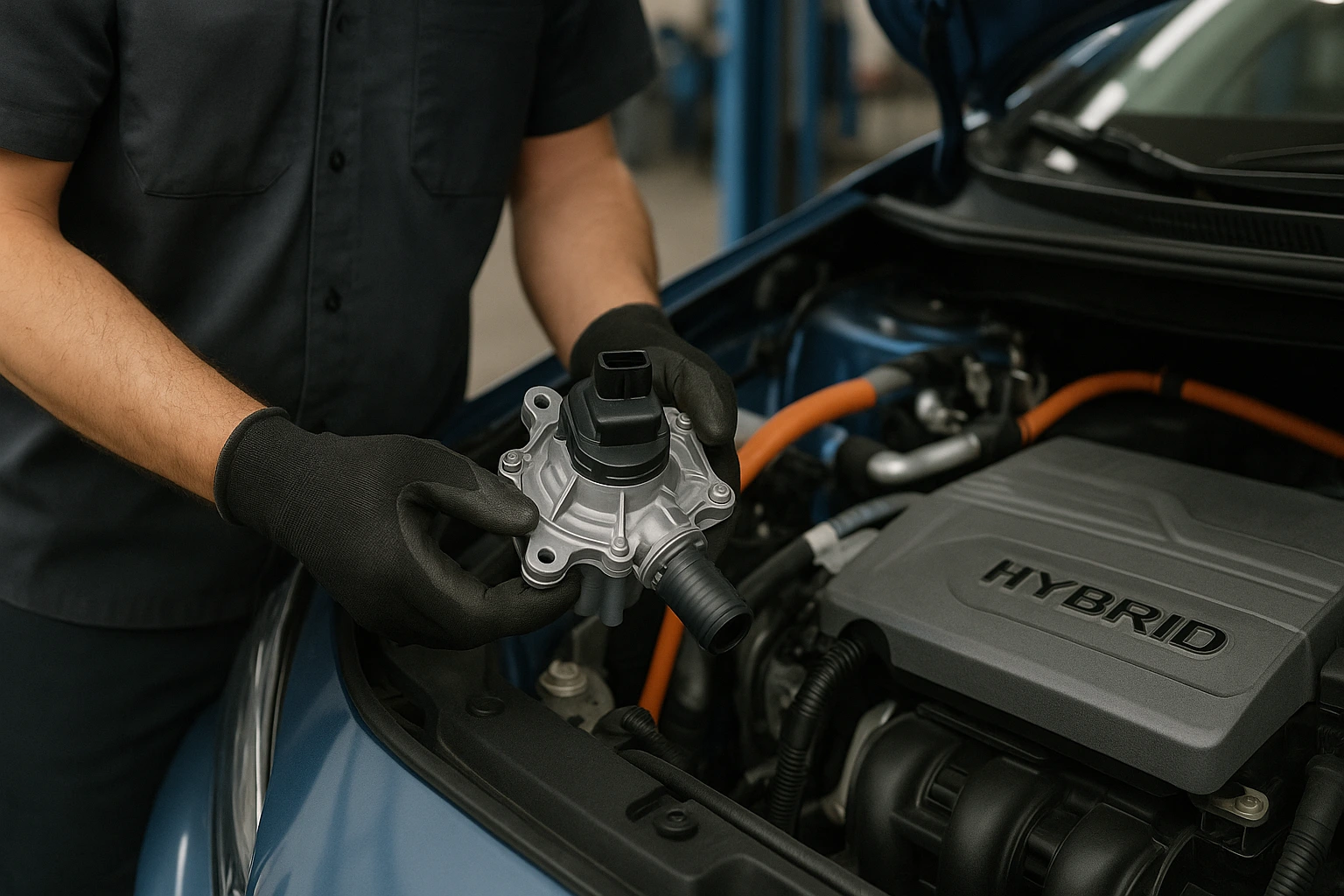
Hybrid vehicles often use electric water pumps instead of mechanical ones. These pumps can run even when the engine’s off, which helps keep the hybrid system from overheating. But if they fail? You’re in trouble.

Understanding the Hybrid Water Pump

What is a Hybrid Water Pump?

It’s a component that circulates coolant in the engine and hybrid system. Most hybrids have a dedicated pump for the hybrid battery and inverter too.


Electric vs. Mechanical Water Pumps in Hybrids

Electric water pumps are more common in hybrids. They’re efficient, but they can fail silently. Mechanical pumps are belt-driven and typically give signs before failing.


Common Symptoms of Water Pump Issues

  • Rising engine temperature

  • Unusual noise under the hood

  • Coolant leaks

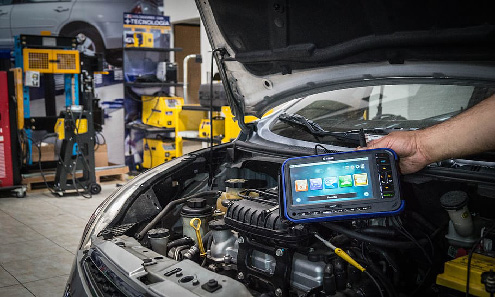
  • Error codes from your scanner

If you see any of these, it’s time to act.

Tools and Supplies Needed

Basic Toolkit Checklist

  • Wrench set

  • Screwdrivers

  • Coolant catch pan

  • Torque wrench

Safety Gear and Preparations

  • Gloves

  • Safety glasses

  • Ramps or jack stands

  • Vehicle owner’s manual

Pre-Maintenance Checklist

  • Vehicle Cooling Status: Always work on a cool engine. Let your hybrid sit for at least 1–2 hours before beginning.
  • Checking Coolant Level: Pop the hood and check the reservoir. If it’s low, you may already have a leak.
  • Diagnostic Scan for Error Codes: Plug in an OBD2 scanner. If there’s a code like P0A93 (inverter cooling system performance), your water pump is a likely culprit.

Step-by-Step Maintenance Procedure

Step 1: Disconnect the Battery

Always disconnect the 12V and high-voltage battery before working on a hybrid. Safety first.

Step 2: Drain the Coolant

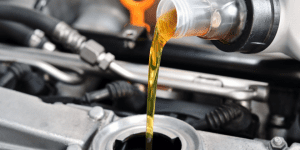
Open the drain plug and let the old coolant flow into your catch pan.

Step 3: Locate the Water Pump

It’s usually near the inverter on hybrids like the Prius or Insight. Consult your manual.

Step 4: Inspect for Leaks and Cracks

Look around the water pump housing. Any pink or green residue? That’s dried coolant.

Step 5: Clean Around the Pump

Use a clean rag or compressed air. You don’t want debris entering the cooling system.

Step 6: Test the Electric Motor (If Applicable)

Use a multimeter or scan tool to check voltage and function.

Step 7: Tighten Connections and Bolts

Loose bolts? Tighten them to spec. A minor rattle today can be a major leak tomorrow.

Step 8: Refill Coolant and Bleed the System

Use manufacturer-approved coolant. Bleed air pockets from the system using the bleeder valve or heater method.

Step 9: Reconnect the Battery and Test Run

Reattach the battery and turn on the ignition. Watch for leaks, listen for odd sounds, and keep an eye on the temperature gauge.

Post-Maintenance Checks

Monitor Temperature Gauges

Make sure your engine and hybrid system don’t overheat during your test drive.

Look for Leaks or Drips

After the drive, check under the car. No drips? You’re golden.

Perform Road Test

Drive for 10–15 minutes. Listen, watch, and feel. Everything normal? You’re done!

Maintenance Schedule and Best Practices

How Often Should You Check the Water Pump?

Every 20,000 to 30,000 miles. Or sooner if you see symptoms.

Tips for Extending Water Pump Life
  • Use quality coolant

  • Don’t ignore overheating signs

  • Check coolant levels monthly

When to Replace Instead of Maintain

Signs It’s Time for a New Water Pump

  • Persistent leaks

  • Grinding noises

  • Low pump voltage

  • Engine overheating despite recent service

OEM vs Aftermarket Replacement

OEM pumps fit perfectly and last longer. Aftermarket ones are cheaper but may wear out faster.

Common Mistakes to Avoid

Ignoring Warning Signs

That “check hybrid system” light? Don’t ignore it.

Skipping Coolant Bleeding

Air pockets can kill your system. Always bleed it properly.

Using the Wrong Coolant

Only use what your manual recommends. Don’t experiment.

Environmental Impact of a Faulty Water Pump

Overheating and Emission Concerns

An overheating hybrid engine works harder, emits more, and consumes more fuel.

Recycling Old Parts

Always recycle your old pump and coolant. Help the planet out.

Innovations in Hybrid Cooling Systems

Smart Cooling Tech

Some hybrids now use sensors to optimize pump activity. More efficient, less waste.

Upcoming Trends

Expect AI-controlled systems and better thermal management in upcoming EVs and hybrids.

Maintaining your hybrid car’s water pump isn’t rocket science, but it does take care, tools, and a little know-how. Staying on top of it means you’ll extend your car’s life, avoid costly breakdowns, and drive more efficiently. Now that you know what to do—what are you waiting for? Pop the hood and get started!

Connect us with social media platforms like FacebookInstagramYouTube, and Linkedin.

See More Posts

Hybrid Car Millage & Acceleration Booster Dose

Hybrid Car Booster Dose Service

আপনার Hybrid গাড়িটি হতে আশানুরুপ মাইলেজ পাচ্ছেন না? গাড়িটি চালাতে...

Read More
Shopping Cart
Scroll to Top