Category: Car Care

  • How Hybrid Batteries Work: A Beginner’s Guide

    How Hybrid Batteries Work: A Beginner’s Guide

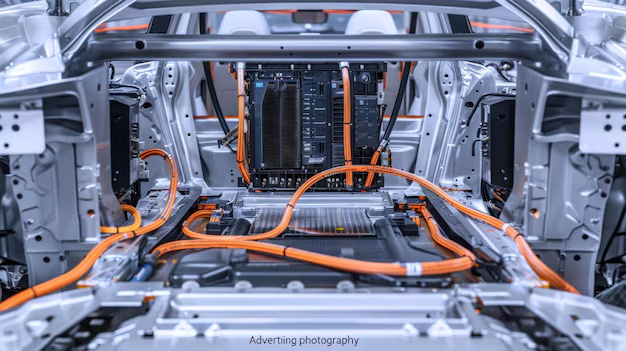
    Hybrid vehicles use a combination of an internal combustion engine (ICE) and an electric motor powered by a rechargeable battery. Unlike traditional gasoline-powered cars, hybrids are designed to optimize fuel consumption by switching between or combining electric and gasoline power.

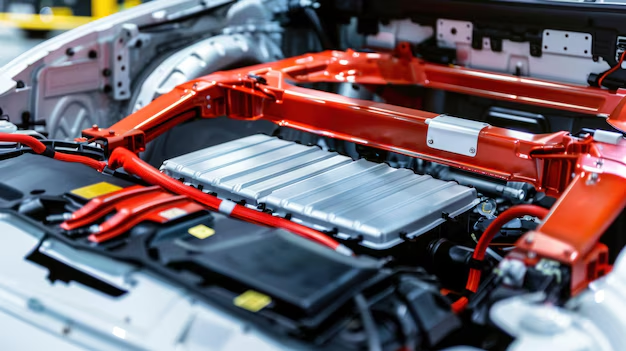
    The hybrid battery is the core component that stores and supplies electricity to the electric motor. It helps reduce fuel consumption, especially in city driving, where stop-and-go traffic is common, such as in Dhaka and other major Bangladeshi cities.

    Understanding Hybrid Cars and Their Batteries

    A hybrid vehicle is a cool combination of an internal combustion engine and an electric motor, powered by a rechargeable battery. This smart system lets the car switch between gas and electric power or use both simultaneously, depending on the driving conditions. The result? Improved fuel efficiency and cleaner air!

    There are a few different types of hybrid cars:

    1. Parallel Hybrids: The electric motor and gasoline engine work together to give you power on the road.

    2. Series Hybrids: In this setup, the gasoline engine generates electricity to power the motor, without any direct connection to the wheels.

    3. Plug-in Hybrids (PHEVs): These beauties come with larger batteries that can be recharged by plugging into an external power source, allowing for longer electric-only driving.

    No matter the type, all hybrid vehicles rely on batteries to store and supply electrical energy.

    So, What’s a Hybrid Battery?

    A hybrid battery is a rechargeable energy storage device that powers the electric motor. Unlike regular car batteries that just start the engine and power accessories, hybrid batteries can handle frequent charging and discharging. They work hand in hand with the internal combustion engine to boost fuel economy and overall vehicle performance.

    You’ll mainly find two types of hybrid batteries:

    1. Nickel-metal hydride (NiMH) Batteries: These are often found in older hybrid models. They’re known for being durable and long-lasting, using a hydrogen-absorbing alloy for the negative electrode and nickel oxide hydroxide for the positive electrode.

    2. Lithium-Ion (Li-Ion) Batteries: Common in modern hybrids and plug-in hybrids, Li-Ion batteries are lighter and more efficient, offering a higher energy density. They provide better performance and charge up faster than NiMH batteries.

    So, whether you’re looking to save on fuel or go green, hybrid vehicles with their advanced batteries are a great choice!

    3. Switching Between Gasoline and Electric Power

    Hybrid cars combine automatic switching between gasoline and electric motors because of changing driving situations. At stationary periods and during slow driving, the electric motor functions as the main source of power. Like other hybrid models, the gasoline engine activates for more power when the vehicle reaches greater speeds or when heavy acceleration occurs.

    4. Self-Charging Mechanism

    Most hybrid cars differ from electric vehicles (EVs) because they do not need charging stations. The battery of these vehicles is recharged through either regenerative braking or the operation of the internal combustion engine. Hybrid vehicles constitute an optimal solution for Bangladesh because the nation has limited infrastructure for EV charging stations.

    Types of Hybrid Batteries

    Modern hybrid vehicles make use of two principal hybrid battery systems.

    1. Nickel-Metal Hydride (NiMH) Batteries

    • Found in older hybrid models.
    • Reliable and durable with moderate energy storage capacity.
    • The batteries develop memory effects, reducing efficiency throughout their operational period.

    2. Lithium-Ion (Li-Ion) Batteries

    • New hybrid models incorporate this battery type because of its high energy storage capabilities and low weight.
    • These batteries achieve better performance and have a longer lifespan than NiMH batteries.
    • These batteries deliver higher operational performance, though they have greater price tags.

    Benefits of Hybrid Batteries for Bangladeshi Drivers

    Bangladesh citizens who buy hybrid vehicles gain multiple advantages. Hybrid batteries promote both economical driving and reduced environmental damage.

    1. Fuel Efficiency

    Fuel prices in Bangladesh persist in escalating, so hybrid vehicles prove to be economical alternatives for customers. Hybrid batteries make vehicles consume less fuel, particularly during traffic periods when vehicles stop frequently.

    2. Lower Emissions

    Hybrid vehicles release smaller amounts of pollution than gasoline-powered cars, so they help cities with pollution problems achieve better air quality.

    3. Reduced Maintenance Costs

    Hybrid vehicles function with electric power and gasoline; thus, their gasoline engines need lower maintenance because they undergo reduced wear.

    4. Quiet and Smooth Driving Experience

    Electric motor enhancements in hybrid vehicles lead to both peace and better driving comfort, making them optimal for city travel.

    How to Maintain Hybrid Batteries in the Markets of Bangladesh

    Proper maintenance procedures determine the lifetime of a hybrid battery. The following recommendations apply to Bangladeshi hybrid car users.

    1. Drive Regularly

    Regular use of hybrid batteries ensures their effectiveness will remain stable. A hybrid car battery will age more quickly when it remains unused for extended periods.

    2. Avoid Extreme Temperatures

    The typical heat levels across Bangladesh damage battery efficiency. Protecting your battery from extreme heat becomes easier by placing your vehicle under shaded areas or in a garage.

    3. Monitor the Cooling System

    Prior to operation, hybrid batteries rely on cooling fans to maintain their proper temperature. The airflow to cooling vents should be properly maintained to prevent overheating.

    4. Follow the Manufacturer’s Maintenance Schedule

    All hybrid vehicles need maintenance following the instructions specified by vehicle manufacturers. Battery performance remains optimal through routine checkups, and servicing will be performed at official service centers.

    Common Concerns About Hybrid Batteries in Bangladesh

    1. The life expectancy of hybrid batteries extends from eight to fifteen years.

    A hybrid battery set has an operational lifespan of 8 to 15 years unless proper use and maintenance practices are followed. Proper maintenance will increase the lifespan of hybrid batteries in Bangladesh, where roads have different conditions.

    2. What Happens When the Battery Dies?

    A hybrid battery failure results in reduced efficiency or causes the vehicle to stop operating completely. Bangladesh’s market offers hybrid battery replacement possibilities through service facilities that provide used yet refurbished battery systems to customers.

    3. Using and replacing hybrid batteries proves an expensive undertaking.

    Many hybrid car owners in Bangladesh select reconditioned batteries and battery reconditioning services to maintain endurance without expending large sums because hybrid battery repairs cost significant money.

    4. Where Can I Service My Hybrid Battery in Bangladesh?

    Hybrid vehicle servicing occurs at several workshops with established locations throughout Dhaka, Chattogram, and other major cities. Select an experienced mechanic familiar with hybrid systems since this choice will safeguard your hybrid from avoidable problems.

    Hybrid cars offer Bangladesh drivers the perfect solution between economic fuel efficiency, top-tier driving performance, and environmental benefits. Knowledge about hybrid battery operation helps car owners extend their vehicle’s efficiency and operational life. The combination of the right maintenance protocols and battery care knowledge helps maintain your hybrid car as an affordable and dependable method of travel throughout multiple years.

    Mastering hybrid battery knowledge gives hybrid car owners or prospective buyers the potential to optimize their vehicle performance. With the proper maintenance of a hybrid battery, your vehicle will operate efficiently and reliably throughout Dhaka’s crowded streets and the longer route to Cox’s Bazarhybrid battery maintenance.

    Connect us with Social Media Platform: Facebook, Instagram, YouTube, Linkedin
  • 7 Signs It’s Time to Replace Your Hybrid Battery

    Hybrid cars are changing the way we think about driving! By combining a traditional, efficient internal combustion engine with a helpful electric motor, these vehicles provide great fuel efficiency and lower emissions. The hybrid battery is at the heart of this setup and is responsible for storing and supplying the electrical energy that powers the electric motor. Like all batteries, hybrid batteries have a limited lifespan, so it’s good to be aware of the signs that it might be time for a replacement. Here are seven friendly hints to help you identify when your hybrid battery may need attention!

    1. Decreased Fuel Efficiency

    Hybrid vehicles are great because they offer improved fuel efficiency! However, if your miles per gallon readings are dropping, it might be a sign that your battery isn’t performing as well as it should. A weakened battery makes your car rely more on its gasoline engine, which can lead to using more fuel.

    So, why does this happen?

    When your hybrid battery works well, it helps with engine acceleration and makes it easier to drive at low speeds, which keeps gasoline usage down. If the battery strength starts to fade, the engine has to work harder, resulting in higher fuel consumption.

    What can you do?

    It’s a good idea to monitor your vehicle’s fuel efficiency. If you notice that your battery power is consistently decreasing and you can’t find any other reason, don’t hesitate to contact a professional for a battery check. They’ll help ensure your hybrid stays in tip-top shape!

    2. Fluctuating State of Charge

    You’ll find the battery charge status displayed right on the dashboard of your hybrid vehicle. Normally, the battery charge level changes gradually during regular driving. However, if you notice any sudden jumps between full and low charge, it’s a good idea to pay attention, as this could mean there’s an issue with your battery.

    Understanding the Issue

    If you see quick fluctuations in your battery’s charge, it might indicate a problem, often related to aging battery cells or potential failure.

    Recommended Action

    It’s best to have a certified hybrid vehicle technician take a look at your car. They’ll perform some diagnostic testing to check on your battery’s condition and help determine if it needs replacing. Remember, it’s always better to be safe and keep your vehicle running smoothly!

    3. Unusual Engine Noises

    Noisy engines can be a bit concerning, especially when they start making unusual sounds because of a struggling battery. When the battery isn’t pulling its weight, the internal combustion engine has to work overtime without help from the electric motor.

    Common Sounds to Listen For

    1. Knocking and Pinging: If you hear these sounds, it could mean the engine is working harder than usual due to reduced electric support.

    2. High-Pitched Whining: This noise might be a sign of trouble with your transmission or electric motor, possibly linked to battery issues.

    What to Do Next

    If you spot any strange noises coming from your engine, it’s a good idea to get your vehicle checked out by a professional as soon as you can. Addressing these noises early on can help prevent bigger problems down the road!

    4. Illuminated Warning Lights

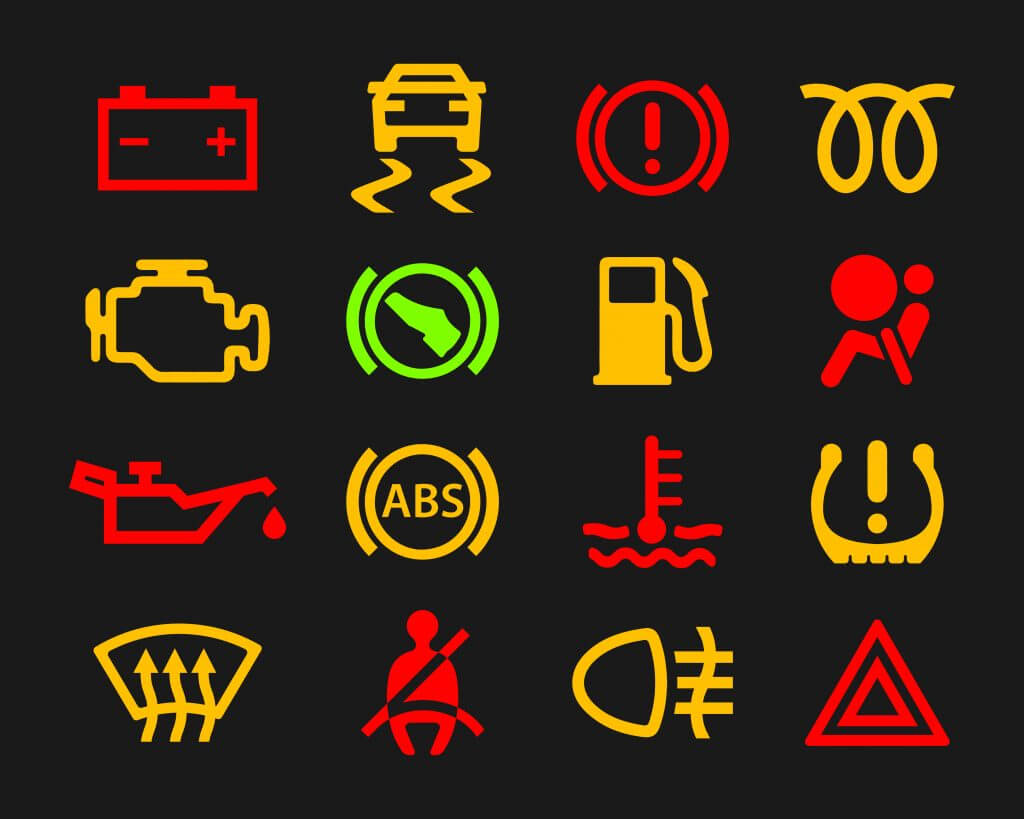
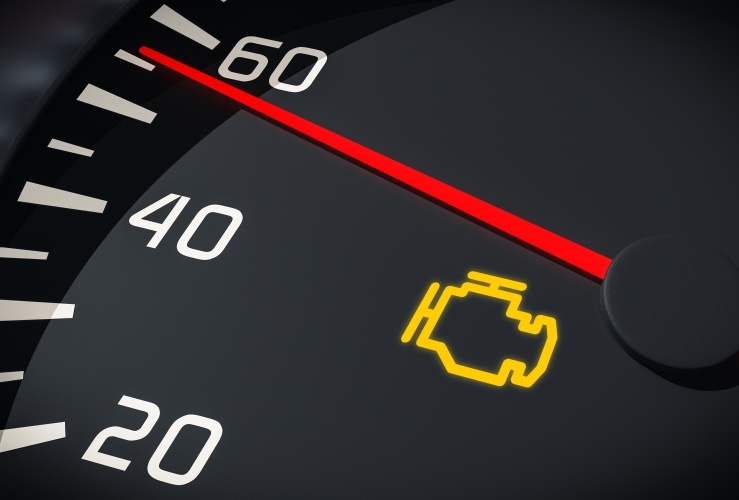
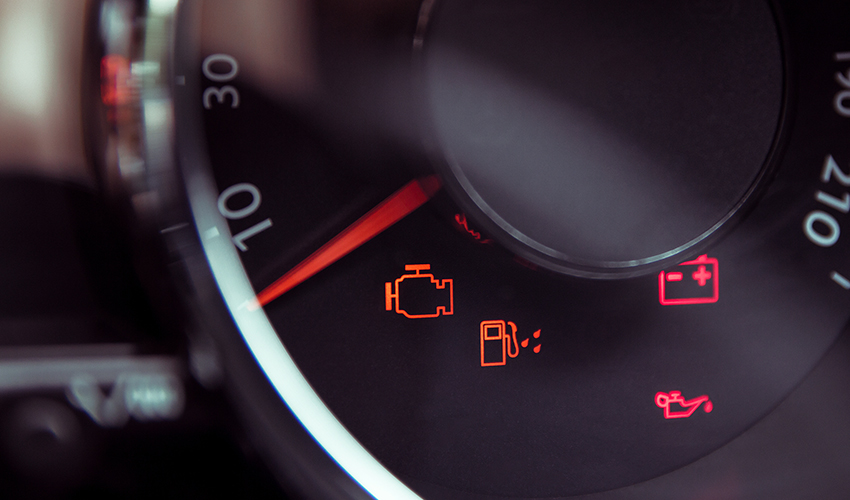
    Did you know that modern vehicles come with advanced onboard diagnostic systems? These nifty systems keep you informed about any issues by lighting up warning signals. In hybrid cars, you might see some specific alerts if there’s a problem with the battery.

    Key Warning Signs

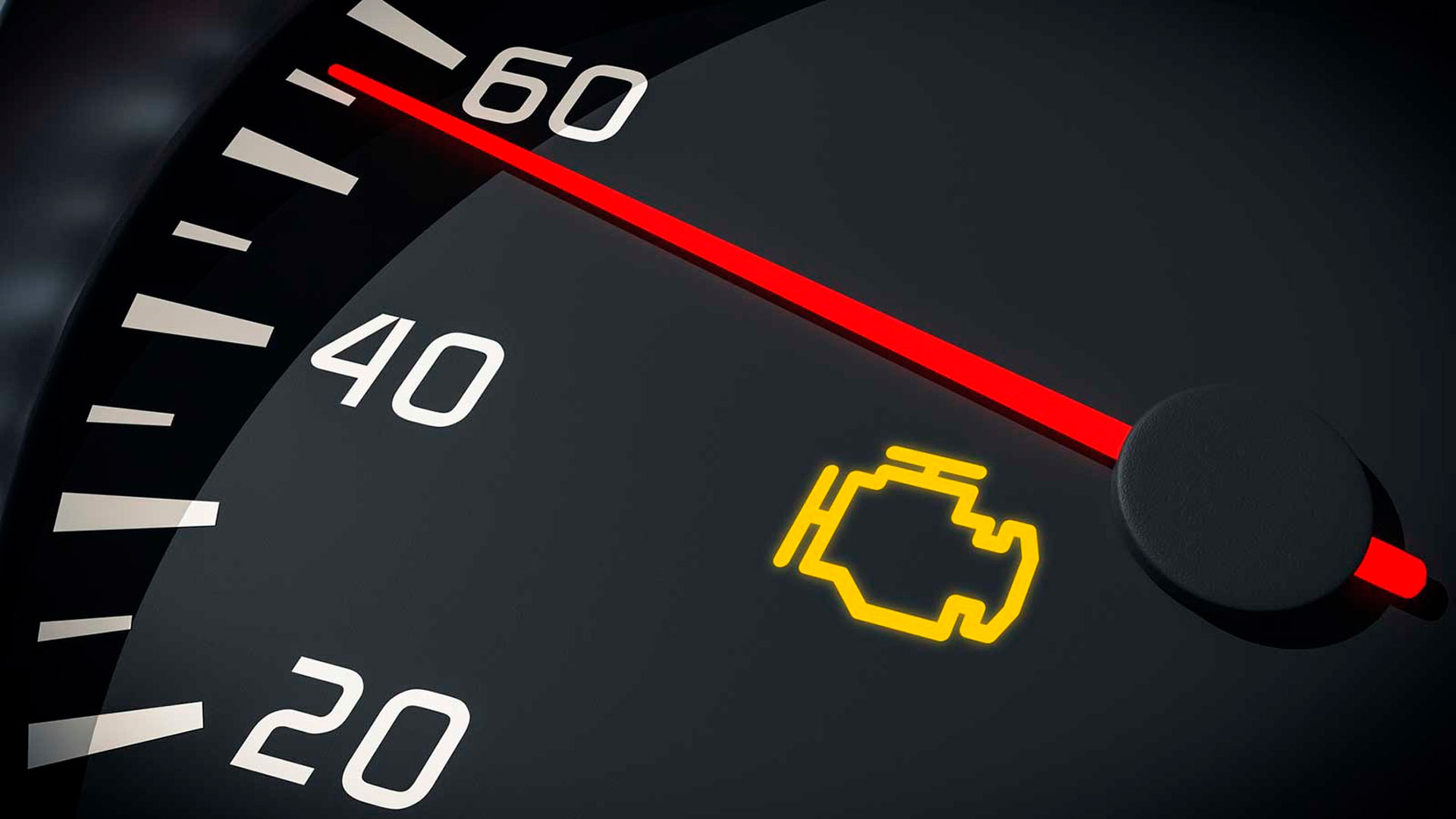
    One sign to look out for is the “Check Hybrid System” light. This light suggests that there may be something going on with the battery. You might also notice the check engine light and other warning indicators lighting up if there are battery-related issues.

    What to Do Next

    If you see any of these warning lights, don’t panic! It’s best to reach out to a qualified technician as soon as you can. They’ll help you figure out what’s going on and get everything back to normal in no time. Drive safe!

    5. Reduced Acceleration and Power

    A combination vehicle is designed to use its electric motor for smooth acceleration and great efficiency. However, if the battery is faulty, you might notice changes in the vehicle’s performance.


    Here Are Some Signs to Look Out For:

    – Your vehicle may take a little longer to reach the speeds you want when accelerating.
    – You might feel a drop in power, especially when driving up hills or carrying heavy loads.

    What You Can Do

    If you notice that your gas pedal doesn’t respond as quickly as it should, or if the engine feels less powerful, it’s a good idea to check the hybrid battery. Inspecting it can help identify any problems and keep your vehicle running smoothly!

    6. Increased Emissions

    Hybrid vehicles are great for the environment because they produce fewer pollutants! A key factor in how clean they run is the condition of their batteries.

    Why This Happens

    When a battery starts to wear down, the gasoline engine has to kick in more often and work harder, which can lead to higher emissions.

    How We Can Spot Issues

    Regular emissions testing helps professionals catch any unusual pollutant levels in vehicles. If you notice any strange smells from the exhaust or if the air quality around you seems off, it might be a sign that something needs attention in your vehicle. Staying on top of these checks helps keep both your car and the environment in good shape!

    7. Age and Mileage of the Battery

    Hybrid batteries can last a long time, but they don’t last forever! Keeping an eye on your vehicle’s age and mileage can give you great insights into how your battery is doing.

    Typical Lifespan

    Most hybrid batteries are built to last around 8 to 10 years or about 100,000 to 150,000 miles. That said, things like how you drive, the climate you’re in, and the care you give your vehicle can all affect how long your battery will last.


    When to Consider Replacement

    High Mileage: If your ride has made it past 150,000 miles, it’s a good idea to keep a close watch on your battery’s performance.  

    Advanced Age: Even if you don’t drive much, batteries that are over ten years old might start showing signs of wear.


    Proactive Measures  

    Regular maintenance and check-ups can really help your battery live its best life! Plus, being aware of your battery’s age and how often you use it can help you stay ahead of any potential issues.

    What to Do If You Notice These Signs

    Hey there! If you’re noticing signs that your hybrid battery might be failing, don’t worry—you can take steps to keep your vehicle running smoothly. Here’s what you can do:


    1. Get a Professional Check-Up

       It’s a good idea to consult a certified hybrid technician for a thorough diagnostic test. They can check the battery’s health and give you tailored recommendations.


    2. Explore Replacement Choices

       If you find that you need a replacement, there are some great options:  

       New Batteries: These come with manufacturer warranties, ensuring you get top-notch performance.  

       Reconditioned Batteries: These have been refurbished to bring them back to life and can save you some money!


    3. Pick a Trusted Supplier  

       Choosing a reliable supplier for your hybrid battery is really important. In Bangladesh, Car Care BD has a great selection of new Japanese hybrid batteries for various models, like:  

       Toyota: Aqua, Axio, Prius, Noah, Harrier, Camry  

       Honda: Civic, Accord, Insight, Vezel  

       Nissan: X-Trail

       For instance, Car Care BD has new hybrid batteries specifically for the Toyota Camry Hybrid, so you can feel confident about quality and reliability.


    4. Think About Costs and Warranties

       When considering battery replacement, take a moment to think about the costs involved and the warranties available. Investing in a good-quality battery with a solid warranty can give you peace of mind and save you money in the long run.


    Take care of your hybrid battery, and your vehicle will thank you!

    Tips to Extend the Life of Your Hybrid Battery

    Preventative measures can help prolong the lifespan of your hybrid battery:

    1. Regular Maintenance

    Adhere to the manufacturer’s recommended maintenance schedule. Regular check-ups can identify potential issues before they escalate.

    2. Moderate Driving Habits

    Avoid aggressive acceleration and heavy braking. Smooth driving reduces stress on the battery and other components.

    3. Climate Considerations

    Extreme temperatures can affect battery performance. Whenever possible, park.


    Connect us with Social Media Platform: Facebook, Instagram, YouTube, Linkedin
  • Toyota Hybrid Battery Replacement Service

    Hybrid Battery

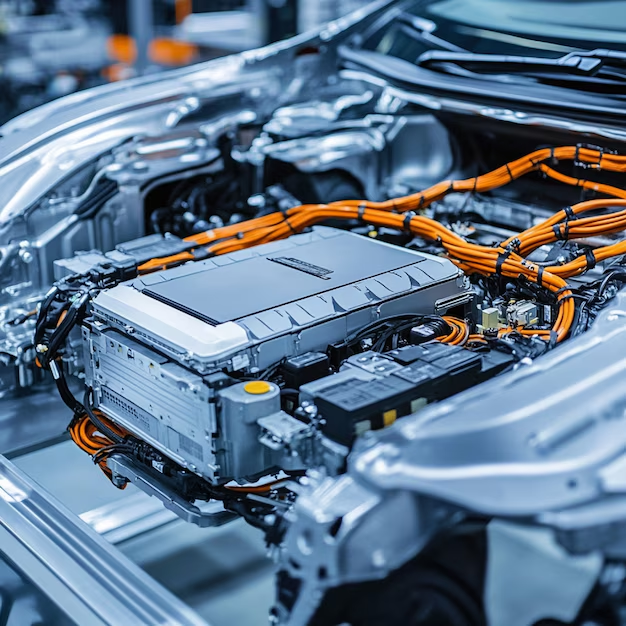
    Toyota hybrid vehicles are known for their fuel efficiency, eco-friendliness, and long-lasting performance. However, like any car component, the hybrid battery has a limited lifespan and will eventually need replacement. If you own a Toyota hybrid and are experiencing reduced fuel efficiency, warning lights, or power loss, it may be time for a battery replacement.

    In this guide, we’ll cover everything about Toyota hybrid battery replacement service, including signs of a failing battery, replacement options, costs, and why choosing a professional service is essential.

    Signs That Your Toyota Hybrid Battery Needs Replacement

    Hybrid batteries are designed to last for many years, but several factors can affect their lifespan. Here are some common signs that indicate it’s time for a Toyota hybrid battery replacement:

    1. Decreased Fuel Efficiency

    If your hybrid car is consuming more fuel than usual, the battery might not be holding a charge properly. A weak battery forces the engine to work harder, reducing fuel efficiency.

    2. Warning Lights on the Dashboard

    A failing hybrid battery may trigger the Check Hybrid System warning on your dashboard. If you see this warning, get your car checked immediately.

    3. Reduced Acceleration and Performance

    A weak battery can affect your car’s performance, making acceleration sluggish and unresponsive. If your car struggles to switch between battery and engine power, replacement might be necessary.

    4. Inconsistent Battery Charge Levels

    Does your battery charge drop rapidly and then recharge unexpectedly? Fluctuating charge levels are a major sign of a failing battery.

    5. Unusual Engine Noises

    A faulty battery puts extra pressure on the internal combustion engine, causing it to work harder and make unusual noises.

    Toyota Hybrid Battery Replacement Options

    When replacing your Toyota hybrid battery, you have a few options based on your budget and requirements:

    1. Brand-New OEM Battery

    A new Toyota hybrid battery from an authorized dealer ensures maximum reliability and performance. These batteries come with a warranty of 8-10 years, but they are the most expensive option.

    2. Reconditioned Hybrid Battery

    A reconditioned battery is a used battery that has been refurbished to restore performance. It is a budget-friendly alternative to a new battery, but its lifespan is shorter.

    3. Used Hybrid Battery

    Buying a used hybrid battery can be risky, as you don’t know its actual condition. This option is only recommended if you need a temporary fix.

    4. Aftermarket Hybrid Battery

    Some third-party manufacturers produce aftermarket hybrid batteries that can be more affordable. However, make sure you choose a trusted supplier to avoid poor performance.

    Why Choose a Professional Toyota Hybrid Battery Replacement Service?

    Professionals for hybrid Battery

    While some DIY enthusiasts attempt to replace hybrid batteries themselves, professional replacement services offer several advantages:

    1. Expertise and Experience

    Certified technicians specialize in hybrid systems and can diagnose battery issues accurately.

    2. Safety Assurance

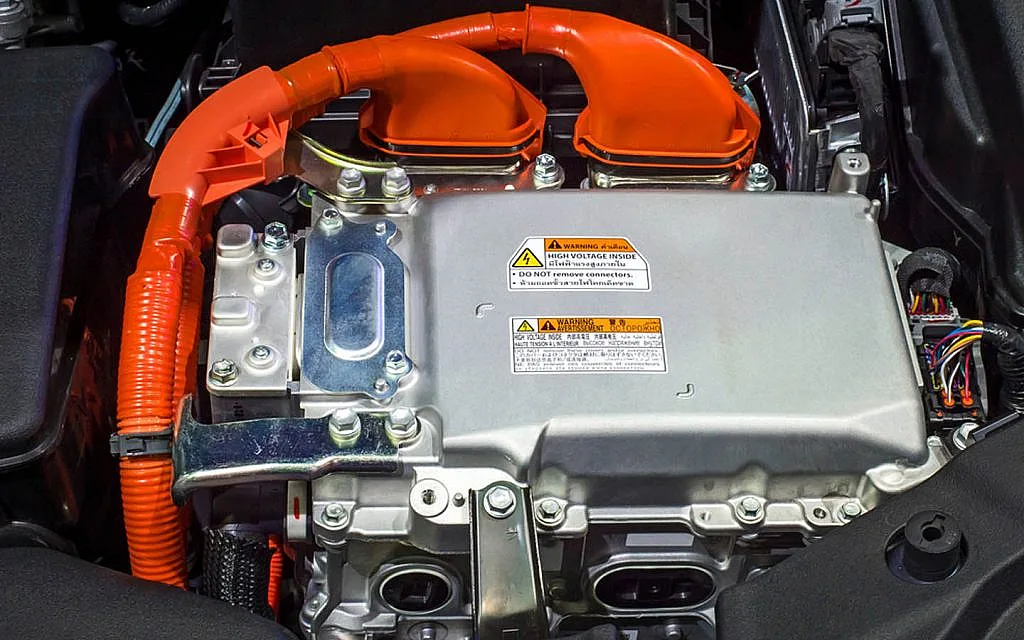
    Hybrid batteries operate at high voltage, posing serious risks if handled improperly. Professional technicians follow strict safety procedures.

    3. Warranty Coverage

    Reputable service providers offer warranty options on replacement batteries, giving you peace of mind.

    4. Proper Disposal of Old Batteries

    Hybrid batteries contain hazardous materials that must be disposed of safely. Certified workshops ensure eco-friendly disposal.

    5. Long-Term Cost Savings

    A properly installed battery lasts longer and improves vehicle performance, reducing future maintenance costs.

    How to Extend the Life of Your Toyota Hybrid Battery

    Extended Hybrid Battery Life

    To delay the need for replacement, follow these maintenance tips:

    1. Drive Regularly

    Frequent driving helps keep the battery charged and prevents deep discharges.

    2. Park in the Shade

    Extreme heat can damage battery cells. Always park in a shaded area or garage.

    3. Avoid Rapid Acceleration and Braking

    Smooth driving habits reduce battery stress and enhance longevity.

    4. Get Regular Hybrid System Check-Ups

    Periodic battery health check-ups can detect issues early and extend battery life.

    5. Keep the Battery Cooling System Clean

    Hybrid batteries rely on a cooling fan to prevent overheating. Clean the fan regularly to maintain efficiency.

    Where to Get the Best Toyota Hybrid Battery Replacement Service?

    Replacement of hybrid battery

    If you’re in Bangladesh and need a Toyota hybrid battery replacement, Car Care BD offers expert services for various Toyota hybrid models, including:

    • Toyota Prius Hybrid Battery Replacement
    • Toyota Aqua Hybrid Battery Replacement
    • Toyota Axio Hybrid Battery Replacement
    • Toyota Noah Hybrid Battery Replacement

    Why Choose Car Care BD?

    ✅ Genuine Reconditioned & OEM Batteries
    ✅ Affordable Pricing
    ✅ Expert Hybrid Technicians
    ✅ Warranty on Replacements
    ✅ Fast & Reliable Service

    Replacing your Toyota hybrid battery is a crucial investment to maintain your car’s performance. Whether you choose a new, reconditioned, or aftermarket battery, always rely on a professional replacement service to ensure safety and efficiency.

    If you’re experiencing signs of battery failure, don’t wait—get your Toyota hybrid battery checked and replaced today!

    📞 Contact Car Care BD for a Free Battery Health Check-Up! 🚗🔋

    Connect us with Social Media platforms: Facebook, Instagram, YouTube, Linkedin .
  • What Is a Steering Wheel and How Does It Work?

    Car Steering Wheel

    The steering wheel is one of the most important components of any vehicle, giving the driver control over the direction of movement. It connects to the steering system and allows the driver to maneuver the car smoothly, whether making small adjustments or sharp turns. Without a properly functioning steering wheel, safe driving would be impossible.

    Steering wheels have evolved over the years, from simple mechanical systems to advanced power steering and multi-function designs. Understanding how a steering wheel works and its role in vehicle control can help drivers appreciate its importance and maintain it properly.

    How Does a Steering Wheel Work?

    A steering wheel works by transferring the driver’s movement into mechanical or electronic signals that turn the front wheels of the car. This process involves several components, each playing a key role in ensuring smooth steering.

    1. Turning the Steering Wheel

    When a driver rotates the steering wheel, it moves the steering column, which is a shaft that connects the wheel to the steering system. The motion of the column is transferred to the steering gearbox or rack-and-pinion system, which translates the rotational motion into linear movement.

    2. Steering Gear Mechanism

    The two most common types of steering mechanisms are:

    • Rack-and-Pinion Steering – This system consists of a gear (pinion) that moves a toothed metal bar (rack) to turn the wheels. It is widely used in modern passenger cars due to its efficiency and simplicity.
    • Recirculating Ball Steering – Found in trucks and larger vehicles, this system uses a series of ball bearings to reduce friction and transfer movement more smoothly.

    3. Power Steering Assistance

    Older vehicles relied entirely on manual steering, which required significant effort, especially at low speeds. Modern vehicles use power steering systems to make the process easier.

    There are two main types of power steering:

    • Hydraulic Power Steering (HPS): Uses hydraulic fluid to assist in turning the wheels, reducing driver effort.
    • Electric Power Steering (EPS): Uses an electric motor to provide steering assistance, improving efficiency and reducing fuel consumption.

    Power steering ensures that drivers can control their vehicles comfortably without excessive strain.

    4. Wheel Movement and Stability

    As the steering wheel turns, it adjusts the tie rods and control arms, ensuring the front wheels move in the desired direction. The caster angle, toe alignment, and camber angle also play a role in maintaining vehicle stability, reducing tire wear, and improving handling.

    Why Is the Steering Wheel Important?

    The steering wheel is not just a control mechanism; it plays a crucial role in vehicle safety, comfort, and efficiency. Here’s why it’s important:

    1. Ensures Vehicle Control

    Without a steering wheel, a driver wouldn’t be able to control the car’s movement. A responsive steering system ensures the vehicle moves precisely in the intended direction.

    2. Enhances Safety

    A properly functioning steering wheel allows for quick reactions to road obstacles, sudden turns, and emergency situations. If the steering system fails, the driver may lose control, leading to accidents.

    3. Improves Comfort

    Modern power steering systems make driving more comfortable by reducing the effort needed to turn the wheel. Adjustable steering wheels also help drivers find the most ergonomic position.

    4. Provides Better Maneuverability

    A good steering system allows for smooth cornering, easy lane changes, and effortless parking. Vehicles with responsive steering provide a better driving experience, especially in congested areas.

    Common Steering Wheel Problems and Maintenance Tips

    Like any other vehicle component, steering wheels can develop problems over time. Here are some common issues and how to prevent them:

    1. Steering Wheel Vibrations

    If your steering wheel shakes while driving, it could be due to unbalanced tires, misaligned wheels, or suspension issues. Regular tire balancing and alignment checks can prevent this problem.

    2. Hard Steering

    If turning the wheel requires excessive effort, the power steering system may have low fluid levels or a failing pump. Checking and refilling power steering fluid can help.

    3. Loose Steering Wheel

    A loose or unresponsive steering wheel may indicate worn-out tie rods, ball joints, or steering column components. Regular inspections and timely repairs are essential.

    4. Strange Noises While Turning

    If you hear squeaking or clicking sounds when turning the steering wheel, there may be an issue with the steering rack, suspension, or power steering belt. Get it checked by a professional mechanic.


    The steering wheel is a fundamental component of every vehicle, ensuring safe, smooth, and efficient driving. It works by transferring the driver’s input through a complex mechanism that turns the wheels in the desired direction. With advancements in power steering, multi-function controls, and ergonomic designs, modern steering wheels have made driving more convenient than ever.

    Maintaining a properly functioning steering system is essential for safety and comfort. Regular inspections, fluid checks, and addressing issues early can keep your steering wheel in top condition. Whether you’re driving a manual or power-assisted vehicle, understanding how your steering wheel works can help you become a more confident and informed driver.

    Connect us with social media platforms like Facebook, Instagram, YouTube, and Linkedin.

  • Innovative Features of Car Engine

    Innovative Features of Car Engine

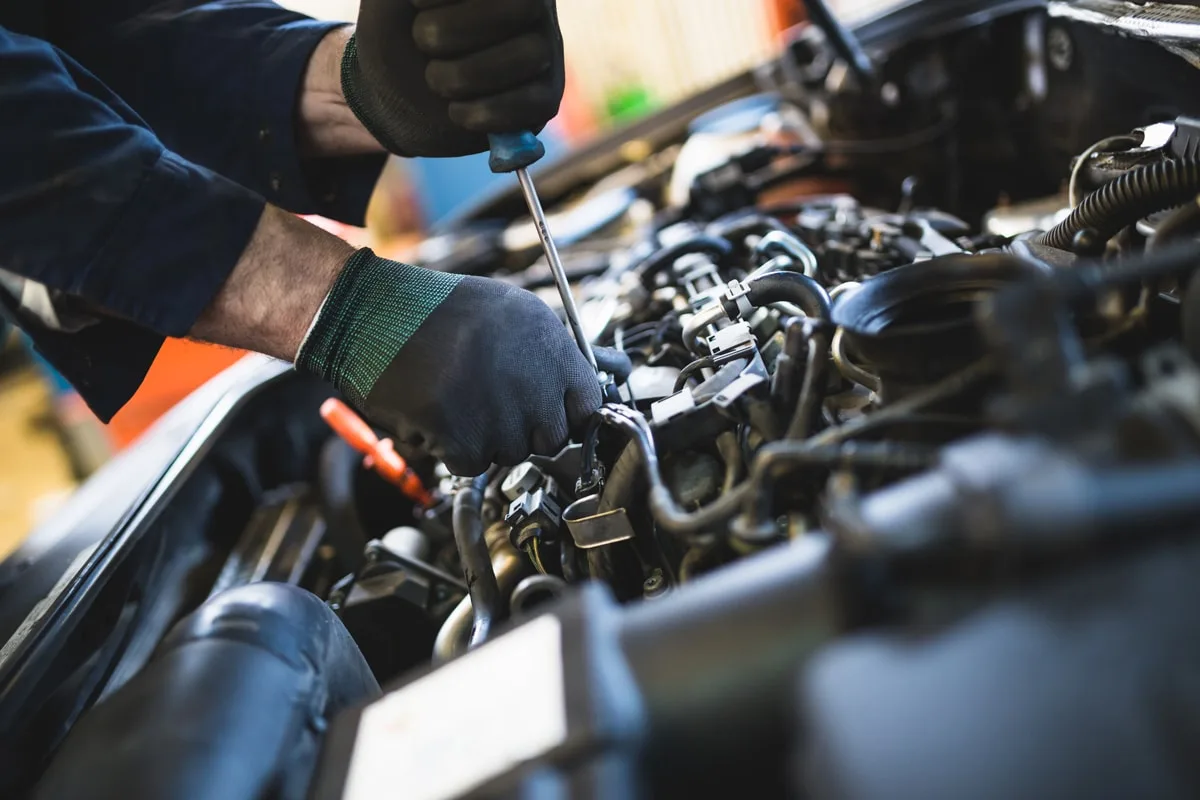
    Car Engine Repair

    The car engine has evolved significantly over the years, incorporating advanced technologies to enhance performance, efficiency, and durability. Modern engines are designed to provide optimal fuel consumption, lower emissions, and greater reliability. In this article, we will explore the latest innovations in car engines and their benefits for users.

    • Car engine efficiency – Modern engines are designed to consume less fuel while delivering maximum power, improving overall vehicle performance and reducing costs.

    • Hybrid and electric car engines – These engines combine fuel and electric power to offer better fuel efficiency, lower emissions, and a quieter driving experience.nce.

    • Turbocharging technology – Turbochargers increase engine power by compressing air before it enters the combustion chamber, resulting in better fuel economy and enhanced acceleration.

    • Variable Valve Timing (VVT) – VVT adjusts valve timing based on engine speed and load, improving fuel efficiency and performance while reducing emissions.

    • Fuel injection advancements – Direct and electronic fuel injection systems ensure precise fuel delivery, increasing power and optimizing combustion efficiency.

    • Eco-friendly engine technologies – Innovations like start-stop systems and cylinder deactivation help reduce carbon emissions and fuel consumption, making engines more environmentally friendly.

    • Smart engine diagnostics – Modern engines are equipped with sensors and onboard diagnostics that monitor engine health and performance, helping prevent breakdowns and reducing maintenance costs.

    • Engine cooling system improvements – Advanced cooling technologies, such as liquid-cooled systems and thermostatic controls, prevent overheating and extend engine life.

    Importance of Car Engines in Bangladesh

    In Bangladesh, where traffic congestion is common, fuel efficiency and durability are key factors for engine performance. Modern engines are designed to withstand humid weather and varying road conditions, ensuring reliability in everyday driving. Regular maintenance and proper engine care are essential for long-lasting performance.

    Car Engine Manual

    A car engine manual provides detailed instructions regarding engine specifications, maintenance, and troubleshooting. It includes information about engine capacity, fuel efficiency, and service intervals. Following the manual ensures the engine’s longevity and efficiency, which is essential for Bangladesh’s busy roads.

    Car Engine Manual

    How Much is a New Car Engine in Bangladesh?

    The cost of a new car engine in Bangladesh varies depending on the make and model. On average, a new engine can range from BDT 200,000 to BDT 800,000, including labor costs. High-performance or luxury car engines are usually more expensive due to advanced technology and superior components. Imported engines may cost more due to taxes and duties.

    Recondition Engine in Bangladesh.

    • There is a strong demand for reconditioned engines in Bangladesh, particularly among car owners looking to replace faulty or worn-out engines at a lower cost.
    • Popular models like Toyota, Honda, and Nissan see the highest demand due to their widespread use in the country.
    • Reconditioned engines are mainly sourced from Japan, with local suppliers and car service centers importing them.
    • These engines are widely available in the market, especially in major cities like Dhaka, where there is a large network of suppliers, mechanics, and service centers.
    • The cost of reconditioned engines in Bangladesh is significantly lower than that of new engines. A reconditioned engine can cost 30-50% less than a brand-new one.
    • For example, while a new engine may cost several lakhs of taka, a reconditioned one might cost much less, making it a popular choice for budget-conscious car owners.

    You can find out more about recondition engine in our store section, Just click here to check our available engine.

    Where Can I Find the Engine Number of My Car in Bangladesh?

    The engine number is usually located on the engine block. In Bangladesh, it can be found:

    • Stamped on the engine itself

    • On the vehicle registration documents (Blue Book)

    • Inside the owner’s manual

    • Near the cylinder head or the engine bay

    This number is essential for vehicle identification, insurance, and registration with BRTA.

    Car Engine CC List

    The engine cc (cubic capacity) determines the power and efficiency of the engine. In Bangladesh, common engine capacities include:

    • 800cc – Used in small cars like Suzuki Alto

    • 1000cc – Popular in Toyota Passo and similar models

    • 1500cc – Found in Toyota Axio and other mid-range cars

    • 2000cc and above – Used in SUVs and high-performance vehicles

    Advance Car Engine

    Common Engine Types in Bangladesh

    • Petrol Engines – Common in compact and mid-range cars

    • Diesel Engines – Preferred for commercial and high-mileage vehicles

    • Hybrid Engines – Increasingly popular for fuel efficiency

    • Electric Motors – Slowly emerging with the rise of EV technology

    Car Engine Parts

    A car engine consists of various parts that work together to generate power. Some essential components include:

    • Cylinder Block – The foundation of the engine

    • Pistons – Convert fuel combustion into mechanical motion

    • Crankshaft – Transfers motion from pistons to the drivetrain

    • Camshaft – Controls intake and exhaust valves

    • Spark Plug – Ignites the air-fuel mixture

    Regular maintenance of these parts ensures smooth engine performance, especially in Dhaka’s traffic-heavy conditions.

    Repair Car Engine Parts

    Car Engine Oil Grade in Bangladesh

    The engine oil grade determines the oil’s viscosity and performance under different temperatures. In Bangladesh, where temperatures are warm, commonly used grades include:

    • 5W-30 – Suitable for moderate climates

    • 10W-40 – Ideal for high-temperature conditions

    • 15W-50 – Recommended for heavy-duty vehicles and extreme conditions

    Choosing the right oil grade enhances engine lubrication and efficiency, which is crucial in Bangladesh’s humid climate.

    Engine Oil for Hybrid Cars in Bangladesh

    Hybrid car engines require specialized engine oil that enhances efficiency and durability. In Bangladesh, the commonly recommended grades for hybrid cars include:

    • 0W-20 – Low viscosity for fuel efficiency

    • 5W-30 – Suitable for all-season performance

    These oils reduce friction and extend the lifespan of hybrid engines, which are becoming increasingly popular in Bangladesh.

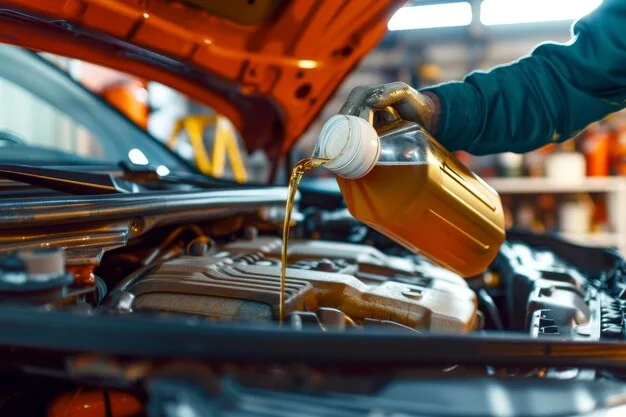
    Car Engine Oil Pouring

    Car Engine Filter

    A car engine filter ensures that dirt and debris do not enter the engine. The main types of engine filters include:

    • Air Filter – Cleans the air before it enters the engine

    • Oil Filter – Removes impurities from engine oil

    • Fuel Filter – Prevents contaminants from reaching the fuel injectors

    Replacing these filters regularly helps maintain optimal engine performance, especially considering Bangladesh’s dusty roads.

    Car Engine Holder

    The car engine holder, also known as an engine mount, secures the engine to the vehicle’s frame. It absorbs vibrations and prevents excessive engine movement. Signs of a failing engine holder include:

    • Excessive engine vibrations

    • Clunking noises

    • Misalignment issues

    Timely replacement of engine mounts ensures smoother rides and reduced engine wear, which is necessary for navigating Bangladesh’s roads.

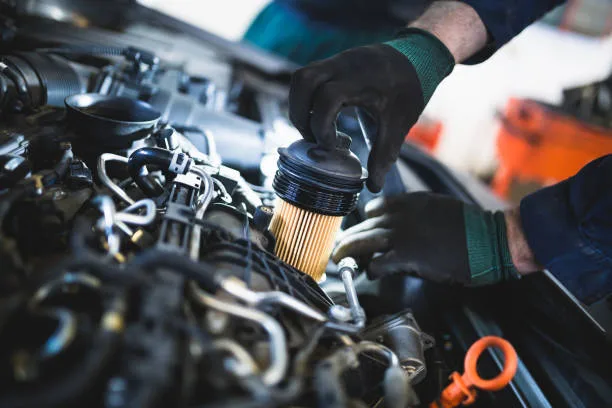
    Change Filter of a Engine

    Common Car Engine Problems in Bangladesh

    • Overheating Issues – Due to hot weather and heavy traffic

    • Fuel Efficiency Problems – Caused by poor maintenance or bad fuel quality

    • Battery and Ignition Failures – More common in hybrid and older cars

    • Carbon Build-up – Affects performance and fuel economy

    Tips for Maintaining a Car Engine in Bangladesh

    • Use high-quality engine oil suitable for the climate

    • Regularly clean and replace air and oil filters

    • Check for engine leaks and unusual noises

    • Avoid sudden acceleration and harsh braking

    • Follow the manufacturer’s maintenance schedule

    The car engine is a crucial component of any vehicle. In Bangladesh, proper maintenance, the right engine oil, and regular filter replacements contribute to a longer engine lifespan. Whether you are checking engine cc, oil grades, or looking for a new engine, staying informed ensures the best performance and durability for your car in Bangladesh’s unique driving conditions.

    Connect us with social media platforms like Facebook, Instagram, YouTube, and Linkedin.

  • Best Car Scanner for Your Car

    Best Car Scanner for Your Car

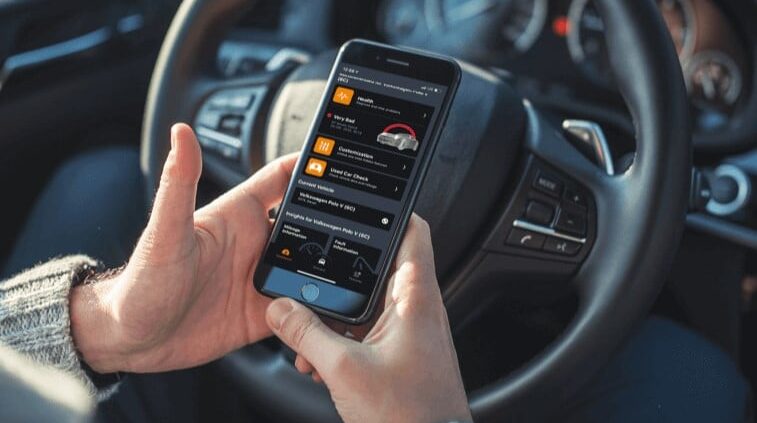
    The contemporary car is an intricate combination of mechanical and electrical parts. When there is a problem somewhere, the computer system in your car establishes DTCs, which are Diagnostic Trouble Codes. These codes cannot be accessed or interpreted without a car code scanner. In this article, we will explain what DTC codes stand for, why they appear, how car scanners operate, and why they are crucial for car diagnostics.

    What Are DTC Codes?

    DTC is an acronym for Data Trouble Codes, which are code numbers used universally to indicate trouble in a car’s onboard system. These codes are produced by the car’s onboard diagnostic (OBD) system in the event it picks a fault or anomaly. They are five characters long, with a letter typically denoting a system or function (P for power train, B for body, C for chassis, U for network communication, etc.) and four numbers following it.

    How Do DTC Codes Work?

    In any given car model, for instance, the systems that include the engine, transmission, and emissions, among others, if a system has an area of concern, sensors can identify that a problem is present and consequently signal the ECU. ECU creates and retains a related DTC code. For example:

    P0300 represents multiple cylinder or intermittent misfires.
    P0420 code refers to the concern of catalytic converter efficiency.
    These codes are categorized as:

    Powertrain (P): Incorporates all the problems connected with the engine and the transmission system.
    Chassis (C): Concerning suspension, steering and brake systems.
    Body (B): Literal means air conditioning, comfort systems, and climate control.
    Network (U): Suggests communication problems of onboard communication systems.

    Why Do DTC Codes Appear?

    DTC codes can be set off for various reasons, including Common causes include:

    • Sensor Malfunctions: Inadequate oxygen sensors or mass airflow sensors are common problems that may be blamed.
    • Mechanical Failures: Such things as firing cylinders or overheating engines and the like.
    • Electrical Issues: Electrical issues include a faulty wiring connection or a weak battery system.
    • Driver Negligence: The fuel types are also key players in warning light illumination, and wrong choices may lead to issues such as overdue oil changes light.

    Failure to observe these codes may result in worse impacts, such as poor fuel consumption, increased pollution, and expensive service.

    How Can We Detect DTC Codes?

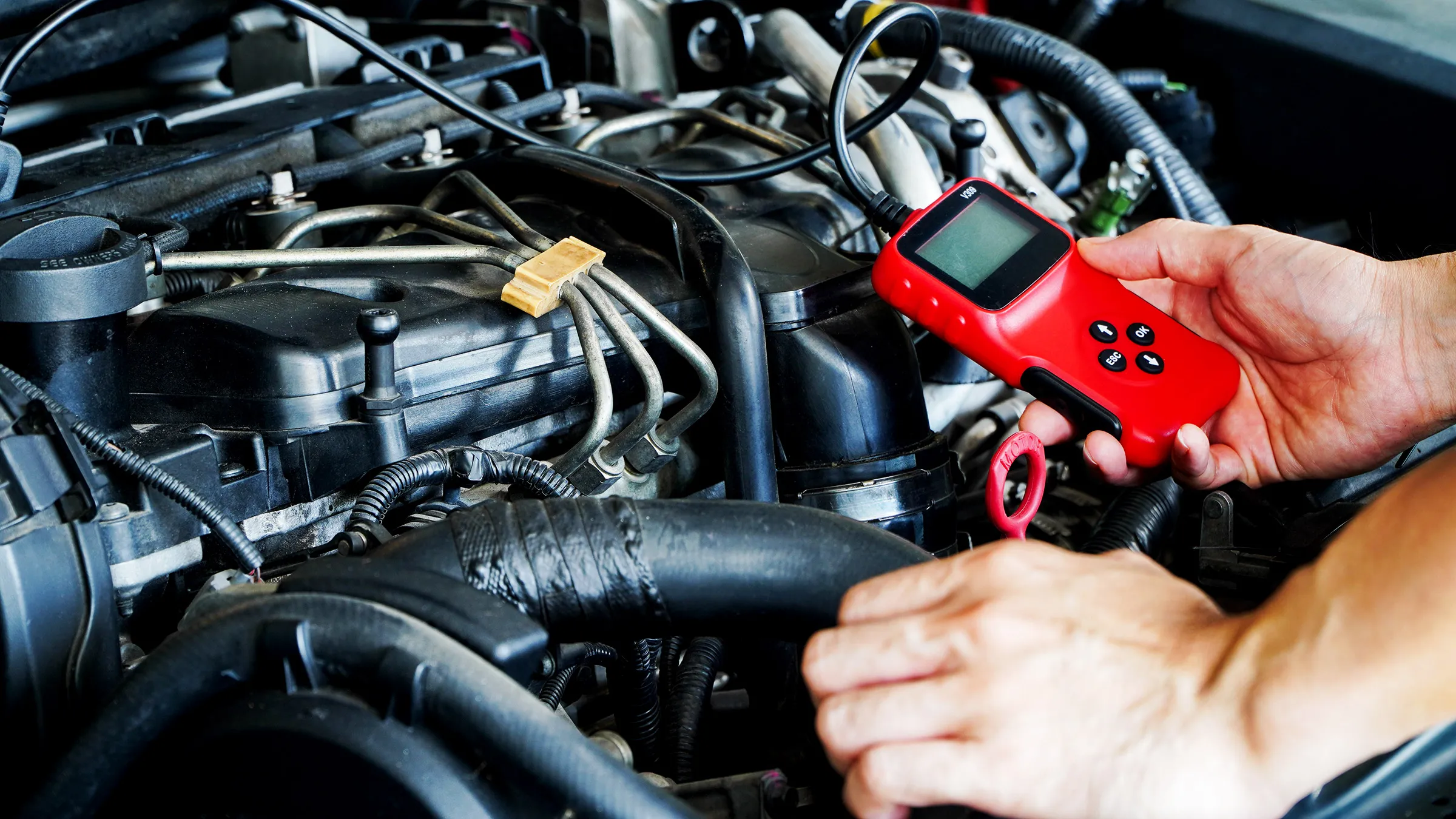
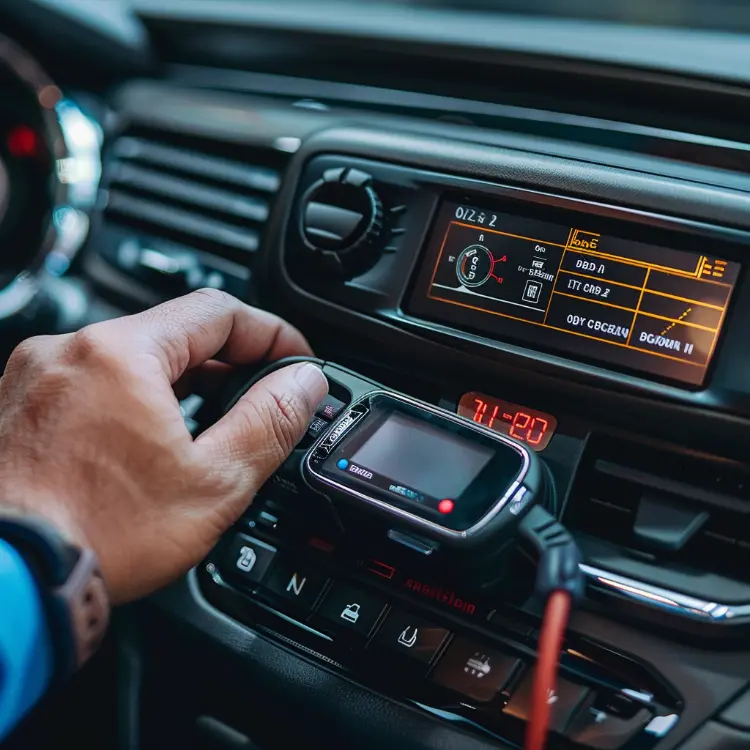
    Easy detection of DTC codes requires using a car code scanner that connects you to the car’s onboard diagnostics system. The process is straightforward:

    • Locate the OBD-II Port: In most vehicles, it is located below the dashboard to the right of the driver’s seat.
    • Plug in the Scanner: Ensure a secure connection.
    • Turn on the Ignition: The scanner comes on and starts examining the system.
    • Run a Scan: Get error codes and their meanings.
    • Interpret the Results: Consult the scanner’s internal database or download an accompanying application for more information.

    Modern car scanners, such as those at Car Care BD, provide the interface and instructions on how to use it for the common man as well.

    What Are Scanning Tools?

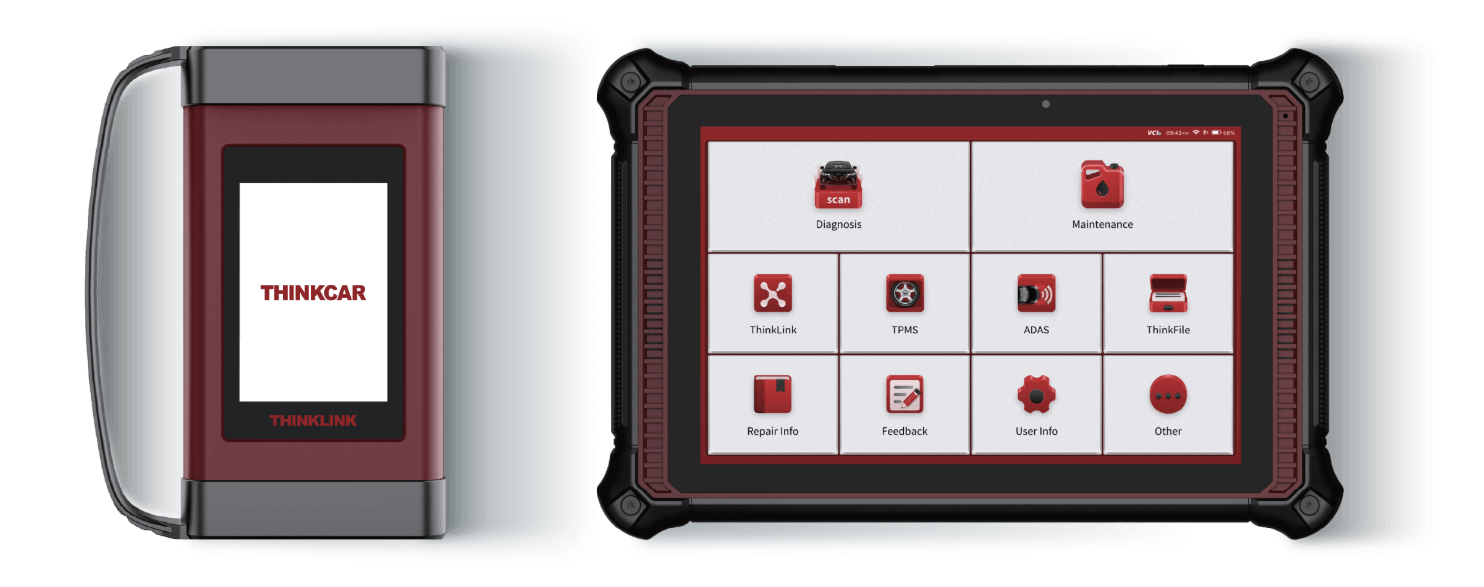
    Scanning Device for Car Thinktool Master 2
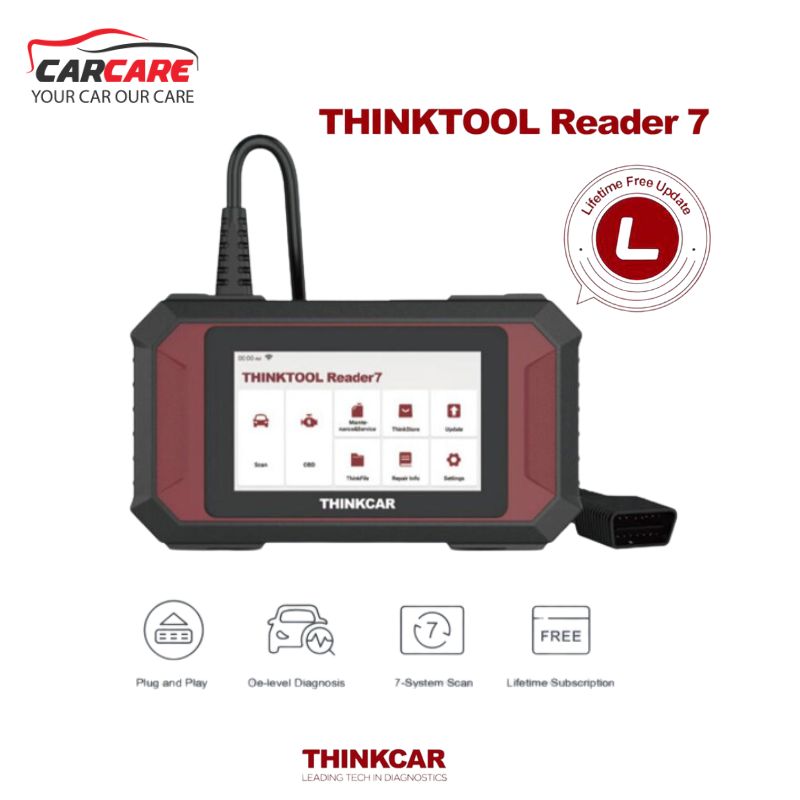
    Scanning Device for Car Thinktool Reader 7

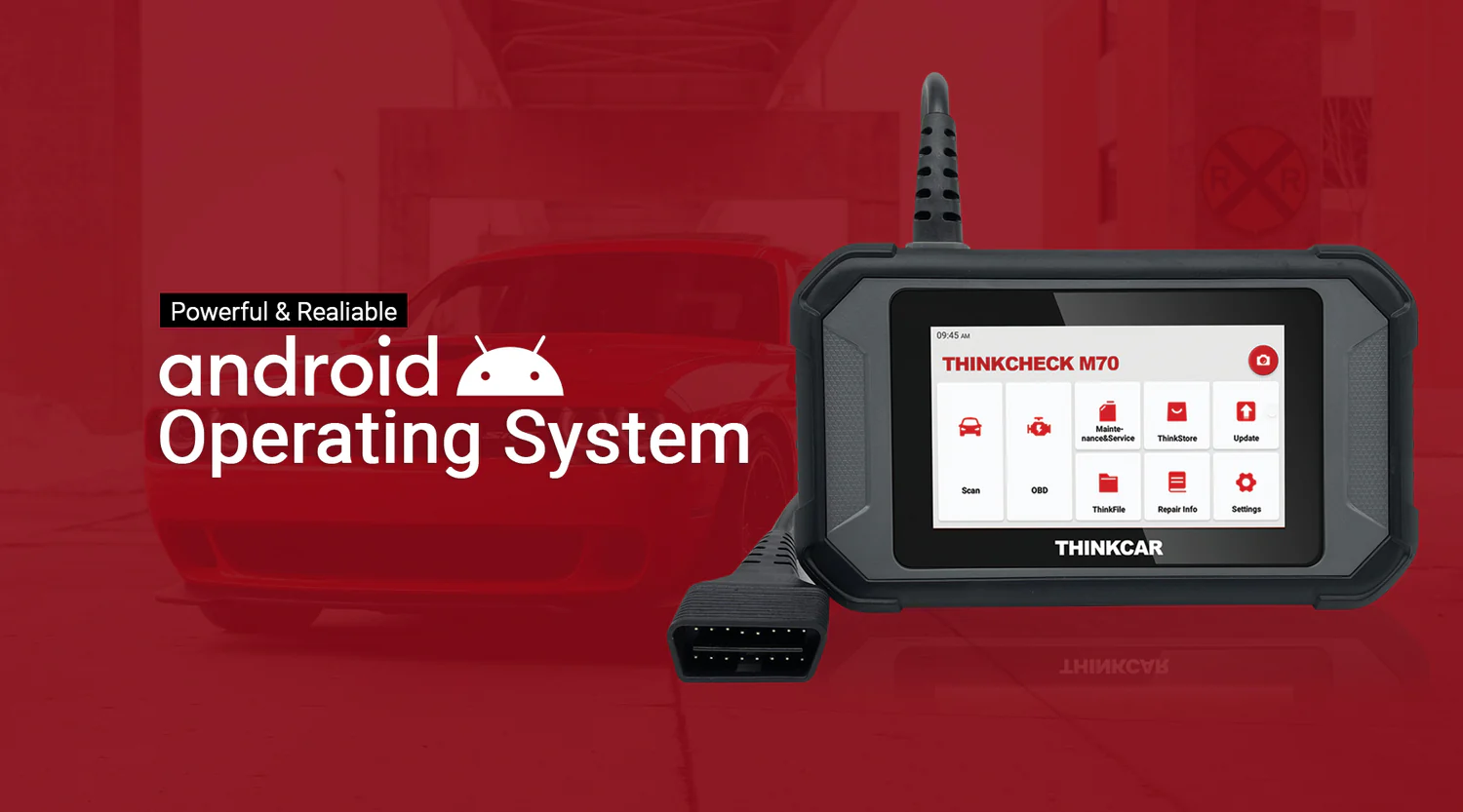
    Car scanning tools are gadgets developed to interface with a car’s Onboard Diagnostics mechanism. They are used to find problems, especially real-time data, and eliminate error codes. These tools encompass simple-to-use consumer-level scanners up to professional-level devices.

    Types of Car Scanners

    Basic OBD-II Scanners:

    Affordable and easy to use.

    Great for reading and finally clearing quite simple I/O error codes.

    Examples: Thinkcar Scanmate.

    Advanced Scanners:

    Add options for real-time data displays, control in both ways, ECU programming, and so on.

    Professional mechanics can only sort the various changes and categorize them correctly.

    Examples: COMPUTER THINK PVT Planning to sub, Thinktool Master 2, Thinktool Expert 399.

    Bluetooth/Wireless Scanners:

    Interface with Smartphones and tablets via Bluetooth or wireless connection.

    Include applications for remote control of the vehicle and firmware updates.

    Examples: Thinkdiag 2, Thinktool Reader Smartscan.

    How Do Scanning Tools Detect DTC Codes?

    Car scanners develop unique communication interfaces to connect with a vehicle’s ECU. Here’s how they work:

    • Connection: OBD-II interacts with the car’s onboard electronics through the OBD-II protocols, which include CAN, KWP2000, and ISO 9141.
    • Data Retrieval: Stored DTCs and currently collected sensor data output to the scanner during live data acquisition mode.
    • Code Interpretation: The scanner’s software or application deciphers what the codes mean to give a human-understandable description.

    Sophisticated scan tools can scan in both directions, enabling customers to check out particular parts or circuits, such as pulsing fuel injectors or pushing ABS boxes.

    How Can You Erase DTC Codes?

    Disabling DTC codes is as simple as clearing them by pressing the button, but it should not be done without first fixing the problem. On its own, clearing codes without addressing the problem can bring about worse scenarios. To erase codes:

    • Fix the Problem: Replace Kevlar or fix the problem.
    • Connect the Scanner: Access the DTC menu.
    • Choose between “Clear Codes” or “Reset”.
    • Verify the Fix: Take the vehicle for a drive in order to eliminate the code.

    Many of the scanners sold at Car Care BD, including the Thinktool Lite 2 model, come with this feature, which makes it easy to reprogram a car.

    Benefits of Car Code Scanners

    Car code scanners are not merely simple diagnosing equipment; they are a good investment for your car. Here’s why:

    Accurate Diagnostics: Be able to pick potential problems without the need for third guesses.

    Cost Efficiency: They also help to cut expenses on store diagnostic charges in repair shops.

    Time Savings: Identify issues on the spot, no lengthy inspections.

    Preventative Maintenance: Identify problems before disasters occur.

    Enhanced Performance: Improve functioning vehicle systems for increased fuel economy and reduced emission.

    DIY Repairs: Allow car owners to fix them up occasionally on their own since these are usually minor issues.

    vehicle-discuss_480x480

    Subscriptions & Updates

    Some of the most complex scanners need to be interfaced with new software as car manufacturers continue to develop new designs. The good news is that both Thinkcar Scanmate and Thinkdiag 2 have lifetime free update features, which means that you may never find yourself on the receiving end of the new feature or compatibility update.

    Car Scanner Available at Car Care BD.

    Car Care BD currently has a range of high-end car code scanners for car owners and professionals from automotive workshops. These scanners are designed to be used to diagnose problems quickly and effectively, to make car maintenance smoother than it has ever been. Below is a detailed overview of the top car code scanners available at Car Care BD:

    Thinktool Expert 399

    It is the second Thinktool Expert diagnostic tool, the most suitable for professional mechanics and car manufacturers’ workshops. It can offer ECU coding, system code, and bidirectional control and other enhanced features. This scanner is uniquely designed to detect multiple problems of various vehicle systems and as such it is crucial in facilitating complex repairs. It’s long lasting, has support for multiple languages which makes it ideal for use in hectic workshops.

    • Best For: Professional mechanics and workshops.
    • Features: Comprehensive system diagnostics, ECU coding, and advanced hardware.
    • Why Choose It: A powerful tool for in-depth diagnostics and complex repairs.
    Car Scanning Tools for Professionals Thinktool Expert 399
    Scanning Device for Car Thinktool Master 2
    Thinktool Master 2

    The Thinktool Master 2 is developed for multi-functionality and offers full diagnostic capabilities for all types of cars. It provides real time data update facility, master to slave control as well state of art hardware capabilities for its proper and speedy functioning. This is an efficient scanner for complex car working in different workshops as mechanics can easily diagnose an engine, transmission, ABS, and SRS problems. 

  • Best For: Workshops handling diverse vehicle types.
  • Features: Enhanced hardware, multi-language support, and bi-directional control.
  • Why Choose It: Ideal for professionals seeking versatility and performance.
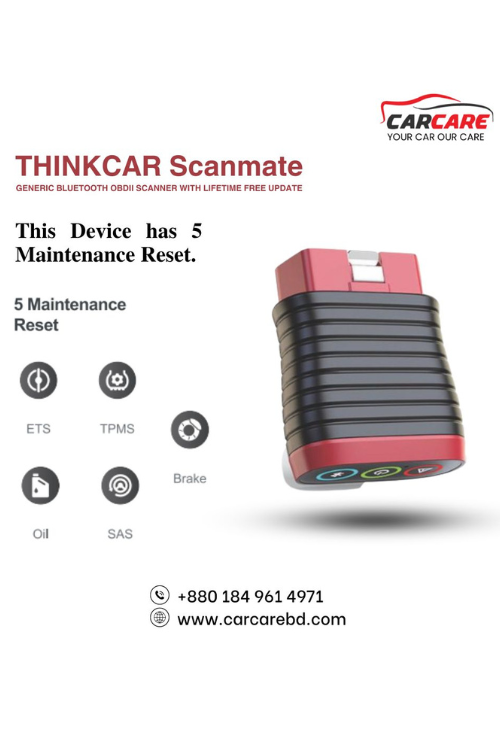
  • Thinkcar Scanmate

    The Thinkcar Scanmate scanner is a perfect scanner for starters because it is easy to use and not expensive. It also only offers simple functionality for basic error code reading and clearing and includes lifetime free updates so that the software always includes compatibility with newer car models. It is one of the best tools that can be used by car owners who want an efficient scanner for regular checks. 

    • Best For: Car owners wanting basic diagnostic capabilities.
    • Features: Bluetooth-enabled, lifetime free updates, and easy-to-use.
    • Why Choose It: Affordable and user-friendly.
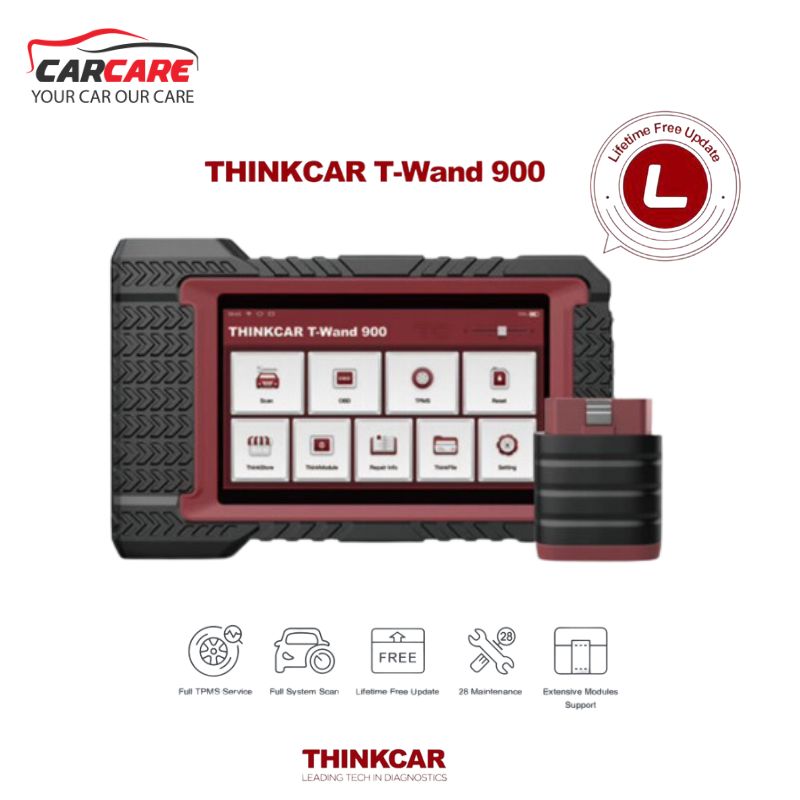
    Scanning Device for Car Thinkcar T-Wand 900
    Thinkcar T-Wand 900

    Designed exclusively for TPMS diagnosis, the Thinkcar T-Wand 900 enables users to reset sensors, check pressure levels, and program various TPMS parts. It is recommended for tire specialists or for anyone who wishes to get the best out of their tires and safety on the road.

    • Best For: TPMS (Tire Pressure Monitoring System) diagnostics.
    • Features: Sensor programming, resets, and advanced TPMS functions.
    • Why Choose It: Ideal for tire specialists and detailed diagnostics.
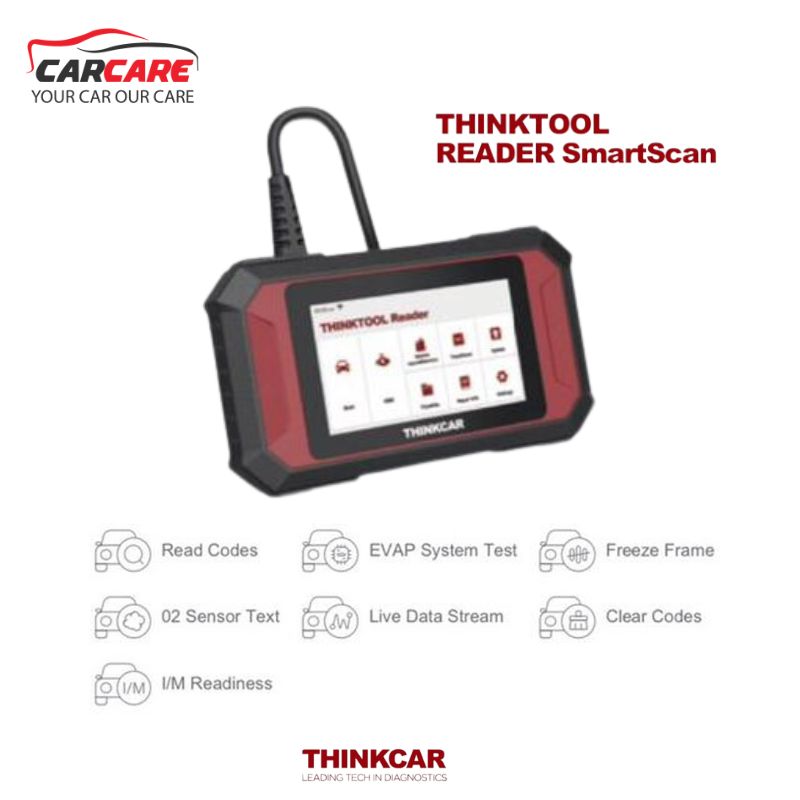
    Thinktool Reader Smartscan

    If portability and simplicity are the thing someone is searching for, the Thinktool Reader Smartscan is perfect. Connected wirelessly through Bluetooth, one can easily obtain the error codes and status data from the system. They are loved by DIY aficionados, as well as car owners in particular because they are relatively small and offer good functionality for simple diagnostics.

    • Best For: Quick and efficient scans.
    • Features: Wireless connectivity, compact design, and essential diagnostic features.
    • Why Choose It: Perfect for car owners and beginners.
    Scanning Device for Car Thinktool Reader Smartscan: A solution for South Asian Car users
    Scanning Device for Car Thinktool Reader 7
    Thinktool Reader 7

    Thinktool Reader 7 belongs to the average scanners, which provide a lot of opportunities at a moderate price. It is ideal for those with moderately good experience in auto repair and working mechanics who require an effective tool for reading and erasing DTCs, resetting the control systems, and observing live data streams. It is user-friendly because its icon and layout do not intimidate novice car-diagnostic software users.

    • Best For: Intermediate users and mechanics.
    • Features: Reads and clears DTCs, live data streaming, and system resets.
    • Why Choose It: A reliable mid-range option for everyday diagnostics.
    Thiktool Lite 2

    Packed with features but not heavy, Thinktool Lite 2 is designed for professional and amateur users. Thus, it is possible to receive full diagnostic results, monitor the car’s activity in real-time, and translate it into several foreign languages, which makes it very valuable when it comes to complex repairs.

    • Best For: Lightweight yet advanced diagnostic needs.
    • Features: Comprehensive scanning, live data monitoring, and multi-language support.
    • Why Choose It: A great all-around tool for professionals and enthusiasts.
    Car full diagnostic tool Thinktool Lite 2
    Car scanner Thinkcar Thinkdiag
    Thinkdiag 2

    The Thinkdiag 2 is an application-based multimedia diagnostics tool in a single handheld and constructional design package, which provides bi-directional control and real-time monitoring of the system. This is especially suitable for users who may require a very effective scanner on the move.

    • Best For: Portable advanced diagnostics.
    • Features: Supports multiple protocols, bi-directional control, and app-based functionality.
    • Why Choose It: Compact yet powerful.

    Car Care BD’s car code scanners are available with advanced technologies, user-friendly options, and professional built to satisfy the requirements of both ordinary and expert car service users.

    Features of Car Scanner at Car Care BD

    • Broad Compatibility: Works with most standard OBD-II compliant vehicles, including hybrid and electric vehicles.
    • Comprehensive Diagnostics: Helps cover the engine, ABS, SRS system, transmission, etc.
    • Real-Time Data: Some examples of live performance parameters that can be watched are RPM and coolant temperature.
    • Advanced Functions: Bi-directional control of vehicle and external devices, Electronic Control Unit programming, and coding.
    • User-Friendly Interfaces: Presentation and ease of use through brilliant icons on the surface of essential instruments and buttons.
    • Durability: Designed mainly to endure the harshest environments of a workshop.
    • Lifetime Updates: Get free updates and keep your scanner as future-proof as possible.

    If you own a car or an automobile, a car code scanner is one of the indispensables in your toolkit. Those scanners offer a resolution of issues, detection of problems. Thinkool Expert 399 and Thinkcar Scanmates at Car Care BD are exclusively available for your luxurious car scanner needs.


    Connect us with Social Media platforms: Facebook, Instagram, YouTube, Linkedin .
  • Code P0353 (Definition, Causes, Fixes)

    Code P0353 (Definition, Causes, Fixes)

    āϕ⧋āĻĄ P0353 āĻāϰ āĻŦā§āϝāĻžāĻ–ā§āϝāĻž: āχāĻ—āύāĻŋāĻļāύ āĻ•āϝāĻŧ⧇āϞ āϏāĻŋ āĻĒā§āϰāĻžāχāĻŽāĻžāϰāĻŋ/āϏ⧇āϕ⧇āĻ¨ā§āĻĄāĻžāϰāĻŋ āϏāĻžāĻ°ā§āĻ•āĻŋāϟ āĻ¤ā§āϰ⧁āϟāĻŋ

    āϕ⧋āĻĄ P0353 āύāĻŋāĻ°ā§āĻĻ⧇āĻļ āĻ•āϰ⧇ āϝ⧇ āχāĻžā§āϜāĻŋāύ⧇āϰ āχāĻ—āύāĻŋāĻļāύ āĻ•āϝāĻŧ⧇āϞ āϏāĻžāĻ°ā§āĻ•āĻŋāϟ “āϏāĻŋ”-āϤ⧇ āϏāĻŽāĻ¸ā§āϝāĻž āφāϛ⧇, āϝāĻž āχāĻžā§āϜāĻŋāύ⧇āϰ āĻ•āĻ°ā§āĻŽāĻ•ā§āώāĻŽāϤāĻžāϕ⧇ āĻĒā§āϰāĻ­āĻžāĻŦāĻŋāϤ āĻ•āϰ⧇āĨ¤ āφāϧ⧁āύāĻŋāĻ• āχāĻžā§āϜāĻŋāύ⧇ āĻĒā§āϰāϤāĻŋāϟāĻŋ āϏāĻŋāϞāĻŋāĻ¨ā§āĻĄāĻžāϰ⧇āϰ āϜāĻ¨ā§āϝ āφāϞāĻžāĻĻāĻž āχāĻ—āύāĻŋāĻļāύ āĻ•āϝāĻŧ⧇āϞ āĻĨāĻžāϕ⧇āĨ¤ āϝāĻĻāĻŋ āχāĻžā§āϜāĻŋāύ āĻ•āĻ¨ā§āĻŸā§āϰ⧋āϞ āĻŽāĻĄāĻŋāωāϞ (ECM) “āϏāĻŋ” āĻ•āϝāĻŧ⧇āϞ⧇āϰ āĻĒā§āϰāĻžāχāĻŽāĻžāϰāĻŋ āĻŦāĻž āϏ⧇āϕ⧇āĻ¨ā§āĻĄāĻžāϰāĻŋ āϏāĻžāĻ°ā§āĻ•āĻŋāĻŸā§‡ āĻ¤ā§āϰ⧁āϟāĻŋ āϏāύāĻžāĻ•ā§āϤ āĻ•āϰ⧇, āϤāĻ–āύ āĻāχ āϕ⧋āĻĄāϟāĻŋ āĻŸā§āϰāĻŋāĻ—āĻžāϰ āĻšāϝāĻŧāĨ¤

    āϕ⧋āĻĄ P0353 āĻāϰ āĻ•āĻžāϰāĻŖāϏāĻŽā§‚āĻš

    āĻāχ āϕ⧋āĻĄāϟāĻŋāϰ āĻŸā§āϰāĻŋāĻ—āĻžāϰ āĻšāĻŦāĻžāϰ āĻŦ⧇āĻļ āĻ•āϝāĻŧ⧇āĻ•āϟāĻŋ āϏāĻŽā§āĻ­āĻžāĻŦā§āϝ āĻ•āĻžāϰāĻŖ āφāϛ⧇āĨ¤ āĻŽā§‚āϞ āĻ•āĻžāϰāĻŖāϟāĻŋ āύāĻŋāĻ°ā§āϧāĻžāϰāĻŖ āĻ•āϰāϤ⧇ āĻĒāĻžāϰāϞ⧇ āϏāĻ āĻŋāĻ•āĻ­āĻžāĻŦ⧇ āϏāĻŽāĻžāϧāĻžāύ āĻ•āϰāĻž āϏāĻŽā§āĻ­āĻŦ āĻšāϝāĻŧāĨ¤ āϏāĻžāϧāĻžāϰāĻŖ āĻ•āĻžāϰāĻŖāϗ⧁āϞ⧋ āĻšāϞ:

    1. āĻ¤ā§āϰ⧁āϟāĻŋāĻĒā§‚āĻ°ā§āĻŖ āχāĻ—āύāĻŋāĻļāύ āĻ•āϝāĻŧ⧇āϞ: āχāĻ—āύāĻŋāĻļāύ āĻ•āϝāĻŧ⧇āϞ āĻ¤ā§āϰ⧁āϟāĻŋāĻĒā§‚āĻ°ā§āĻŖ āĻšāϞ⧇ āϕ⧋āĻĄ P0353 āϏ⧃āĻˇā§āϟāĻŋ āĻšāϤ⧇ āĻĒāĻžāϰ⧇āĨ¤ āĻĻā§€āĻ°ā§āϘāĻĻāĻŋāύ āĻŦā§āϝāĻŦāĻšāĻžāϰ⧇āϰ āĻĢāϞ⧇ āϤāĻžāĻĒ āĻ“ āχāϞ⧇āĻ•āĻŸā§āϰāĻŋāĻ•ā§āϝāĻžāϞ āĻ¸ā§āĻŸā§āϰ⧇āϏ⧇āϰ āĻ•āĻžāϰāϪ⧇ āĻ•āϝāĻŧ⧇āϞ āĻ•ā§āώāϤāĻŋāĻ—ā§āϰāĻ¸ā§āϤ āĻšāϤ⧇ āĻĒāĻžāϰ⧇āĨ¤
    2. āĻ“āϝāĻŧā§āϝāĻžāϰāĻŋāĻ‚ āϏāĻŽāĻ¸ā§āϝāĻžāϏāĻŽā§‚āĻš: ECM āĻ“ āχāĻ—āύāĻŋāĻļāύ āĻ•āϝāĻŧ⧇āϞ⧇āϰ āĻŽāĻ§ā§āϝ⧇ āĻ“āϝāĻŧā§āϝāĻžāϰāĻŋāĻ‚ āĻ“ āϏāĻ‚āϝ⧋āĻ— āϝāĻĻāĻŋ āĻ•ā§āώāϤāĻŋāĻ—ā§āϰāĻ¸ā§āϤ āĻŦāĻž āĻŽāϰāĻŋāϚāĻž āĻĒāĻĄāĻŧ⧇ āϝāĻžāϝāĻŧ, āϤāĻŦ⧇ āϏāĻžāĻ°ā§āĻ•āĻŋāĻŸā§‡ āĻ…āύāĻŋāϝāĻŧāĻŽāĻŋāϤ āĻ­ā§‹āĻ˛ā§āĻŸā§‡āϜ āĻĻ⧇āĻ–āĻž āĻĻāĻŋāϤ⧇ āĻĒāĻžāϰ⧇ āĻāĻŦāĻ‚ āϕ⧋āĻĄāϟāĻŋ āĻŸā§āϰāĻŋāĻ—āĻžāϰ āĻšāϤ⧇ āĻĒāĻžāϰ⧇āĨ¤
    3. āĻ¤ā§āϰ⧁āϟāĻŋāĻĒā§‚āĻ°ā§āĻŖ āĻ¸ā§āĻĒāĻžāĻ°ā§āĻ• āĻĒā§āϞāĻžāĻ— āĻŦāĻž āĻ“āϝāĻŧā§āϝāĻžāϰ: āĻĒ⧁āϰāύ⧋ āĻŦāĻž āĻ•ā§āώāϤāĻŋāĻ—ā§āϰāĻ¸ā§āϤ āĻ¸ā§āĻĒāĻžāĻ°ā§āĻ• āĻĒā§āϞāĻžāĻ— āĻ“ āĻ“āϝāĻŧā§āϝāĻžāϰāϗ⧁āϞ⧋ āχāĻ—āύāĻŋāĻļāύ āĻ•āϝāĻŧ⧇āϞāϕ⧇ āϏāĻ āĻŋāĻ•āĻ­āĻžāĻŦ⧇ āĻ•āĻžāϜ āĻ•āϰāϤ⧇ āĻŦāĻžāϧāĻž āĻĻ⧇āϝāĻŧ āĻāĻŦāĻ‚ āϏāĻžāĻ°ā§āĻ•āĻŋāĻŸā§‡ āĻ¤ā§āϰ⧁āϟāĻŋ āϏ⧃āĻˇā§āϟāĻŋ āĻ•āϰ⧇āĨ¤
    4. āĻ¤ā§āϰ⧁āϟāĻŋāĻĒā§‚āĻ°ā§āĻŖ ECM āĻŦāĻž PCM: āĻ•āĻŋāϛ⧁ āĻ•āĻŋāϛ⧁ āĻ•ā§āώ⧇āĻ¤ā§āϰ⧇ āχāĻžā§āϜāĻŋāύ āĻ•āĻ¨ā§āĻŸā§āϰ⧋āϞ āĻŽāĻĄāĻŋāωāϞ (ECM) āĻŦāĻž āĻĒāĻžāĻ“āϝāĻŧāĻžāϰāĻŸā§āϰ⧇āχāύ āĻ•āĻ¨ā§āĻŸā§āϰ⧋āϞ āĻŽāĻĄāĻŋāωāϞ (PCM) āĻ¤ā§āϰ⧁āϟāĻŋāĻĒā§‚āĻ°ā§āĻŖ āĻšāϤ⧇ āĻĒāĻžāϰ⧇, āϝāĻž āϭ⧁āϞ āϏāĻ‚āϕ⧇āϤ āĻĒāĻžāĻ āĻŋāϝāĻŧ⧇ āϕ⧋āĻĄāϟāĻŋ āĻŸā§āϰāĻŋāĻ—āĻžāϰ āĻ•āϰāϤ⧇ āĻĒāĻžāϰ⧇āĨ¤
    5. āĻ—ā§āϰāĻžāωāĻ¨ā§āĻĄ āϏāĻ‚āϝ⧋āϗ⧇āϰ āϏāĻŽāĻ¸ā§āϝāĻž: āχāĻ—āύāĻŋāĻļāύ āĻ•āϝāĻŧ⧇āϞ⧇āϰ āϏāĻžāĻĨ⧇ āĻ—ā§āϰāĻžāωāĻ¨ā§āĻĄ āϏāĻ‚āϝ⧋āϗ⧇āϰ āϏāĻŽāĻ¸ā§āϝāĻž āĻĨāĻžāĻ•āϞ⧇ āϏāĻžāĻ°ā§āĻ•āĻŋāĻŸā§‡āϰ āĻ•āĻžāĻ°ā§āϝāĻ•āĻžāϰāĻŋāϤāĻž āĻŦāĻŋāĻ˜ā§āύāĻŋāϤ āĻšāϝāĻŧ āĻāĻŦāĻ‚ āĻ¤ā§āϰ⧁āϟāĻŋ āĻĻ⧇āĻ–āĻž āĻĻāĻŋāϤ⧇ āĻĒāĻžāϰ⧇āĨ¤

    āϕ⧋āĻĄ P0353 āĻāϰ āϞāĻ•ā§āώāĻŖāϏāĻŽā§‚āĻš :

    āϕ⧋āĻĄ P0353 āϏāĻ•ā§āϰāĻŋāϝāĻŧ āĻĨāĻžāĻ•āϞ⧇ āĻŦāĻŋāĻ­āĻŋāĻ¨ā§āύ āϞāĻ•ā§āώāĻŖ āĻĻ⧇āĻ–āĻž āĻĻāĻŋāϤ⧇ āĻĒāĻžāϰ⧇, āϝ⧇āĻŽāύ:

    1. āϰāĻžāĻĢ āφāχāĻĄāϞ: āχāĻžā§āϜāĻŋāύ⧇ āĻ…āύāĻŋāϝāĻŧāĻŽāĻŋāϤāĻ­āĻžāĻŦ⧇ āĻ•āĻŽā§āĻĒāύ āĻšāϤ⧇ āĻĒāĻžāϰ⧇āĨ¤
    2. āĻ•ā§āώāĻŽāϤāĻž āĻšā§āϰāĻžāϏ: āĻŦāĻŋāĻļ⧇āώ āĻ•āϰ⧇ āĻ¤ā§āĻŦāϰāϪ⧇ āχāĻžā§āϜāĻŋāύ āĻ•āĻ°ā§āĻŽāĻ•ā§āώāĻŽāϤāĻž āĻĻ⧁āĻ°ā§āĻŦāϞ āĻšāϤ⧇ āĻĒāĻžāϰ⧇āĨ¤
    3. āĻšā§‡āĻ• āχāĻžā§āϜāĻŋāύ āϞāĻžāχāϟ: āĻ—āĻžāĻĄāĻŧāĻŋāϰ āĻĄā§āϝāĻžāĻļāĻŦā§‹āĻ°ā§āĻĄā§‡ āĻšā§‡āĻ• āχāĻžā§āϜāĻŋāύ āϞāĻžāχāϟ āĻœā§āĻŦāϞ⧇ āωāĻ āĻŦ⧇āĨ¤
    4. āĻœā§āĻŦāĻžāϞāĻžāύāĻŋāϰ āĻ•āĻŽ āĻ•āĻžāĻ°ā§āϝāĻ•āĻžāϰāĻŋāϤāĻž: āĻŽāĻŋāϏāĻĢāĻžāϝāĻŧāĻžāϰ āĻšāϞ⧇ āĻœā§āĻŦāĻžāϞāĻžāύāĻŋ āĻŦ⧇āĻļāĻŋ āĻ–āϰāϚ āĻšāϝāĻŧāĨ¤

    āϕ⧋āĻĄ P0353 āϏāĻŽāĻžāϧāĻžāύ⧇āϰ āĻĒāĻĻā§āϧāϤāĻŋ

    āϕ⧋āĻĄ P0353 āĻāϰ āύāĻŋāĻ°ā§āĻĻāĻŋāĻˇā§āϟ āĻ•āĻžāϰāĻŖāϟāĻŋ āϏāĻ āĻŋāĻ•āĻ­āĻžāĻŦ⧇ āύāĻŋāĻ°ā§āϧāĻžāϰāĻŖ āĻ•āϰ⧇ āϏāĻŽāĻ¸ā§āϝāĻžāϰ āϏāĻ āĻŋāĻ• āϏāĻŽāĻžāϧāĻžāύ āĻ•āϰāĻž āϏāĻŽā§āĻ­āĻŦāĨ¤ āύāĻŋāĻšā§‡āϰ āϏāĻŽāĻžāϧāĻžāύāϗ⧁āϞ⧋ āĻĻā§‡ā§ŸāĻž āĻšāϞ:

    1. āχāĻ—āύāĻŋāĻļāύ āĻ•āϝāĻŧ⧇āϞ āĻĒāϰ⧀āĻ•ā§āώāĻž āĻ•āϰ⧁āύ: āĻĒā§āϰāĻĨāĻŽā§‡ “āϏāĻŋ” āχāĻ—āύāĻŋāĻļāύ āĻ•āϝāĻŧ⧇āϞāϟāĻŋ āĻĒāϰ⧀āĻ•ā§āώāĻž āĻ•āϰ⧁āύāĨ¤ āĻ•ā§āώāϤāĻŋ, āĻĢāĻžāϟāϞ āĻŦāĻž āĻ•āĻžāĻ°ā§āĻŦāύ āĻŸā§āĻ°ā§āϝāĻžāĻ•āĻŋāĻ‚āϝāĻŧ⧇āϰ āϞāĻ•ā§āώāĻŖ āĻĻ⧇āϖ⧁āύāĨ¤ āĻ¤ā§āϰ⧁āϟāĻŋāĻĒā§‚āĻ°ā§āĻŖ āĻšāϞ⧇ āχāĻ—āύāĻŋāĻļāύ āĻ•āϝāĻŧ⧇āϞāϟāĻŋ āĻĒā§āϰāϤāĻŋāĻ¸ā§āĻĨāĻžāĻĒāύ āĻ•āϰ⧁āύāĨ¤
    2. āĻ“āϝāĻŧā§āϝāĻžāϰāĻŋāĻ‚ āĻ“ āϏāĻ‚āϝ⧋āĻ— āĻĒāϰ⧀āĻ•ā§āώāĻž āĻ•āϰ⧁āύ: ECM āĻ“ āχāĻ—āύāĻŋāĻļāύ āĻ•āϝāĻŧ⧇āϞ⧇āϰ āĻŽāĻ§ā§āϝ⧇ āĻ“āϝāĻŧā§āϝāĻžāϰāĻŋāĻ‚ āĻ“ āϏāĻ‚āϝ⧋āĻ— āĻĒāϰ⧀āĻ•ā§āώāĻž āĻ•āϰ⧁āύāĨ¤ āĻ•ā§āώāϤāĻŋāĻ—ā§āϰāĻ¸ā§āϤ āĻŦāĻž āĻŽāϰāĻŋāϚāĻž āĻĒāĻĄāĻŧāĻž āĻ…āĻ‚āĻļ āĻŽā§‡āϰāĻžāĻŽāϤ āĻŦāĻž āĻĒā§āϰāϤāĻŋāĻ¸ā§āĻĨāĻžāĻĒāύ āĻ•āϰ⧁āύāĨ¤
    3. āĻ¸ā§āĻĒāĻžāĻ°ā§āĻ• āĻĒā§āϞāĻžāĻ— āĻ“ āĻ“āϝāĻŧā§āϝāĻžāϰ āĻĒā§āϰāϤāĻŋāĻ¸ā§āĻĨāĻžāĻĒāύ āĻ•āϰ⧁āύ: āϝāĻĻāĻŋ āĻ¸ā§āĻĒāĻžāĻ°ā§āĻ• āĻĒā§āϞāĻžāĻ— āĻŦāĻž āĻ“āϝāĻŧā§āϝāĻžāϰ āĻ•ā§āώāϤāĻŋāĻ—ā§āϰāĻ¸ā§āϤ āĻšāϝāĻŧ āϤāĻŦ⧇ āϏ⧇āϗ⧁āϞ⧋ āĻĒā§āϰāϤāĻŋāĻ¸ā§āĻĨāĻžāĻĒāύ āĻ•āϰ⧁āύ, āϝāĻž āĻ­āĻŦāĻŋāĻˇā§āϝāϤ⧇ āχāĻ—āύāĻŋāĻļāύ āϏāĻŽāĻ¸ā§āϝāĻžāϗ⧁āϞ⧋ āĻĒā§āϰāϤāĻŋāϰ⧋āϧ⧇ āϏāĻšāĻžāϝāĻŧāĻ•āĨ¤
    4. ECM/PCM āĻĒāϰ⧀āĻ•ā§āώāĻž āĻ•āϰ⧁āύ: āϏāĻŦāĻ•āĻŋāϛ⧁ āĻ āĻŋāĻ• āĻĨāĻžāĻ•āϞ⧇āĻ“ āϏāĻŽāĻ¸ā§āϝāĻž āĻĨ⧇āϕ⧇ āϗ⧇āϞ⧇ ECM āĻŦāĻž PCM āĻĒāϰ⧀āĻ•ā§āώāĻž āĻ•āϰ⧁āύāĨ¤ āĻ¤ā§āϰ⧁āϟāĻŋāĻĒā§‚āĻ°ā§āĻŖ āĻšāϞ⧇ āĻĒ⧇āĻļāĻžāĻĻāĻžāϰāĻĻ⧇āϰ āĻĻā§āĻŦāĻžāϰāĻž āĻĒā§āϰāϤāĻŋāĻ¸ā§āĻĨāĻžāĻĒāύ āĻ•āϰāĻžāύ⧋ āωāϚāĻŋāϤāĨ¤
    5. āϕ⧋āĻĄ āĻ•ā§āϞāĻŋāϝāĻŧāĻžāϰ āĻ•āϰ⧁āύ āĻ“ āĻŸā§‡āĻ¸ā§āϟ āĻĄā§āϰāĻžāχāĻ­ āĻĻāĻŋāύ: āĻŽā§‡āϰāĻžāĻŽāϤ⧇āϰ āĻĒāϰ⧇ OBD-II āĻ¸ā§āĻ•ā§āϝāĻžāύāĻžāϰ āĻĻāĻŋāϝāĻŧ⧇ āϕ⧋āĻĄ āĻ•ā§āϞāĻŋāϝāĻŧāĻžāϰ āĻ•āϰ⧇ āĻāĻ•āϟāĻŋ āĻŸā§‡āĻ¸ā§āϟ āĻĄā§āϰāĻžāχāĻ­ āĻĻāĻŋāύ, āϝāĻžāϤ⧇ āύāĻŋāĻļā§āϚāĻŋāϤ āĻšāϤ⧇ āĻĒāĻžāϰ⧇āύ āϏāĻŽāĻ¸ā§āϝāĻžāϟāĻŋ āϏāĻŽāĻžāϧāĻžāύ āĻšāϝāĻŧ⧇āϛ⧇āĨ¤

    āĻšā§‚āĻĄāĻŧāĻžāĻ¨ā§āϤ āĻ­āĻžāĻŦāύāĻž

    āĻ…āϧāĻŋāĻ•āĻžāĻ‚āĻļ āĻ•ā§āώ⧇āĻ¤ā§āϰ⧇ āχāĻ—āύāĻŋāĻļāύ āĻ•āϝāĻŧ⧇āϞ āĻŦāĻž āĻ“āϝāĻŧā§āϝāĻžāϰāĻŋāĻ‚ āϏāĻŽāĻ¸ā§āϝāĻžāϰ āĻ•āĻžāϰāϪ⧇ āϕ⧋āĻĄ P0353 āĻĒā§āϰāĻĻāĻ°ā§āĻļāĻŋāϤ āĻšāϝāĻŧ, āϝāĻž āχāĻžā§āϜāĻŋāύ āĻ•āĻ°ā§āĻŽāĻ•ā§āώāĻŽāϤāĻž āĻ“ āĻœā§āĻŦāĻžāϞāĻžāύāĻŋ āĻ•āĻžāĻ°ā§āϝāĻ•āĻžāϰāĻŋāϤāĻžāϕ⧇ āĻĒā§āϰāĻ­āĻžāĻŦāĻŋāϤ āĻ•āϰāϤ⧇ āĻĒāĻžāϰ⧇āĨ¤ āχāĻ—āύāĻŋāĻļāύ āωāĻĒāĻžāĻĻāĻžāύāϗ⧁āϞāĻŋāϰ āύāĻŋāϝāĻŧāĻŽāĻŋāϤ āϰāĻ•ā§āώāĻŖāĻžāĻŦ⧇āĻ•ā§āώāĻŖ āĻāĻŦāĻ‚ āĻĻā§āϰ⧁āϤ āϏāĻŽāĻ¸ā§āϝāĻžāϰ āύāĻŋāĻ°ā§āĻŖāϝāĻŧ āĻāχ āϕ⧋āĻĄ āĻĒ⧁āύāϰāĻžāϝāĻŧ āĻĻ⧇āĻ–āĻž āĻĻ⧇āϝāĻŧāĻž āĻĒā§āϰāϤāĻŋāϰ⧋āϧ āĻ•āϰāϤ⧇ āϏāĻšāĻžāϝāĻŧāĻ• āĻšāĻŦ⧇āĨ¤

  • Best Hybrid Engine in 2024

    Best Hybrid Engine in 2024

    Best Hybrid Engine in 2024

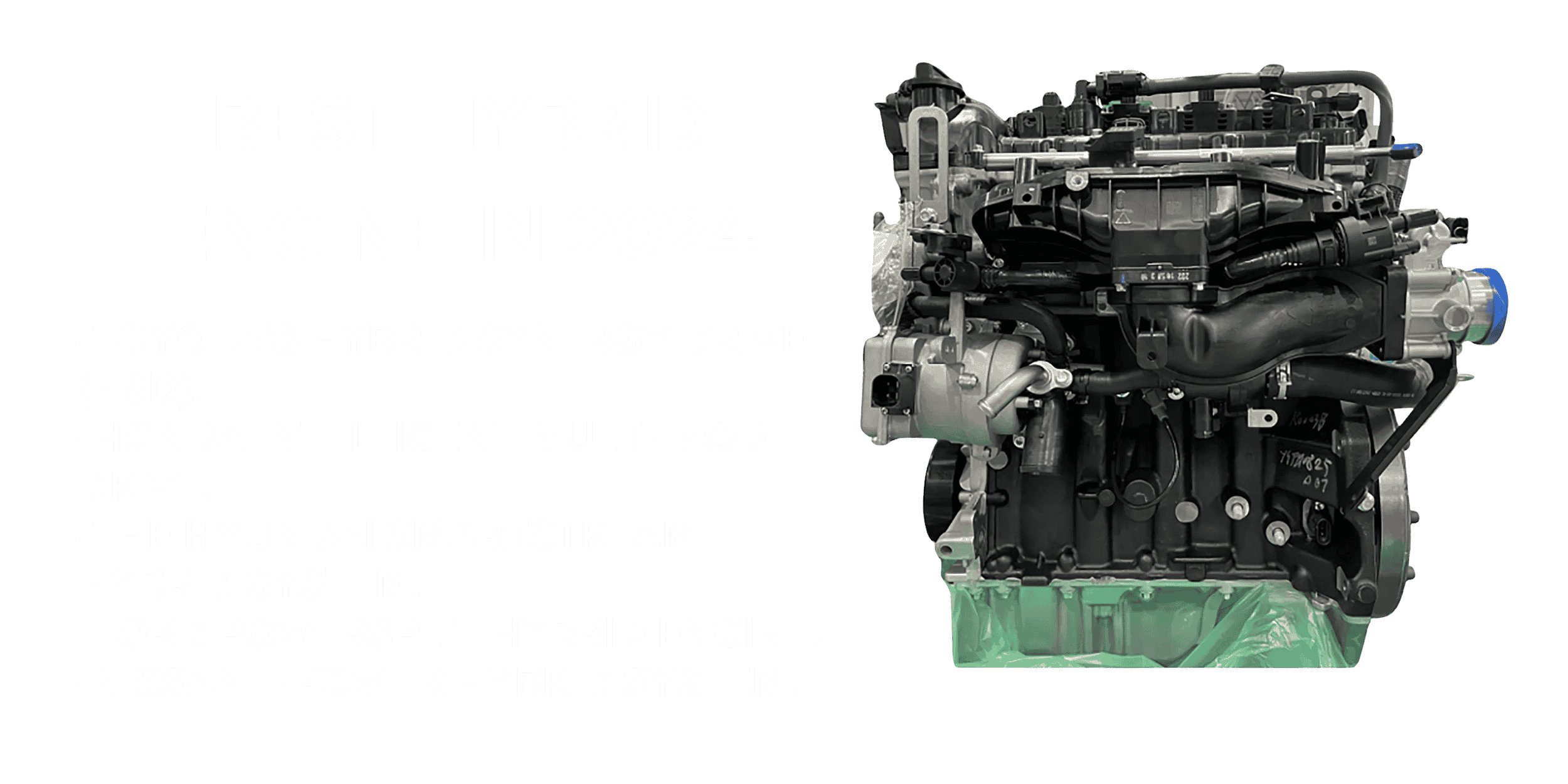
    The market for hybrid cars remains high as drivers travel long distances looking for ways of saving fuel in place of regular gas-driven vehicles. Of the many innovations that have occurred with hybrid engines, those in 2024 have taken vehicle performance, fuel efficiency, and environmental preservation to new heights. In this article, we focus on the best hybrid engines of 2024, their advancements, advantages, and respective vehicles.

    1. Toyota’s Hybrid Synergy Drive (HSD)

    Toyota has historically led in the hybrid technology sector, and its Hybrid Synergy Drive (HSD) remains a top competitor in 2024. This engine system seamlessly integrates an electrical motor with a gasoline engine, as present in the Toyota Prius and Toyota Corolla Hybrid, successfully improving fuel efficiency and also decreasing emissions.

    Key Features of Toyota’s Hybrid Synergy Drive (HSD):

    Fuel Economy: With fuel usage reaching only 4.5 liters per 100 kilometers, Toyota’s HSD is still the top efficient choice.

    Regenerative Braking: Collects energy during braking to replenish the battery, lengthening drive time.

    Eco Mode: Gets across a calm, noiseless ride and has the potential to save fuel when in the city.

    Why It’s a Top Pick: Combining Toyota’s trustworthiness and the ongoing evolution of the HSD system positions it as a leading player in hybrid engine performance. In 2024, Toyota will optimize this system by improving its battery technology and adding more performance capabilities.

    2. Honda Intelligent Multi-Mode Drive

    Honda’s Intelligent Multi-Mode Drive (i-MMD) hybrid system makes driving the Honda Accord Hybrid and the Honda CR-V Hybrid possible. Standing out in its sector is the capability of Honda’s hybrid engine to transition among three drive modes—EV Drive, Hybrid Drive, and Engine Drive—depending on the driving conditions without the driver needing to interfere.

    Honda Intelligent Multi-Mode Drive Contains:

    Three Drive Modes: The system automatically transitions between electric-only, hybrid, and gasoline modes for the best performance.

    Power and Performance: The i-MMD differs from other hybrid engines that compromise performance by giving remarkable acceleration and seamless power delivery.

    Efficiency: The Accord Hybrid achieves a combined city and highway fuel economy of up to 48 miles per gallon.

    Why It’s a Top Pick: Honda’s i-MMD is chosen by drivers who seek to balance power and reduce their environmental impact. It delivers fuel efficiency and seamless and responsive performance.

    3. The Hyundai Smartstream Hybrid System

    Hyundai’s Smartstream Hybrid technology, seen in the Hyundai Sonata Hybrid and Hyundai Tucson Hybrid, introduces a well-balanced approach to energy efficiency and performance for the 2024 car line. The battery’s connection with the engine results in an extended electric driving range and enhanced fuel efficiency.

    Best  The Hyundai Smartstream Hybrid System:

    Solar Roof Panel: The Sonata Hybrid has a unique design component, the solar roof, which helps replenish the battery and increases the car’s electric range by 1,000 miles in one year.

    Fuel Economy: Hyundai’s hybrid system offers highway mileage of up to 52 miles per gallon, which is very competitive.

    Smartstream Powertrain: Provides a seamless driving feel with efficient alternation between electric and fossil fuel power.

    Why It’s a Top Pick: Hyundai has equipped its hybrid engines with sophisticated technology, such as solar charging and efficient power delivery, putting the Smartstream system at the forefront in 2024.

    4. Ford PowerSplit Hybrid Engine

    Ford’s PowerSplit Hybrid technology drives the widely used Ford Escape Hybrid and Ford Maverick Hybrid. This system integrates a gasoline engine with two electric motors, permitting the vehicle to operate on electric power alone, gasoline power only, or a combination of the two.

    Benefits of Powersplit Hybrid Engine:

    Electric-Only Mode: This mode allows you to operate fully electric for limited periods at slower speeds, which is perfect for city commutes.

    Regenerative Braking: Restores energy to recharge the battery, enhancing system efficiency.

    Towing Capability: Unlike most hybrids, Ford’s system enables light towing, which makes it convenient for families and adventurers.

    Why It’s a Top Pick: Ford’s PowerSplit system allows hybrid users to select a versatile option that increases capability in various driving scenarios, whether for commuting or light-duty tasks. The perfectly balanced power, fuel efficiency, and utility characteristics will make it a notable choice in 2024.

    5. Nissan e-Power Hybrid System

    The current Nissan Juke Hybrid, the Nissan X-Trail Hybrid, and Nissan’s new Note e-Power represent a different approach than a regular hybrid. The gasoline engine’s role is predominantly as a charging unit that recharges the battery, propelling the electric motor, which directly powers the wheels in one way or another.

    Advantages of e-power hybrid system:

    Electric-Only Driving Experience: The car has a gasoline engine, but much of the information is as close as possible to a 100% electric car, with features such as very smooth acceleration and practically silent overall operation.

    Efficient Power Delivery: The e-Power system delivers a sharp torque for immediate acceleration thanks to the electric motor installed on the wheels.

    Lower Emissions: Nissan uses the gasoline engine solely to charge the battery, thus obtaining low emission levels compared to traditional engines due to the application of the e-Power system.

    Why It’s a Top Pick: Nissan’s approach to hybrid engines is interesting. It somewhat sits between hybrids and electric vehicles, giving the consumer the best of both worlds: power and low emissions.

    Buy Your Engine

    The selected hybrid engines for 2024 demonstrate how far hybrid drives have developed to reach optimally optimized fuel economy, ecological friendliness, and power output. Whereas the former’s Hybrid Synergy Drive guarantees reliability, the latter’s e-Power system is pioneering a new way of attaining environmental friendliness without compromising power.


    While hybrid technology has yet to mature, innovations that are clear in 2024 indicate a more sustainable automotive future. The following engine systems are some of the best hybrid vehicle options regarding durability, fuel consumption, and advanced technology.


    To learn more about hybrid engines and other spare parts, please visit our official site, www.carcarebd.com, where you can find all the different types of spare parts for different hybrid car models.

    Connect us with social media platforms like Facebook, Instagram, YouTube, and Linkedin.

  • āĻāĻ•āϟāĻŋ V8 āχāĻžā§āϜāĻŋāύ⧇ āĻ•āϤāϗ⧁āϞāĻŋ āĻ¸ā§āĻĒāĻžāĻ°ā§āĻ• āĻĒā§āϞāĻžāĻ— āφāϛ⧇?

    āĻāχ āύāĻŋāĻŦāĻ¨ā§āϧāϟāĻŋāĻ¤ā§‡Â  āϰāϝāĻŧ⧇āϛ⧇:

     āĻāĻ•āϟāĻŋ V8 āχāĻžā§āϜāĻŋāύ⧇ āĻ•āϤāϗ⧁āϞāĻŋ āĻ¸ā§āĻĒāĻžāĻ°ā§āĻ• āĻĒā§āϞāĻžāĻ— āφāϛ⧇?

     āφāĻŽāĻŋ āĻ•āĻŋāĻ­āĻžāĻŦ⧇ āĻŦāϞāĻŦ āφāĻŽāĻžāϰ V8 āĻāĻ•āϟāĻŋ āϟ⧁āχāύ āĻ¸ā§āĻĒāĻžāĻ°ā§āĻ• āχāĻžā§āϜāĻŋāύ⧇āϰ āϏāĻžāĻĨ⧇ āĻāϏ⧇āϛ⧇ āĻ•āĻŋāύāĻž?

    āĻāĻ›āĻžāĻĄāĻŧāĻžāĻ“ āϰāϝāĻŧ⧇āϛ⧇, āĻ¸ā§āĻĒāĻžāĻ°ā§āĻ• āĻĒā§āϞāĻžāĻ— āϏāĻŽā§āĻĒāĻ°ā§āϕ⧇ 5 āϟāĻŋ āĻĒā§āϰāĻžāϝāĻŧāĻļāχ āϜāĻŋāĻœā§āĻžāĻžāϏāĻŋāϤ āĻĒā§āϰāĻļā§āύāĻžāĻŦāϞ⧀:

    •  āĻāĻ•āϟāĻŋ āĻ¤ā§āϰ⧁āϟāĻŋāĻĒā§‚āĻ°ā§āĻŖ āĻ¸ā§āĻĒāĻžāĻ°ā§āĻ• āĻĒā§āϞāĻžāϗ⧇āϰ āϞāĻ•ā§āώāĻŖ āĻ•āĻŋ?
    • āĻ•āϤ āϧāϰāύ⧇āϰ āĻ¸ā§āĻĒāĻžāĻ°ā§āĻ• āĻĒā§āϞāĻžāĻ— āφāϛ⧇?
    •  āĻ•āϤ āϘāύ āϘāύ āφāĻŽāĻžāϰ āĻ¸ā§āĻĒāĻžāĻ°ā§āĻ• āĻĒā§āϞāĻžāĻ— āĻĒāϰāĻŋāĻŦāĻ°ā§āϤāύ āĻ•āϰāϤ⧇ āĻšāĻŦ⧇?
    •  āφāϰāĻ“ āĻ¸ā§āĻĒāĻžāĻ°ā§āĻ• āĻĒā§āϞāĻžāϗ⧇āϰ āϏ⧁āĻŦāĻŋāϧāĻž āĻāĻŦāĻ‚ āĻ…āϏ⧁āĻŦāĻŋāϧāĻžāϗ⧁āϞāĻŋ āϕ⧀ āϕ⧀?
    •  āφāĻŽāĻŋ āĻ•āĻŋāĻ­āĻžāĻŦ⧇ āĻ¸ā§āĻĒāĻžāĻ°ā§āĻ• āĻĒā§āϞāĻžāĻ— āĻĒā§āϰāϤāĻŋāĻ¸ā§āĻĨāĻžāĻĒāύ āĻ•āϰāĻŦ?

    āĻāĻ•āϟāĻŋ V8 āχāĻžā§āϜāĻŋāύ⧇ āĻ•āϤāϗ⧁āϞāĻŋ āĻ¸ā§āĻĒāĻžāĻ°ā§āĻ• āĻĒā§āϞāĻžāĻ— āφāϛ⧇?

     āφāĻĒāύāĻžāϰ āĻ•āĻžāϛ⧇ āĻāĻ•āϟāĻŋ āĻĄāϜ āϚāĻžāĻ°ā§āϜāĻžāϰ, āĻāĻ•āϟāĻŋ āĻ•ā§āϰāĻžāχāϏāϞāĻžāϰ, āĻāĻ•āϟāĻŋ āĻŽāĻžāĻ°ā§āϏāĻŋāĻĄāĻŋāϜ AMG, āĻŦāĻž āĻāĻ•āϟāĻŋ āφāϞāĻĢāĻž āϰ⧋āĻŽāĻŋāĻ“ āĻĨāĻžāϕ⧁āĻ• āύāĻž āϕ⧇āύ, āφāĻĒāύāĻžāϰ āĻ—āĻžāĻĄāĻŧāĻŋāϰ āχāĻžā§āϜāĻŋāύ⧇ āĻŽā§‹āϟ āĻ¸ā§āĻĒāĻžāĻ°ā§āĻ• āĻĒā§āϞāĻžāϗ⧇āϰ āϏāĻ‚āĻ–ā§āϝāĻž āĻĻ⧁āϟāĻŋ āϜāĻŋāύāĻŋāϏ⧇āϰ āωāĻĒāϰ āύāĻŋāĻ°ā§āĻ­āϰ āĻ•āϰ⧇: āχāĻžā§āϜāĻŋāύ⧇āϰ āϧāϰāύ āĻāĻŦāĻ‚ āφāĻĒāύāĻžāϰ āĻ•āĻžāϛ⧇ āĻĨāĻžāĻ•āĻž āϏāĻŋāϞāĻŋāĻ¨ā§āĻĄāĻžāϰ⧇āϰ āϏāĻ‚āĻ–ā§āϝāĻžā§ˇ
    āĻŦ⧇āĻļāĻŋāϰāĻ­āĻžāĻ— V8-āĻ āφāϟāϟāĻŋ āĻ¸ā§āĻĒāĻžāĻ°ā§āĻ• āĻĒā§āϞāĻžāĻ— āĻĨāĻžāϕ⧇ — āĻĒā§āϰāϤāĻŋ āχāĻžā§āϜāĻŋāύ āϏāĻŋāϞāĻŋāĻ¨ā§āĻĄāĻžāϰ⧇ āĻāĻ•āϟāĻŋāĨ¤
    āϝāĻžāχāĻšā§‹āĻ•, āϕ⧋āύ āĻĄāĻŋāĻ¸ā§āĻŸā§āϰāĻŋāĻŦāĻŋāωāϟāϰ āĻ›āĻžāĻĄāĻŧāĻž āϟ⧁āχāύ āĻ¸ā§āĻĒāĻžāĻ°ā§āĻ• āχāĻžā§āϜāĻŋāύ āĻāĻŦāĻ‚ MDS (āĻŽāĻžāĻ˛ā§āϟāĻŋāĻĒāϞ-āĻĄāĻŋāϏāĻĒā§āϞ⧇āϏāĻŽā§‡āĻ¨ā§āϟ āϏāĻŋāĻ¸ā§āĻŸā§‡āĻŽ) āϏāĻš āύāϤ⧁āύ HEMI āχāĻžā§āϜāĻŋāύ⧇ āĻĒā§āϰāϤāĻŋ āχāĻžā§āϜāĻŋāύ āϏāĻŋāϞāĻŋāĻ¨ā§āĻĄāĻžāϰ⧇ āĻĻ⧁āϟāĻŋ āĻ¸ā§āĻĒāĻžāĻ°ā§āĻ• āĻĒā§āϞāĻžāĻ— āĻĨāĻžāĻ•āĻŦ⧇ — āĻŽā§‹āϟ āώ⧋āϞāϟāĻŋāĨ¤
    āĻŽāϜāĻžāϰ āĻŦāĻŋāώāϝāĻŧ āĻšāϞ, āĻāϟāĻŋ āĻļ⧁āϧ⧁āĻŽāĻžāĻ¤ā§āϰ āĻāĻ•āϟāĻŋ āĻĒ⧇āĻŸā§āϰāϞ āχāĻžā§āϜāĻŋāύ⧇āϰ āϜāĻ¨ā§āϝ āϏāĻ¤ā§āϝāĨ¤Â  āĻāĻ•āϟāĻŋ āĻĄāĻŋāĻœā§‡āϞ āĻ—āĻžāĻĄāĻŧāĻŋāϰ āχāĻžā§āϜāĻŋāύ āĻĒāϰāĻŋāĻŦāĻ°ā§āϤ⧇ āĻāĻ•āϟāĻŋ āĻ—ā§āϞ⧋ āĻĒā§āϞāĻžāĻ— āĻŦā§āϝāĻŦāĻšāĻžāϰ āĻ•āϰ⧇āĨ¤Â  āĻāĻ•āϟāĻŋ āĻ—ā§āϞ⧋ āĻĒā§āϞāĻžāĻ— āĻĄāĻŋāĻœā§‡āϞ āχāĻžā§āϜāĻŋāύ⧇āϰ āĻĻāĻšāύ āĻšā§‡āĻŽā§āĻŦāĻžāϰ⧇ āĻŦāĻžāϝāĻŧ⧁-āĻœā§āĻŦāĻžāϞāĻžāύāĻŋāϰ āĻŽāĻŋāĻļā§āϰāĻŖāϕ⧇ āĻœā§āĻŦāĻžāϞāĻžāϝāĻŧ āύāĻžāĨ¤Â  āĻŦāϰāĻ‚, āĻĒā§āϰāϤāĻŋāϟāĻŋ āϏāĻŋāϞāĻŋāĻ¨ā§āĻĄāĻžāϰ⧇ āϏ⧁āĻĒāĻžāϰāĻšāĻŋāĻŸā§‡āĻĄ āϏāĻ‚āϕ⧁āϚāĻŋāϤ āĻŦāĻžāϤāĻžāϏ āĻœā§āĻŦāĻžāϞāĻžāύāĻŋ āĻœā§āĻŦāĻžāϞāĻžāϝāĻŧāĨ¤
    āĻ…āϤāĻāĻŦ, āφāĻĒāύāĻžāϰ āϕ⧀ āϧāϰāϪ⧇āϰ āχāĻžā§āϜāĻŋāύ āϰāϝāĻŧ⧇āϛ⧇ āϤāĻž āφāĻĒāύāĻžāϕ⧇ āϜāĻžāύāϤ⧇ āĻšāĻŦ⧇āĨ¤

    āφāĻŽāĻŋ āϕ⧀āĻ­āĻžāĻŦ⧇ āĻŦāϞāĻŦā§‹ āφāĻŽāĻžāϰ V8 āĻāĻ•āϟāĻŋ āϟ⧁āχāύ āĻ¸ā§āĻĒāĻžāĻ°ā§āĻ• āχāĻžā§āϜāĻŋāύ⧇āϰ āϏāĻžāĻĨ⧇ āĻāϏ⧇āϛ⧇ āĻ•āĻŋāύāĻž?

     āφāĻĒāύāĻžāϰ āĻĒ⧇āĻŸā§āϰ⧋āϞ āχāĻžā§āϜāĻŋāύ⧇ āĻĄā§āϝāĻŧāĻžāϞ āχāĻ—āύāĻŋāĻļāύ āĻĒā§āϰāϝ⧁āĻ•ā§āϤāĻŋ āφāϛ⧇ āĻ•āĻŋāύāĻž āϤāĻž āĻĒāϰ⧀āĻ•ā§āώāĻž āĻ•āϰāĻžāϰ āϏāĻŦāĻšā§‡āϝāĻŧ⧇ āϏāĻšāϜ āωāĻĒāĻžāϝāĻŧ āĻšāϞ āφāĻĒāύāĻžāϰ āĻŽāĻžāϞāĻŋāϕ⧇āϰ āĻŽā§āϝāĻžāύ⧁āϝāĻŧāĻžāϞāϟāĻŋāϰ āĻ­āĻŋāϤāϰ⧇ āĻĻ⧇āĻ–āĻžāĨ¤
    āĻŦāĻŋāĻ•āĻ˛ā§āĻĒāĻ­āĻžāĻŦ⧇, āφāĻĒāύāĻŋ āφāĻĒāύāĻžāϰ āĻ—āĻžāĻĄāĻŧāĻŋāϰ āχāĻžā§āϜāĻŋāύ āϚāĻžāĻ•ā§āώ⧁āώāĻ­āĻžāĻŦ⧇ āĻĒāϰāĻŋāĻĻāĻ°ā§āĻļāύ āĻ•āϰāϤ⧇ āĻĒāĻžāϰ⧇āύāĨ¤Â  āĻāĻ–āĻžāύ⧇ āĻ•āĻŋāĻ­āĻžāĻŦ⧇:

    — āφāĻĒāύāĻžāϰ āĻšā§āĻĄ āĻĒāĻĒ āĻāĻŦāĻ‚ āφāĻĒāύāĻžāϰ āχāĻžā§āϜāĻŋāύ āĻ•āĻ­āĻžāϰ āϏāϰāĻžāύ.  āĻļ⧁āϧ⧁ āύāĻŋāĻļā§āϚāĻŋāϤ āĻ•āϰ⧁āύ āϝ⧇ āφāĻĒāύāĻžāϰ āĻ—āĻžāĻĄāĻŧāĻŋāϟāĻŋ āĻ•āĻŋāϛ⧁āĻ•ā§āώāϪ⧇āϰ āϜāĻ¨ā§āϝ āĻŦāĻ¨ā§āϧ āφāϛ⧇, āϝāĻžāϤ⧇ āφāĻĒāύāĻžāϰ āχāĻžā§āϜāĻŋāύ āĻ—āϰāĻŽ āύāĻž āĻšāϝāĻŧāĨ¤

     — āĻĒā§āϰāϤāĻŋāϟāĻŋ āϏāĻŋāϞāĻŋāĻ¨ā§āĻĄāĻžāϰ⧇āϰ āĻŽāĻžāĻĨāĻžāϰ āĻĒāĻžāĻļ⧇ āĻ…āĻŦāĻ¸ā§āĻĨāĻŋāϤ āĻĒā§āϰāϤāĻŋāϟāĻŋ āĻ¸ā§āĻĒāĻžāĻ°ā§āĻ• āĻĒā§āϞāĻžāĻ— āϤāĻžāϰ āĻ—āĻŖāύāĻž āĻ•āϰ⧁āύ (āϏāĻžāϧāĻžāϰāĻŖāϤ āύ⧀āϞ, āϞāĻžāϞ āĻŦāĻž āĻ•āĻžāϞ⧋ āϤāĻžāϰ)āĨ¤Â  āĻĒā§āϰāϤāĻŋ āĻ¸ā§āĻĒāĻžāĻ°ā§āĻ• āĻĒā§āϞāĻžāϗ⧇ āĻāĻ•āϟāĻŋ āĻ¸ā§āĻĒāĻžāĻ°ā§āĻ• āĻĒā§āϞāĻžāĻ— āϤāĻžāϰ āφāϛ⧇āĨ¤

     — āĻāĻ–āύ, āφāĻĒāύāĻŋ āϝāĻĻāĻŋ āϕ⧋āύ⧋ āĻ¸ā§āĻĒāĻžāĻ°ā§āĻ• āĻĒā§āϞāĻžāĻ— āϤāĻžāϰ āĻĻ⧇āĻ–āϤ⧇ āύāĻž āĻĒāĻžāύ, āϤāĻžāĻšāϞ⧇ āφāĻĒāύāĻžāϰ V8 āχāĻžā§āϜāĻŋāύ āĻĒāϰāĻŋāĻŦāĻ°ā§āϤ⧇ āĻ•āϝāĻŧ⧇āϞ āĻĒā§āϝāĻžāĻ• āĻŦā§āϝāĻŦāĻšāĻžāϰ āĻ•āϰ⧇āĨ¤Â  āĻāϗ⧁āϞāĻŋ āφāĻĒāύāĻžāϰ V8 āχāĻžā§āϜāĻŋāύ⧇āϰ āωāĻĒāϰ⧇, āĻ•ā§āĻ°ā§āϝāĻžāĻ™ā§āĻ•āĻļā§āϝāĻžāĻĢā§āϟ āĻĨ⧇āϕ⧇ āĻĻā§‚āϰ⧇ āĻ…āĻŦāĻ¸ā§āĻĨāĻŋāϤ āĻāĻŦāĻ‚ āĻĒā§āϰāϤāĻŋ āĻ¸ā§āĻĒāĻžāĻ°ā§āĻ• āĻĒā§āϞāĻžāϗ⧇ āĻāĻ•āϟāĻŋ āĻ•āϝāĻŧ⧇āϞ āĻĒā§āϝāĻžāĻ• āϰāϝāĻŧ⧇āϛ⧇āĨ¤

    — āϏ⧁āϤāϰāĻžāĻ‚, āφāĻĒāύāĻŋ āϝāĻĻāĻŋ āφāϟāϟāĻŋāϰ āĻŦ⧇āĻļāĻŋ āϤāĻžāϰ āĻŦāĻž āĻ•āϝāĻŧ⧇āϞ āĻĒā§āϝāĻžāĻ• āĻ—āĻŖāύāĻž āĻ•āϰ⧇āύ, āφāĻĒāύāĻžāϰ V8 āĻŽā§‹āϟāϰ⧇ āώ⧋āϞāϟāĻŋ āĻ¸ā§āĻĒāĻžāĻ°ā§āĻ• āĻĒā§āϞāĻžāĻ— āϏāĻš āĻāĻ•āϟāĻŋ āϟ⧁āχāύ āĻ¸ā§āĻĒāĻžāĻ°ā§āĻ• āχāĻžā§āϜāĻŋāύ āϰāϝāĻŧ⧇āϛ⧇⧎

    [ āĻĻā§āϰāĻˇā§āϟāĻŦā§āϝ: HEMI V8 āχāĻžā§āϜāĻŋāύ⧇āϰ āφāϗ⧇āϰ āĻĒā§āϰāϜāĻ¨ā§āĻŽāϰāĻž āĻĒā§āϰāϤāĻŋ āϏāĻŋāϞāĻŋāĻ¨ā§āĻĄāĻžāϰ⧇ āĻāĻ•āϟāĻŋ āĻ¸ā§āĻĒāĻžāĻ°ā§āĻ• āĻĒā§āϞāĻžāĻ— āϏāĻš āχāĻ—āύāĻŋāĻļāύ āĻ•āϝāĻŧ⧇āϞ, āĻĄāĻŋāĻ¸ā§āĻŸā§āϰāĻŋāĻŦāĻŋāωāϟāϰ āĻāĻŦāĻ‚ āĻ¸ā§āĻĒāĻžāĻ°ā§āĻ• āĻĒā§āϞāĻžāĻ— āϤāĻžāϰāϗ⧁āϞāĻŋ āĻŦā§āϝāĻŦāĻšāĻžāϰ āĻ•āϰāϤāĨ¤Â  āĻĒā§āϰāϤāĻŋ āϏāĻŋāϞāĻŋāĻ¨ā§āĻĄāĻžāϰ⧇ 2āϟāĻŋ āĻ¸ā§āĻĒāĻžāĻ°ā§āĻ• āĻĒā§āϞāĻžāĻ— āϏāĻš āφāϧ⧁āύāĻŋāĻ• 5.7 HEMI āχāĻžā§āϜāĻŋāύ 2003 āϏāĻžāϞ⧇ āϚāĻžāϞ⧁ āĻ•āϰāĻž āĻšāϝāĻŧ⧇āĻ›āĻŋāϞāĨ¤]

    āĻāϟāĻŋ āĻŦāϞāĻžāϰ āϏāĻžāĻĨ⧇ āϏāĻžāĻĨ⧇, āφāϏ⧁āύ āĻ•āĻŋāϛ⧁ āϏāĻžāϧāĻžāϰāĻŖ V8 āϤ⧇ āĻ•āϤāϗ⧁āϞāĻŋ āĻ¸ā§āĻĒāĻžāĻ°ā§āĻ• āĻĒā§āϞāĻžāĻ— āϰāϝāĻŧ⧇āϛ⧇ āϤāĻž āĻĒāϰ⧀āĻ•ā§āώāĻž āĻ•āϰ⧇ āĻĻ⧇āĻ–āĻŋ:

    āϤ⧈āϰāĻŋāĻ•ā§ƒāϤ āĻ—āĻžāĻĄāĻŧāĻŋāϰ āύāĻžāĻŽ ➤   V8 āĻ āĻ¸ā§āĻĒāĻžāĻ°ā§āĻ• āĻĒā§āϞāĻžāϗ⧇āϰ āϏāĻ‚āĻ–ā§āϝāĻž

     2015 āĻĢā§‹āĻ°ā§āĻĄ āĻŽā§āĻ¸ā§āϤāĻžāĻ‚ āϜāĻŋāϟāĻŋ ➤  8

     2003 5.7L HEMI āĻ•ā§āϰāĻžāχāϏāϞāĻžāϰ ➤   16

     2003 āĻŽāĻžāĻ°ā§āϏāĻŋāĻĄāĻŋāϜ CL55 AMG ➤   16

     2006 āĻĄāϜ āϚāĻžāĻ°ā§āϜāĻžāϰ R/āϟ ➤   16

     2008 āĻļ⧇āĻ­ā§āϰ⧋āϞ⧇āϟ āĻ•āĻ°ā§āϭ⧇āϟ ➤    8

     2016 āĻĢā§‹āĻ°ā§āĻĄ F150 ➤    8

     2013 5.7L āĻĄāϜ āϰāĻžāĻŽ ➤   16

    āφāĻĒāύāĻŋ āϝāĻĻāĻŋ āĻāĻ–āύāĻ“ āύāĻŋāĻļā§āϚāĻŋāϤ āύāĻž āĻšāύ āϝ⧇ āφāĻĒāύāĻžāϰ V8 āχāĻžā§āϜāĻŋāύ⧇ āĻ•āϤāϗ⧁āϞāĻŋ āĻ¸ā§āĻĒāĻžāĻ°ā§āĻ• āĻĒā§āϞāĻžāĻ— āφāϛ⧇, āϏāĻžāĻšāĻžāĻ¯ā§āϝ⧇āϰ āϜāĻ¨ā§āϝ āφāĻĒāύāĻžāϰ āĻ¸ā§āĻŦāϝāĻŧāĻ‚āϚāĻžāϞāĻŋāϤ āĻĄāĻŋāϞāĻžāϰāĻļāĻŋāĻĒ āĻŦāĻž āĻāĻ•āϜāύ āĻĒ⧇āĻļāĻžāĻĻāĻžāϰ āĻŽā§‡āĻ•āĻžāύāĻŋāĻ•āϕ⧇ āϜāĻŋāĻœā§āĻžāĻžāϏāĻž āĻ•āϰ⧁āύāĨ¤

     āĻāĻ–āύ, āĻ¸ā§āĻĒāĻžāĻ°ā§āĻ• āĻĒā§āϞāĻžāϗ⧇āϰ āĻ•āĻŋāϛ⧁ FAQ(Frequently asked question) āϗ⧁āϞ⧋ āĻĻ⧇āĻ–āĻŋāĨ¤

    āĻ¸ā§āĻĒāĻžāĻ°ā§āĻ• āĻĒā§āϞāĻžāĻ— āϏāĻŽā§āĻĒāĻ°ā§āϕ⧇ 5āϟāĻŋ āĻĒā§āϰāĻžāϝāĻŧāĻļāχ āϜāĻŋāĻœā§āĻžāĻžāϏāĻŋāϤ āĻĒā§āϰāĻļā§āύāĻžāĻŦāϞ⧀:

    āĻāĻ–āĻžāύ⧇ āĻ¸ā§āĻĒāĻžāĻ°ā§āĻ• āĻĒā§āϞāĻžāĻ— āϏāĻŽā§āĻĒāĻ°ā§āϕ⧇ āĻĒāĻžāρāϚāϟāĻŋ FAQ āĻāĻŦāĻ‚ āϤāĻžāĻĻ⧇āϰ āωāĻ¤ā§āϤāϰ āϰāϝāĻŧ⧇āϛ⧇:

     1. āĻāĻ•āϟāĻŋ āĻ¤ā§āϰ⧁āϟāĻŋāĻĒā§‚āĻ°ā§āĻŖ āĻ¸ā§āĻĒāĻžāĻ°ā§āĻ• āĻĒā§āϞāĻžāϗ⧇āϰ āϞāĻ•ā§āώāĻŖ āĻ•āĻŋ?

     āĻāĻ•āϟāĻŋ āĻ–āĻžāϰāĻžāĻĒ āĻ¸ā§āĻĒāĻžāĻ°ā§āĻ• āĻĒā§āϞāĻžāϗ⧇āϰ āϏāĻžāĻĨ⧇ āϝ⧁āĻ•ā§āϤ āĻ•āĻŋāϛ⧁ āϏāĻžāϧāĻžāϰāĻŖ āϏāĻŽāĻ¸ā§āϝāĻž āĻšāϞ⧋:

    — āĻ—āĻžāĻĄāĻŧāĻŋ āĻ¸ā§āϟāĻžāĻ°ā§āϟ āĻĻāĻŋāϤ⧇ āϏāĻŽāĻ¸ā§āϝāĻž āĻšāĻšā§āϛ⧇

    — āφāϞ⧋āĻ•āĻŋāϤ āĻšā§‡āĻ• āχāĻžā§āϜāĻŋāύ āφāϞ⧋

    — āĻŽāĻŋāϏāĻĢāĻžāϝāĻŧāĻžāϰ⧇āϰ āĻ•āĻžāϰāϪ⧇ āχāĻžā§āϜāĻŋāύ āĻ•āĻžāρāĻĒ⧇

    — āĻŦāĻ°ā§āϧāĻŋāϤ āύāĻŋāĻ°ā§āĻ—āĻŽāύ

    — āĻœā§āĻŦāĻžāϞāĻžāύ⧀ āĻ…āĻ°ā§āĻĨāύ⧀āϤāĻŋ āĻšā§āϰāĻžāϏ

    — āĻĒā§āϰāĻļāĻ¸ā§āϤ āĻ¸ā§āĻĒāĻžāĻ°ā§āĻ• āĻĒā§āϞāĻžāĻ— āĻĢāĻžāρāĻ•
    āϝāĻĻāĻŋ āφāĻĒāύāĻžāϰ āĻĒā§āϞāĻžāĻ—, āĻ¸ā§āĻĒāĻžāĻ°ā§āĻ• āĻĒā§āϞāĻžāĻ— āĻ—ā§āϝāĻžāĻĒ, āĻŦāĻž āχāĻ—āύāĻŋāĻļāύ āϏāĻŋāĻ¸ā§āĻŸā§‡āĻŽā§‡āϰ āϏāĻžāĻĨ⧇ āϏāĻ‚āϝ⧋āĻ—āĻ•āĻžāϰ⧀ āϕ⧋āύ⧋ āĻŦ⧈āĻĻā§āϝ⧁āϤāĻŋāĻ• āϏāĻ‚āϝ⧋āĻ—āĻ•āĻžāϰ⧀ āĻ¤ā§āϰ⧁āϟāĻŋāĻĒā§‚āĻ°ā§āĻŖ āĻšāϝāĻŧ, āϤāĻžāĻšāϞ⧇ āĻāχ āĻ•ā§āώ⧁āĻĻā§āϰ āχāϞ⧇āĻ•ā§āĻŸā§āϰ⧋āĻĄāϗ⧁āϞāĻŋ āϤāĻžāĻĻ⧇āϰ āĻ•āĻžāϜ āĻ•āϰāĻŦ⧇ āύāĻž āĻāĻŦāĻ‚ āφāĻĒāύāĻžāϰ āĻāĻ•āϟāĻŋ āĻ¸ā§āĻĒāĻžāĻ°ā§āĻ• āĻĒā§āϞāĻžāĻ— āĻĒā§āϰāϤāĻŋāĻ¸ā§āĻĨāĻžāĻĒāύ⧇āϰ āĻĒā§āϰāϝāĻŧā§‹āϜāύ āĻšāĻŦ⧇āĨ¤

     āĻāĻ•āϟāĻŋ āĻ–āĻžāϰāĻžāĻĒ āĻ¸ā§āĻĒāĻžāĻ°ā§āĻ• āĻĒā§āϞāĻžāĻ— āφāĻĒāύāĻžāϰ āϏāĻŋāϞāĻŋāĻ¨ā§āĻĄāĻžāϰ⧇āϰ āĻĻāĻšāύ āĻšā§‡āĻŽā§āĻŦāĻžāϰ⧇ āĻŦāĻžāϝāĻŧ⧁-āĻœā§āĻŦāĻžāϞāĻžāύāĻŋāϰ āĻŽāĻŋāĻļā§āϰāĻŖāϕ⧇ āĻœā§āĻŦāĻžāϞāĻžāĻŦ⧇ āύāĻž, āĻŦāϰāĻ‚ āφāϗ⧁āύ⧇āϰ āĻ•āĻžāϰāĻŖ āĻšāϤ⧇ āĻĒāĻžāϰ⧇ āĻāĻŦāĻ‚ āĻ—āĻžāĻĄāĻŧāĻŋ āϚāĻžāϞāĻžāύ⧋ āĻāĻ•āϟāĻŋ āĻšā§āϝāĻžāϞ⧇āĻžā§āϜ āϤ⧈āϰāĻŋ āĻ•āϰ⧇āĨ¤

    2. āĻ•āϤ āϧāϰāύ⧇āϰ āĻ¸ā§āĻĒāĻžāĻ°ā§āĻ• āĻĒā§āϞāĻžāĻ— āφāϛ⧇?

     āφāĻĒāύāĻŋ āϏāĻžāϧāĻžāϰāĻŖāϤ āĻāχ āϚāĻžāϰāϟāĻŋ āĻ­āĻŋāĻ¨ā§āύ āωāĻĒāĻ•āϰāĻŖ āĻĨ⧇āϕ⧇ āϤ⧈āϰāĻŋ āĻ¸ā§āĻĒāĻžāĻ°ā§āĻ• āĻĒā§āϞāĻžāĻ—āϗ⧁āϞāĻŋ āϖ⧁āρāĻœā§‡ āĻĒāĻžāĻŦ⧇āύ:

     –> āϏāĻŋāϞāĻ­āĻžāϰ āĻ¸ā§āĻĒāĻžāĻ°ā§āĻ• āĻĒā§āϞāĻžāĻ—: āϏāĻŋāϞāĻ­āĻžāϰ āĻĒā§āϞāĻžāĻ— āφāϜāĻ•āĻžāϞ āĻŦāĻŋāϰāϞāĨ¤Â  āϤāĻžāϰāĻž āĻĒ⧁āϰāĻžāύ⧋ āĻ—āĻžāĻĄāĻŧāĻŋāϰ āĻŽāĻĄā§‡āϞāϗ⧁āϞāĻŋāϤ⧇ āĻ­āĻžāϞ āĻ•āĻžāϜ āĻ•āϰ⧇ āϤāĻŦ⧇ āϏ⧇āϰāĻž āĻ¸ā§āĻĒāĻžāĻ°ā§āĻ• āĻĒā§āϞāĻžāĻ— āύāϝāĻŧāĨ¤

     –> āĻ•āĻĒāĻžāϰ āĻ¸ā§āĻĒāĻžāĻ°ā§āĻ• āĻĒā§āϞāĻžāĻ—: āĻāϗ⧁āϞāĻŋ āĻ•āĻŽ āĻ—āϞāύāĻžāĻ™ā§āĻ• āϏāĻš āĻŽāĻ§ā§āϝ-āĻĒāϰāĻŋāϏāϰ⧇āϰ āĻĒā§āϞāĻžāĻ—āĨ¤

    –> āĻĒā§āĻ˛ā§āϝāĻžāϟāĻŋāύāĻžāĻŽ āĻ¸ā§āĻĒāĻžāĻ°ā§āĻ• āĻĒā§āϞāĻžāĻ—: āĻĒā§āĻ˛ā§āϝāĻžāϟāĻŋāύāĻžāĻŽ āĻ¸ā§āĻĒāĻžāĻ°ā§āĻ• āĻĒā§āϞāĻžāĻ— āĻ•āĻžāĻ°ā§āĻŦāύ āĻŦāĻŋāĻ˛ā§āĻĄ āφāĻĒ āĻ•āĻŽāĻžāϝāĻŧ āĻāĻŦāĻ‚ āĻ•āĻĒāĻžāϰ āĻĒā§āϞāĻžāϗ⧇āϰ āĻšā§‡āϝāĻŧ⧇ āĻŦ⧇āĻļāĻŋ āĻĻā§€āĻ°ā§āϘāĻžāϝāĻŧ⧁, āĻ•āĻŋāĻ¨ā§āϤ⧁ āχāϰāĻŋāĻĄāĻŋāϝāĻŧāĻžāĻŽ āĻĒā§āϞāĻžāϗ⧇āϰ āĻšā§‡āϝāĻŧ⧇ āĻ•āĻŽāĨ¤

    –> āχāϰāĻŋāĻĄāĻŋāϝāĻŧāĻžāĻŽ āĻ¸ā§āĻĒāĻžāĻ°ā§āĻ• āĻĒā§āϞāĻžāĻ—: āχāϰāĻŋāĻĄāĻŋāϝāĻŧāĻžāĻŽ āĻĒā§āϞāĻžāĻ— āĻšāϞ āϏ⧇āϰāĻž āĻ¸ā§āĻĒāĻžāĻ°ā§āĻ• āĻĒā§āϞāĻžāĻ— āϝāĻž āφāĻĒāύāĻŋ āĻ•āĻŋāύāϤ⧇ āĻĒāĻžāϰ⧇āύāĨ¤Â  āĻĒā§āĻ˛ā§āϝāĻžāϟāĻŋāύāĻžāĻŽ āĻĒā§āϞāĻžāϗ⧇āϰ āĻšā§‡āϝāĻŧ⧇ āϤāĻžāĻĻ⧇āϰ āϏāĻ°ā§āĻŦā§‹āĻšā§āϚ āĻ—āϞāύāĻžāĻ™ā§āĻ• āĻāĻŦāĻ‚ āĻĻā§€āĻ°ā§āϘ āĻœā§€āĻŦāύāĻ•āĻžāϞ āϰāϝāĻŧ⧇āϛ⧇āĨ¤

    [ āĻĻā§āϰāĻˇā§āϟāĻŦā§āϝ: āφāĻĒāύāĻžāϰ āĻĒ⧇āĻŸā§āϰāϞ āχāĻžā§āϜāĻŋāύ⧇āϰ āϜāĻ¨ā§āϝ āĻāĻ•āϟāĻŋ āύāϤ⧁āύ āĻ¸ā§āĻĒāĻžāĻ°ā§āĻ• āĻĒā§āϞāĻžāĻ— āϕ⧇āύāĻžāϰ āϏāĻŽāϝāĻŧ, āφāĻĒāύāĻžāϕ⧇ āĻāĻ•āϟāĻŋ āφāϏāϞ āϏāϰāĻžā§āϜāĻžāĻŽ āĻĒā§āϰāĻ¸ā§āϤ⧁āϤāĻ•āĻžāϰāĻ• āĻŦāĻž OEM āĻĒā§āϞāĻžāĻ— āĻĒāĻžāĻ“āϝāĻŧāĻžāϰ āĻĒāϰāĻžāĻŽāĻ°ā§āĻļ āĻĻ⧇āĻ“āϝāĻŧāĻž āĻšāϝāĻŧā§ˇÂ  āϏāĻ¸ā§āϤāĻž āφāĻĢāϟāĻžāϰāĻŽāĻžāĻ°ā§āϕ⧇āϟ āĻĒā§āϞāĻžāĻ—āϗ⧁āϞāĻŋāϰ āĻĻāĻžāĻŽ āĻĻā§€āĻ°ā§āϘāĻŽā§‡āϝāĻŧāĻžāĻĻ⧇ OEM āĻ¸ā§āĻĒāĻžāĻ°ā§āĻ• āĻĒā§āϞāĻžāϗ⧇āϰ āĻšā§‡āϝāĻŧ⧇ āĻŦ⧇āĻļāĻŋ āĻšāϤ⧇ āĻĒāĻžāϰ⧇, āĻ•āĻžāϰāĻŖ OEM āĻ¸ā§āĻĒāĻžāĻ°ā§āĻ• āĻĒā§āϞāĻžāĻ—āϗ⧁āϞāĻŋāϰ āĻœā§āĻŦāĻžāϞāĻžāύ⧀ āĻ…āĻ°ā§āĻĨāύ⧀āϤāĻŋ āφāϰāĻ“ āĻ­āĻžāϞ āĻĨāĻžāϕ⧇āĨ¤]

    3. āĻ•āϤ āϘāύ āϘāύ āφāĻŽāĻžāϰ āĻ¸ā§āĻĒāĻžāĻ°ā§āĻ• āĻĒā§āϞāĻžāĻ— āĻĒāϰāĻŋāĻŦāĻ°ā§āϤāύ āĻ•āϰāϤ⧇ āĻšāĻŦ⧇?

     āφāĻĒāύāĻžāϰ āĻ¸ā§āĻĒāĻžāĻ°ā§āĻ• āĻĒā§āϞāĻžāĻ— āĻ•āϤāĻ•ā§āώāĻŖ āĻ¸ā§āĻĨāĻžāϝāĻŧā§€ āĻšāĻŦ⧇ āϤāĻž āύāĻŋāĻ°ā§āĻ­āϰ āĻ•āϰ⧇ āφāĻĒāύāĻžāϰ āĻ•āĻžāϛ⧇ āϕ⧋āύ āϧāϰāύ⧇āϰ āĻ¸ā§āĻĒāĻžāĻ°ā§āĻ• āĻĒā§āϞāĻžāĻ— āϰāϝāĻŧ⧇āϛ⧇ āϤāĻžāϰ āωāĻĒāϰāĨ¤

     –> āϏāĻŋāϞāĻ­āĻžāϰ āĻ¸ā§āĻĒāĻžāĻ°ā§āĻ• āĻĒā§āϞāĻžāĻ—: āϏāĻŋāϞāĻ­āĻžāϰ āĻĒā§āϞāĻžāĻ— 20,000 āĻŽāĻžāχāϞ āĻĒāĻ°ā§āϝāĻ¨ā§āϤ āĻ¸ā§āĻĨāĻžāϝāĻŧā§€ āĻšāϤ⧇ āĻĒāĻžāϰ⧇āĨ¤

     –> āĻ•āĻĒāĻžāϰ āĻ¸ā§āĻĒāĻžāĻ°ā§āĻ• āĻĒā§āϞāĻžāĻ—: āĻ•āĻĒāĻžāϰ āĻĒā§āϞāĻžāĻ— āĻĒā§āϰāϤāĻŋ 30,000 āĻĨ⧇āϕ⧇ 50,000 āĻŽāĻžāχāϞ āĻĒā§āϰāϤāĻŋāĻ¸ā§āĻĨāĻžāĻĒāύ āĻ•āϰāϤ⧇ āĻšāĻŦ⧇āĨ¤

     –> āĻĒā§āĻ˛ā§āϝāĻžāϟāĻŋāύāĻžāĻŽ āĻĒā§āϞāĻžāĻ— āĻŦāĻž āχāϰāĻŋāĻĄāĻŋāϝāĻŧāĻžāĻŽ āĻ¸ā§āĻĒāĻžāĻ°ā§āĻ• āĻĒā§āϞāĻžāĻ—: āĻĒā§āϞāĻžāϟāĻŋāύāĻžāĻŽ āĻĒā§āϞāĻžāĻ— āĻŦāĻž āχāϰāĻŋāĻĄāĻŋāϝāĻŧāĻžāĻŽ āĻĒā§āϞāĻžāĻ— 50,000 āĻĨ⧇āϕ⧇ 120,000 āĻŽāĻžāχāϞ āĻ¸ā§āĻĨāĻžāϝāĻŧā§€ āĻšāĻŦ⧇āĨ¤

     āφāĻĒāύāĻžāϰ V8 āĻŽā§‹āϟāϰ āϕ⧋āύ āĻĒā§āϞāĻžāĻ— āφāϛ⧇ āϤāĻž āύāĻŋāĻļā§āϚāĻŋāϤ āύāĻž āĻšāϞ⧇ āφāĻĒāύāĻžāϰ āĻŽāĻžāϞāĻŋāϕ⧇āϰ āĻŽā§āϝāĻžāύ⧁āϝāĻŧāĻžāϞ āĻĒāϰ⧀āĻ•ā§āώāĻž āĻ•āϰ⧁āύāĨ¤

     4. āφāϰāĻ“ āĻ¸ā§āĻĒāĻžāĻ°ā§āĻ• āĻĒā§āϞāĻžāϗ⧇āϰ āϏ⧁āĻŦāĻŋāϧāĻž āĻāĻŦāĻ‚ āĻ…āϏ⧁āĻŦāĻŋāϧāĻžāϗ⧁āϞāĻŋ āϕ⧀ āϕ⧀?

     āĻĄā§āϝāĻŧāĻžāϞ āχāĻ—āύāĻŋāĻļāύ āϏāĻŋāĻ¸ā§āĻŸā§‡āĻŽ āϚāĻžāĻ“āϝāĻŧāĻžāϰ āĻ•ā§āώ⧇āĻ¤ā§āϰ⧇ āϕ⧋āύ āϏāĻ āĻŋāĻ• āωāĻ¤ā§āϤāϰ āύ⧇āχāĨ¤  āϝāĻž āϗ⧁āϰ⧁āĻ¤ā§āĻŦāĻĒā§‚āĻ°ā§āĻŖ āϤāĻž āĻšāϞ āχāĻžā§āϜāĻŋāύ⧇āϰ āύāĻ•āĻļāĻžāĨ¤

     āϏāĻžāϧāĻžāϰāĻŖāϤ, āĻŦ⧇āĻļāĻŋ āĻĒā§āϞāĻžāϗ⧇āϰ āĻĢāϞ⧇ āĻ•ā§āϞāĻŋāύāĻžāϰ āĻŦāĻžāĻ°ā§āύ āĻšāϝāĻŧ — āϝāĻžāϰ āĻ…āĻ°ā§āĻĨ āĻœā§āĻŦāĻžāϞāĻžāύāĻŋ āĻĻāĻ•ā§āώāϤāĻž āĻŦ⧃āĻĻā§āϧāĻŋ āĻĒāĻžāϝāĻŧāĨ¤

     āϝāĻžāχāĻšā§‹āĻ•, āφāϧ⧁āύāĻŋāĻ• āĻāĻ•āĻ• āĻ¸ā§āĻĒāĻžāĻ°ā§āĻ• āχāĻžā§āϜāĻŋāύāϗ⧁āϞāĻŋāϰ āĻāĻ•āϟāĻŋ āĻ­āĻžāϞ āĻœā§āĻŦāĻžāϞāĻžāύ⧀ āĻ…āĻ°ā§āĻĨāύ⧀āϤāĻŋ, āĻ•āĻŽ āύāĻŋāĻ°ā§āĻ—āĻŽāύ, āĻŦ⧃āĻšāĻ¤ā§āϤāϰ āϟāĻ°ā§āĻ•, āĻāĻŦāĻ‚ 1914 āϏāĻžāϞ⧇ āφāϞāĻĢāĻž āϰ⧋āĻŽāĻŋāĻ“ āϝāĻ–āύ āĻĻā§āĻŦ⧈āϤ āχāĻ—āύāĻŋāĻļāύ āĻĒā§āϰāϝ⧁āĻ•ā§āϤāĻŋ āφāĻŦāĻŋāĻˇā§āĻ•āĻžāϰ āĻ•āϰ⧇āĻ›āĻŋāϞ āϤāĻžāϰ āĻšā§‡āϝāĻŧ⧇ āĻŦ⧇āĻļāĻŋ āĻ…āĻļā§āĻŦāĻļāĻ•ā§āϤāĻŋ āϰāϝāĻŧ⧇āϛ⧇āĨ¤

     āϏ⧁āϤāϰāĻžāĻ‚, āĻāĻ•āϟāĻŋ V8 āĻŦāĻž V6 āχāĻžā§āϜāĻŋāύ⧇ āĻāχ āχāϞ⧇āĻ•ā§āĻŸā§āϰ⧋āĻĄāϗ⧁āϞāĻŋāϰ āĻŦ⧇āĻļāĻŋ āĻĨāĻžāĻ•āĻžāϰ āϏ⧁āĻŦāĻŋāϧāĻž āϏāĻžāĻŽā§āĻĒā§āϰāϤāĻŋāĻ• āĻŦāĻ›āϰāϗ⧁āϞāĻŋāϤ⧇ āĻšā§āϰāĻžāϏ āĻĒ⧇āϝāĻŧ⧇āϛ⧇āĨ¤  āĻĻ⧁āĻ°ā§āĻ­āĻžāĻ—ā§āϝāĻŦāĻļāϤ, āφāϰāĻ“ āϜāϟāĻŋāϞ V8 āĻŦāĻž V6 āχāĻžā§āϜāĻŋāύ āĻ āĻŋāĻ• āĻ•āϰāĻžāϰ āĻŦāĻ°ā§āϧāĻŋāϤ āĻ–āϰāϚ āĻšāϝāĻŧāύāĻŋāĨ¤

     5. āφāĻŽāĻŋ āĻ•āĻŋāĻ­āĻžāĻŦ⧇ āĻ¸ā§āĻĒāĻžāĻ°ā§āĻ• āĻĒā§āϞāĻžāĻ— āĻĒā§āϰāϤāĻŋāĻ¸ā§āĻĨāĻžāĻĒāύ āĻ•āϰāĻŦ?

     āĻ¸ā§āĻĒāĻžāĻ°ā§āĻ• āĻĒā§āϞāĻžāĻ— āύāĻŋāĻœā§‡āχ āĻĒāϰāĻŋāĻŦāĻ°ā§āϤāύ āĻ•āϰāĻž āĻāĻ•āϟāĻŋ DIY āĻĒā§āϰāĻ•āĻ˛ā§āĻĒ āĻšāϤ⧇ āĻĒāĻžāϰ⧇āĨ¤

     āϝāĻžāχāĻšā§‹āĻ•, āφāĻĒāύāĻžāϰ āĻŽā§‡āĻ•āĻžāύāĻŋāĻ•āϕ⧇ āφāĻĒāύāĻžāϰ āϜāĻ¨ā§āϝ āĻāϟāĻŋ āĻ•āϰāϤ⧇ āĻĻ⧇āĻ“āϝāĻŧāĻž āϏāĻ°ā§āĻŦāĻĻāĻž āĻ­āĻžāϞ, āĻŦāĻŋāĻļ⧇āώ āĻ•āϰ⧇ āϝāĻĻāĻŋ āφāĻĒāύāĻžāϰ āϕ⧋āύ⧋ āĻ¸ā§āĻĒāĻžāĻ°ā§āĻ• āĻĒā§āϞāĻžāĻ— āĻ…āĻĒāϏāĻžāϰāϪ⧇āϰ āĻ…āĻ­āĻŋāĻœā§āĻžāϤāĻž āύāĻž āĻĨāĻžāϕ⧇āĨ¤  āĻ¸ā§āĻĒāĻžāĻ°ā§āĻ• āĻĒā§āϞāĻžāĻ—āϗ⧁āϞāĻŋ āχāĻžā§āϜāĻŋāύ⧇āϰ āĻ…āύ⧇āĻ• āĻŽāĻžāχāϞ āĻĒāϰ⧇ āφāϞāĻžāĻĻāĻž āĻ•āϰāĻž āϕ⧁āĻ–ā§āϝāĻžāϤāĻ­āĻžāĻŦ⧇ āĻ•āĻ āĻŋāύ āĻšāϤ⧇ āĻĒāĻžāϰ⧇ āĻāĻŦāĻ‚ āĻāĻ•āϟāĻŋ āϭ⧁āϞ āφāĻĒāύāĻžāϰ āϜāĻ¨ā§āϝ āĻāĻ•āϟāĻŋ āύāϤ⧁āύ āϏāĻŋāϞāĻŋāĻ¨ā§āĻĄāĻžāϰ āĻšā§‡āĻĄ āĻ–āϰāϚ āĻ•āϰāϤ⧇ āĻĒāĻžāϰ⧇āĨ¤

     āĻ¸ā§āĻĒāĻžāĻ°ā§āĻ• āĻĒā§āϞāĻžāĻ— āĻ…āĻĒāϏāĻžāϰāϪ⧇āϰ āϜāĻ¨ā§āϝ āĻāĻ–āĻžāύ⧇ āĻāĻ•āϟāĻŋ āϏāĻžāϧāĻžāϰāĻŖ āύāĻŋāĻ°ā§āĻĻ⧇āĻļāĻŋāĻ•āĻž āϰāϝāĻŧ⧇āϛ⧇:

    •   āφāĻĒāύāĻžāϰ āĻšā§āĻĄ āĻĒāĻĒ āĻāĻŦāĻ‚ āφāĻĒāύāĻžāϰ āχāĻžā§āϜāĻŋāύ āĻ•āĻ­āĻžāϰ āϏāϰāĻžāύ.
    •   āĻ¸ā§āĻĒāĻžāĻ°ā§āĻ• āĻĒā§āϞāĻžāĻ— āϤāĻžāϰāϗ⧁āϞāĻŋ āĻŦāĻž āχāĻ—āύāĻŋāĻļāύ āĻ•āϝāĻŧ⧇āϞ āĻĒā§āϝāĻžāĻ•āϗ⧁āϞāĻŋ āĻĒāϰ⧀āĻ•ā§āώāĻž āĻ•āϰ⧇ āφāĻĒāύāĻžāϰ āĻ¸ā§āĻĒāĻžāĻ°ā§āĻ• āĻĒā§āϞāĻžāĻ—āϗ⧁āϞāĻŋ āϏāύāĻžāĻ•ā§āϤ āĻ•āϰ⧁āύ⧎
    •   āĻĒā§āϰāϤāĻŋāϟāĻŋ āĻ¸ā§āĻĒāĻžāĻ°ā§āĻ• āĻĒā§āϞāĻžāĻ— āĻĨ⧇āϕ⧇ āĻ¸ā§āĻĒāĻžāĻ°ā§āĻ• āĻĒā§āϞāĻžāĻ— āĻ•ā§āϝāĻžāĻŦāϞ āĻŦāĻž āĻ•āϝāĻŧ⧇āϞ āĻĒā§āϝāĻžāĻ•āϗ⧁āϞāĻŋ āϏāϰāĻžāύ⧎
    •   āϏāĻŋāϞāĻŋāĻ¨ā§āĻĄāĻžāϰ⧇āϰ āĻŽāĻžāĻĨāĻž āĻĨ⧇āϕ⧇ āφāĻĒāύāĻžāϰ āĻ¸ā§āĻĒāĻžāĻ°ā§āĻ• āĻĒā§āϞāĻžāĻ—āϟāĻŋ āϖ⧁āϞāϤ⧇ āĻāĻ•āϟāĻŋ āĻ¸ā§āĻĒāĻžāĻ°ā§āĻ• āĻĒā§āϞāĻžāĻ— āϏāϕ⧇āϟ āĻŦāĻž āĻāĻ•āϟāĻŋ āϟāĻ°ā§āĻ• āϰ⧇āĻžā§āϚ āĻŦā§āϝāĻŦāĻšāĻžāϰ āĻ•āϰ⧁āύāĨ¤
    •   āĻ¸ā§āĻĒāĻžāĻ°ā§āĻ• āĻĒā§āϞāĻžāĻ— āϏāϕ⧇āĻŸā§‡āϰ āϚ⧌āĻŽā§āĻŦāϕ⧀āϝāĻŧ āĻĄāĻ—āĻžāϝāĻŧ āĻāĻ•āϟāĻŋ āύāϤ⧁āύ āĻ¸ā§āĻĒāĻžāĻ°ā§āĻ• āĻĒā§āϞāĻžāĻ— āϏāĻ‚āϝ⧁āĻ•ā§āϤ āĻ•āϰ⧁āύ āĻāĻŦāĻ‚ āĻāϟāĻŋ āĻ—āĻ°ā§āϤ⧇ āĻĢ⧇āϞ⧇ āĻĻāĻŋāύāĨ¤
    •   āϟāĻ°ā§āĻ• āϰ⧇āĻžā§āϚ āĻŦā§āϝāĻŦāĻšāĻžāϰ āĻ•āϰ⧇ āφāĻĒāύāĻžāϰ āύāϤ⧁āύ āĻĒā§āϞāĻžāĻ—āϟāĻŋāϕ⧇ āϏāĻ āĻŋāĻ• āϟāĻ°ā§āĻ• āĻ¸ā§āĻĒ⧇āϏāĻŋāĻĢāĻŋāϕ⧇āĻļāύ⧇ āĻļāĻ•ā§āϤ āĻ•āϰ⧁āύāĨ¤
    •   āĻĒā§āϰāϤāĻŋāϟāĻŋ āĻŦāĻŋāĻĻā§āϝāĻŽāĻžāύ, āĻĒ⧁āϰāĻžāύ⧋ āĻ¸ā§āĻĒāĻžāĻ°ā§āĻ• āĻĒā§āϞāĻžāϗ⧇āϰ āϜāĻ¨ā§āϝ āĻāϟāĻŋ āĻ•āϰ⧁āύāĨ¤
    •   āĻāĻ•āϟāĻŋ āĻ…āĻ¨ā§āϤāϰāĻ• āĻšāĻŋāϏāĻžāĻŦ⧇ āĻ•āĻžāϜ āĻ•āϰāĻžāϰ āϜāĻ¨ā§āϝ āφāĻĒāύāĻžāϰ āĻ¸ā§āĻĒāĻžāĻ°ā§āĻ• āĻĒā§āϞāĻžāĻ— āϤāĻžāϰ⧇āϰ āĻŦ⧁āĻŸā§‡ āĻ…āĻ¸ā§āϤāϰāĻ• āĻ—ā§āϰ⧀āϏ āĻĒā§āϰāϝāĻŧā§‹āĻ— āĻ•āϰ⧁āύāĨ¤Â  (āĻ…āĻ¤ā§āϝāϧāĻŋāĻ• āĻ…āĻ¸ā§āϤāϰāĻ• āĻ—ā§āϰ⧀āϏ āϝ⧋āĻ— āĻ•āϰāĻŦ⧇āύ āύāĻž)āĨ¤
    •   āĻĒā§āϰāϤāĻŋāϟāĻŋ āĻĒā§āϞāĻžāĻ— āϤāĻžāϰ āĻŦāĻž āĻ•āϝāĻŧ⧇āϞ āĻĒā§āϝāĻžāĻ• āĻĒā§āϰāϤāĻŋāϟāĻŋ āύāϤ⧁āύ āĻĒā§āϞāĻžāϗ⧇ āĻĒ⧁āύāϰāĻžāϝāĻŧ āϏāĻ‚āϝ⧋āĻ— āĻ•āϰ⧁āύāĨ¤
    •   āĻ…āĻŦāĻļ⧇āώ⧇, āφāĻĒāύāĻžāϰ āĻ—āĻžāĻĄāĻŧā§€ āϚāĻžāϞ⧁ āĻ•āϰāĻžāϰ āĻšā§‡āĻˇā§āϟāĻž āĻ•āϰ⧁āύāĨ¤

    āϏāĻ°ā§āĻŦāĻļ⧇āώ āĻ­āĻžāĻŦāύāĻž:

     āφāĻĒāύāĻžāϰ V8 āχāĻžā§āϜāĻŋāύ⧇āϰ āωāĻĒāϰ āύāĻŋāĻ°ā§āĻ­āϰ āĻ•āϰ⧇, āφāĻĒāύāĻžāϰ āĻšāϝāĻŧ āφāϟ āĻŦāĻž āώ⧋āϞāϟāĻŋ āĻ¸ā§āĻĒāĻžāĻ°ā§āĻ• āĻĒā§āϞāĻžāĻ— āφāϛ⧇āĨ¤  āφāĻĒāύāĻžāϰ āĻ—āĻžāĻĄāĻŧāĻŋāϰ āĻŽāĻžāϞāĻŋāϕ⧇āϰ āĻŽā§āϝāĻžāύ⧁āϝāĻŧāĻžāϞ⧇āϰ āϏāĻžāĻĨ⧇ āĻĒāϰāĻžāĻŽāĻ°ā§āĻļ āĻ•āϰ⧁āύ āĻŦāĻž āφāĻĒāύāĻžāϰ V8 āĻŽā§‹āϟāϰ⧇āϰ āĻ¸ā§āĻĒāĻžāĻ°ā§āĻ• āĻĒā§āϞāĻžāĻ— āϕ⧇āĻŦāϞ āĻŦāĻž āĻ•āϝāĻŧ⧇āϞ āĻĒā§āϝāĻžāϕ⧇āϰ āϏāĻ‚āĻ–ā§āϝāĻž āĻļāĻžāϰ⧀āϰāĻŋāĻ•āĻ­āĻžāĻŦ⧇ āĻ—āĻŖāύāĻž āĻ•āϰ⧁āύāĨ¤

     āĻāĻ•āĻŦāĻžāϰ āĻ¸ā§āĻĒāĻžāĻ°ā§āĻ• āĻĒā§āϞāĻžāĻ— āĻĒā§āϰāϤāĻŋāĻ¸ā§āĻĨāĻžāĻĒāύ⧇āϰ āϏāĻŽāϝāĻŧ āĻšāϝāĻŧ⧇ āϗ⧇āϞ⧇, āĻāϟāĻŋ āĻāĻ•āϟāĻŋ DIY āĻĒā§āϰāĻ•āĻ˛ā§āĻĒ āĻšāϤ⧇ āĻĒāĻžāϰ⧇āĨ¤  āϝāĻžāχāĻšā§‹āĻ•, āφāĻĒāύāĻžāϰ āϏāĻ°ā§āĻŦāĻĻāĻž āϏāϤāĻ°ā§āĻ•āϤāĻžāϰ āϏāĻžāĻĨ⧇ āϭ⧁āϞ āĻ•āϰāĻž āωāϚāĻŋāϤ āĻāĻŦāĻ‚ āφāĻĒāύāĻžāϰ āĻ—āĻžāĻĄāĻŧāĻŋāϰ āĻ•ā§āώāϤāĻŋ āϰ⧋āϧ āĻ•āϰāϤ⧇ āĻ¸ā§āĻŦāĻ˛ā§āĻĒ āĻœā§āĻžāĻžāύ⧇ āύāĻŋāϜ āĻšāĻžāϤ⧇ āĻ¸ā§āĻĒāĻžāĻ°ā§āĻ• āĻĒā§āϞāĻžāĻ—āϗ⧁āϞāĻŋ āĻĒāϰāĻŋāĻŦāĻ°ā§āϤāύ āĻ•āϰāĻž āĻāĻĄāĻŧāĻžāϤ⧇ āĻšāĻŦ⧇āĨ¤

     āϤ⧋ āφāĻĒāύāĻŋ āĻāϟāĻŋ āĻ•āĻŋāĻ­āĻžāĻŦ⧇ āĻ•āϰāĻŦ⧇āύ?
    āφāĻĒāύāĻŋ āϏāĻ°ā§āĻŦāĻĻāĻž āĻ•āĻžāϰ āϕ⧇āϝāĻŧāĻžāϰ āĻŦāĻŋāĻĄāĻŋāϰ āϏāĻžāĻĨ⧇ āϝ⧋āĻ—āĻžāϝ⧋āĻ— āĻ•āϰāϤ⧇ āĻĒāĻžāϰ⧇āύ āĻāĻŦāĻ‚ āφāĻŽāĻžāĻĻ⧇āϰ ASE-āĻĒā§āϰāĻ¤ā§āϝāϝāĻŧāĻŋāϤ āĻĒā§āϰāϝ⧁āĻ•ā§āϤāĻŋāĻŦāĻŋāĻĻāϰāĻžÂ  āφāĻĒāύāĻžāϰ āϜāĻ¨ā§āϝ āĻ¸ā§āĻĒāĻžāĻ°ā§āĻ• āĻĒā§āϞāĻžāĻ— āĻĒā§āϰāϤāĻŋāĻ¸ā§āĻĨāĻžāĻĒāύ āĻ•āϰ⧇ āĻĻāĻŋāĻŦ⧇āĨ¤CarCareBD āĻšāϞ⧋ āĻāĻ•āϟāĻŋ āĻ•āĻžāϰ āϏāĻžāĻ°ā§āĻ­āĻŋāϏāĻŋāĻ‚ āϏ⧇āĻ¨ā§āϟāĻžāϰ, āϝāĻž āϝ⧇āϕ⧋āύ⧋ āϏāĻŽāϝāĻŧ⧇, āϝ⧇āϕ⧋āύ⧋ āϜāĻžāϝāĻŧāĻ—āĻžāϝāĻŧ āφāĻĒāύāĻžāϰ āĻ—āĻžāĻĄāĻŧāĻŋāϰ āϏāĻŽāĻ¸ā§āϝāĻž āϏāĻŽāĻžāϧāĻžāύ āĻ•āϰ⧇ āĻĻāĻŋāĻŦ⧇ āĻāĻŦāĻ‚ 24/7 āωāĻĒāϞāĻŦā§āϧāĨ¤Â  āĻāĻŦāĻ‚ āφāĻĒāύāĻŋ āϏāĻšāĻœā§‡āχ āφāĻŽāĻžāĻĻ⧇āϰ āĻ…āύāϞāĻžāχāύ āĻŦ⧁āĻ• āĻ•āϰāϤ⧇ āĻĒāĻžāϰ⧇āύ. āĻāĻ–āύāχ āφāĻŽāĻžāĻĻ⧇āϰ āϏāĻžāĻĨ⧇ āϝ⧋āĻ—āĻžāϝ⧋āĻ— āĻ•āϰ⧁āύ, āĻāĻŦāĻ‚ āφāĻŽāĻžāĻĻ⧇āϰ āĻŽā§‡āĻ•āĻžāύāĻŋāĻ•ā§āϏ āφāĻĒāύāĻžāϰ āĻĄā§āϰāĻžāχāĻ­āĻ“āϝāĻŧ⧇āϤ⧇ āύāĻžāĻŽāĻŦ⧇ āĻāĻŦāĻ‚ āĻ•āĻŋāϛ⧁āĻ•ā§āώāϪ⧇āϰ āĻŽāĻ§ā§āϝ⧇āχ āĻāĻ•āϟāĻŋ āĻ¸ā§āĻĒāĻžāĻ°ā§āĻ• āĻĒā§āϞāĻžāĻ— āĻĒā§āϰāϤāĻŋāĻ¸ā§āĻĨāĻžāĻĒāύ āĻ•āϰāĻŦ⧇!

    For any kind of Query or information Visit Our Feeds:

    Facebook: https://www.facebook.com/carcarebd24

    Youtube: https://www.youtube.com/c/CARCAREANDTECH

    Linkedin: https://www.linkedin.com/company/car-care-bd

  • Diagnostic trouble codes (DTCs)

    DTC refers to the Diagnostic Trouble Code, which is an industry-standard terminology employed in the automotive industry to refer to particular conditions or faults within the different components of a vehicle. Whenever a car has an impaired condition, its self-diagnosis system comes up with what is referred to as a DTC, which usually consists of numbers or a combination of numbers and alphabets. These codes assist mechanics and technicians in the diagnosis and rectification of problems within the shortest time possible.

    DTCs are stored in the vehicle’s computer, specifically the ECM, and can be easily accessed with the right diagnostic tool or scanner. Once a DTC is obtained, it provides detailed information about the specific area of concern, such as the system or component, and the type of issue. This information is a valuable resource for technicians, enabling them to diagnose and resolve problems efficiently.

    Various DTCs relate to different problems, and several codes are formatted in the same way. The most frequently applied form is the OBD-II (On-Board Diagnostics, Version 2) system used in vehicles since the mid-1990s. Most of these codes are generally in the form of a letter that refers to the system or the sub-system preceded by numbers.

    DTCs play a significant role in diagnosing and repairing vehicles, making them a critical component of today’s automotive industry.

    A Diagnostic Trouble Code (DTC) is similar to a hidden ‘code’ that a car’s computer wishes to convey to the mechanics once there is a problem. It is a code that assists them in knowing what needs to be repaired or what is wrong with their car. Every code informs them which area of the vehicle has problems and what precisely is wrong with it. Mechanics use these codes to solve a particular issue and ensure your car’s continuous efficiency. Therefore, when the check engine light alert comes on in your vehicle, it is a sign that a DTC is waiting to be diagnosed by the mechanic and address the problem.

    How Do DTCs Work?

    Whenever a car’s computer finds an issue with any of its subsystems or certain elements, it stores a DTC in its memory to that effect. The DTC is stored in the Engine Control Module (ECM) or in-car computer system. These codes can be retrieved the next time you have your car checked by a mechanic or by using a car diagnostic. DTCs assist in making the identification of problems more accessible and faster, thus making the repair procedure faster.

    Where Are DTCs Used?

    DTCs are mainly employed in the automobile market, and their usage has evolved to be the conventional way of identifying automobile problems. They are most commonly linked to the OBD-II (On-Board Diagnostics, Version 2) system, which has been standard equipment in most car manufacturers since the mid-1990s. This system enables mechanics and technicians to look up DTCs and discover what is wrong with a car’s different systems, such as the engine system, transmission system, emissions, and many more.

    Common DTCs

    The complete list of DTCs can be extensive, and they can vary depending on the make, model, and year of your vehicle. Here are some common DTCs and their general categories:

    Engine and Emissions Codes:

    Diagnostic trouble codes of car

    P0100-P0104: Mass or Volume Air Flow Circuit Range/Performance Problems.

    P0200-P0299: Fuel and Air Metering and Auxiliary Emission Control.

    P0300-P0399: Ignition System or Misfire.

    P0400-P0499: Auxiliary Emission Controls.

    P0500-P0599: Vehicle Speed Controls and Idle Control System Issues.

    P1100-P1199: Manifold Absolute Pressure, Barometric Pressure, or Mass Air Flow Circuit Problems.

    P2000-P2099: NOx Adsorber Efficiency Below Threshold.

    Transmission Codes:

    Diagnostic trouble codes of car

    P0700: Transmission Control System Malfunction.

    P0715: Input/Turbine Speed Sensor Circuit Malfunction.

    P0730: Incorrect Gear Ratio.

    P0750-P0770: Shift Solenoid Malfunctions.

    P0780-P0799: Shift/Timing Solenoid Malfunctions.

    Brake System Codes:

    Diagnostic trouble codes of car

    C1214: Brake Booster Pressure Sensor Circuit.

    C1233: Right Front Wheel Speed Sensor Circuit Open or Shorted.

    C1241: Brake Fluid Pressure Sensor Circuit.

    C1281: Brake Control Relay.

    Hybrid System Codes:

    P0A80: Hybrid Battery Pack Deterioration.

    P0A7F: State of Charge Below Minimum Threshold.

    P3000: High Voltage System Interlock Circuit Low Voltage.

    C1310: HV System Malfunction (regenerative braking malfunction).

    Airbag System Codes:

    B0100-B0103: Front Impact Sensor Malfunctions.

    B1000-B1999: Airbag System Circuit Failures.

    ABS and Traction Control Codes:

    C1214: Pump Motor Circuit Open.

    C1233: Left Front Wheel Speed Sensor Input Signal Missing.

    U0121: Lost Communication with Anti-Lock Brake System (ABS) Control Module.

    Please note that this is not an exhaustive list, and there are many more DTCs for various systems within a vehicle. The specific DTCs and their meanings can vary depending on your vehicle’s make, model, and year. To diagnose and address issues accurately, it’s crucial to consult the vehicle’s service manual or have a qualified technician use a diagnostic scanner to retrieve and interpret the exact DTCs for your specific vehicle.

    For any kind of Query or information Visit Our Feeds:

    Facebook: https://www.facebook.com/carcarebd24

    Youtube: https://www.youtube.com/c/CARCAREANDTECH

    Linkedin: https://www.linkedin.com/company/car-care-bd

    Click here to visit our website.

  • āĻšāĻžāχāĻŦā§āϰāĻŋāĻĄ āĻ—āĻžāĻĄāĻŧā§€āϰ Warning Lights: āϏāĻŦāĻšā§‡āϝāĻŧ⧇ āϏāĻžāϧāĻžāϰāĻŖ āĻĒā§āϰāϤ⧀āĻ•āϗ⧁āϞ⧋āϰ āĻŦā§āϝāĻžāĻ–ā§āϝāĻž āĻ•āϰāĻž āĻšāϞ⧋

     āφāĻĒāύāĻžāϰ āĻšāĻžāχāĻŦā§āϰāĻŋāĻĄ āĻ—āĻžāĻĄāĻŧāĻŋ āφāĻĒāύāĻžāϕ⧇ āĻ•āĻŋ āĻŦāϞāĻžāϰ āĻšā§‡āĻˇā§āϟāĻž āĻ•āϰāϛ⧇?  Hybrid Car Warning Lights āĻāĻŦāĻ‚ āϏ⧇āϗ⧁āϞāĻŋ āϏāĻŽā§āĻĒāĻ°ā§āϕ⧇ āϕ⧀ āĻ•āϰāϤ⧇ āĻšāĻŦ⧇…

     āĻĄā§āϝāĻžāĻļāĻŦā§‹āĻ°ā§āĻĄā§‡ āϏāϤāĻ°ā§āĻ•āϤāĻžāĻŽā§‚āϞāĻ• āĻŦāĻžāϤāĻŋāϗ⧁āϞ⧋ āĻĒā§āϰāĻžāϝāĻŧāĻļāχ āωāĻĻā§āĻŦ⧇āĻ—āϜāύāĻ• āĻŽāύ⧇ āĻšāϝāĻŧāĨ¤ āĻ•āĻŋāĻ¨ā§āϤ⧁ āφāϏāϞ⧇ āĻāϟāĻžāϰ āĻŽāĻžāύ⧇ – āĻĄā§āϰāĻžāχāĻ­āĻžāϰ⧇āϰ āĻŽāĻ§ā§āϝ⧇ āφāϤāĻ™ā§āĻ• āϏ⧃āĻˇā§āϟāĻŋ āĻ•āϰāĻž āύāϝāĻŧ, āϤāĻŦ⧇ āϏāĻžāϧāĻžāϰāĻŖāϤ āĻŦāύ⧇āĻŸā§‡āϰ āύ⧀āĻšā§‡ āϘāϟāϛ⧇ āĻāĻŽāύ āϗ⧁āϰ⧁āĻ¤ā§āĻŦāĻĒā§‚āĻ°ā§āĻŖ āĻ•āĻŋāϛ⧁ āϏāĻŽā§āĻĒāĻ°ā§āϕ⧇ āϤāĻžāĻĻ⧇āϰ āϏāϤāĻ°ā§āĻ• āĻ•āϰāĻžāĨ¤

     āϏāĻžāϧāĻžāϰāĻŖ āĻĒ⧇āĻŸā§āϰ⧋āϞ āĻŦāĻž āĻĄāĻŋāĻœā§‡āϞ āĻ—āĻžāĻĄāĻŧāĻŋāϗ⧁āϞāĻŋāϰ āĻāĻ•āϟāĻŋ āϏ⧁āĻĒā§āϰāϤāĻŋāĻˇā§āĻ āĻŋāϤ āĻ•āύāϭ⧇āύāĻļāύ āϰāϝāĻŧ⧇āϛ⧇ āϝāĻžāϰ āĻ…āĻ°ā§āĻĨ āϤāĻžāϰāĻž āϏāĻ•āϞ⧇āχ āĻāĻ•āχ āϰāĻ•āĻŽ Warning Lights āĻļ⧇āϝāĻŧāĻžāϰ āĻ•āϰ⧇⧎  āĻāϟāĻŋ āĻāĻ•āϟāĻŋ āĻļāĻŋāĻ˛ā§āĻĒ-āĻŽāĻžāύ āϝāĻž āφāĻļāĻž āĻ•āϰāĻž āϝāĻžāϝāĻŧ, āĻĄā§āϰāĻžāχāĻ­āĻžāϰāĻĻ⧇āϰ āϜāĻ¨ā§āϝ āϤāĻžāĻĻ⧇āϰ āĻ—āĻžāĻĄāĻŧāĻŋ āϤāĻžāĻĻ⧇āϰ āϕ⧀ āĻŦāϞāĻžāϰ āĻšā§‡āĻˇā§āϟāĻž āĻ•āϰāϛ⧇ āϤāĻžāϰ āωāĻĒāϰ āύāϜāϰ āϰāĻžāĻ–āĻž āϏāĻšāϜ āĻ•āϰ⧇ āϤ⧋āϞ⧇āĨ¤  āĻāϤ⧇ āĻŦāϞāĻž āĻšāϝāĻŧ⧇āϛ⧇, āĻāĻŽāύ āĻ…āύ⧇āĻ• āϞ⧋āĻ• āϰāϝāĻŧ⧇āϛ⧇ āϝāĻžāĻĻ⧇āϰ āĻ¸ā§āĻŸā§āϝāĻžāĻ¨ā§āĻĄāĻžāĻ°ā§āĻĄ āĻ—āĻžāĻĄāĻŧāĻŋāϰ āϏāϤāĻ°ā§āĻ•āϤāĻž āϞāĻžāχāĻŸā§‡āϰ āĻ…āĻ°ā§āĻĨ āĻļ⧇āĻ–āĻžāϰ āϕ⧋āύ⧋ āĻ•āĻžāϰāĻŖāĻ“ āĻ›āĻŋāϞ āύāĻž – āϝāĻĻāĻŋ āφāĻĒāύāĻŋāχ āĻšāύ, āϤāĻžāĻšāϞ⧇ āφāĻĒāύāĻŋ āϏāĻŽāĻ¸ā§āϤ āĻ—āĻžāĻĄāĻŧāĻŋāϰ āϜāĻ¨ā§āϝ āϝ⧇ āϏāĻžāϧāĻžāϰāĻŖ āϏāϤāĻ°ā§āĻ•āϤāĻž āϞāĻžāχāϟ āϤāĻžāϰ āϏāĻŽā§āĻĒāĻ°ā§āϕ⧇ āϜāĻžāύāϤ⧇ āφāĻŽāĻžāĻĻ⧇āϰ āĻ—āĻžāχāĻĄ āĻĻ⧇āĻ–āϤ⧇ āĻĒāĻžāϰ⧇āύāĨ¤

     āφāĻĒāύāĻŋ āϝāĻĻāĻŋ āĻāĻ•āϟāĻŋ “āĻšāĻžāχāĻŦā§āϰāĻŋāĻĄ” āĻŦāĻž “āĻĒā§āϞāĻžāĻ—-āχāύ āĻšāĻžāχāĻŦā§āϰāĻŋāĻĄ” āĻ—āĻžāĻĄāĻŧāĻŋāϰ āĻŽāĻžāϞāĻŋāĻ• āĻšāύ, āϤāĻŦ⧇ āĻ…āϤāĻŋāϰāĻŋāĻ•ā§āϤ āĻĒā§āϰāϝ⧁āĻ•ā§āϤāĻŋāϰ āĻāĻ•āϟāĻŋ āϧāĻžāĻĒ āϰāϝāĻŧ⧇āϛ⧇ āϝāĻž āϏāĻžāϧāĻžāϰāĻŖ āĻ—āĻžāĻĄāĻŧāĻŋāϗ⧁āϞāĻŋāϤ⧇ āύ⧇āχāĨ¤  āĻŦā§āϝāĻžāϟāĻžāϰāĻŋ, āĻŽā§‹āϟāϰ āĻāĻŦāĻ‚ āĻ•āĻ¨ā§āĻŸā§āϰ⧋āϞ āϏāĻŋāĻ¸ā§āĻŸā§‡āĻŽāϗ⧁āϞāĻŋāϕ⧇ āĻĻāĻ•ā§āώāĻ­āĻžāĻŦ⧇ āϚāĻžāϞāĻžāύ⧋āϰ āϜāĻ¨ā§āϝ āύāĻŋāϖ⧁āρāϤāĻ­āĻžāĻŦ⧇ āĻ•āĻžāϜ āĻ•āϰāϤ⧇ āĻšāĻŦ⧇ āĻāĻŦāĻ‚ āϝāĻĻāĻŋ āϏ⧇āϗ⧁āϞāĻŋ āφāĻĒāύāĻžāϰ āĻ—āĻžāĻĄāĻŧāĻŋ āύāĻž āĻšāϝāĻŧ āϤāĻŦ⧇ āφāĻĒāύāĻžāϕ⧇ āϝ⧇āϕ⧋āύ⧋ āϏāĻŽāĻ¸ā§āϝāĻž āϏāĻŽā§āĻĒāĻ°ā§āϕ⧇ āϏāϤāĻ°ā§āĻ• āĻ•āϰāϤ⧇ āϏāĻ•ā§āώāĻŽ āĻšāϤ⧇ āĻšāĻŦ⧇āĨ¤

     āφāĻŽāϰāĻž āĻ•āĻŋāϛ⧁ āϏāĻžāϧāĻžāϰāĻŖ āĻšāĻžāχāĻŦā§āϰāĻŋāĻĄ āĻ—āĻžāĻĄāĻŧāĻŋāϰ āϏāϤāĻ°ā§āĻ•āϤāĻž āϞāĻžāχāĻŸā§‡āϰ āĻāĻ•āϟāĻŋ āϤāĻžāϞāĻŋāĻ•āĻž āĻāĻ•āϏāĻžāĻĨ⧇ āϰ⧇āϖ⧇āĻ›āĻŋ āĻāĻŦāĻ‚ āύ⧀āĻšā§‡ āϤāĻžāĻĻ⧇āϰ āĻ…āĻ°ā§āĻĨ āĻŦā§āϝāĻžāĻ–ā§āϝāĻž āĻ•āϰ⧇āĻ›āĻŋāĨ¤  ‘āϐāϤāĻŋāĻšā§āϝāĻŦāĻžāĻšā§€’ āĻĄā§āϝāĻžāĻļ āϏāϤāĻ°ā§āĻ•āϤāĻž āϞāĻžāχāĻŸā§‡āϰ āĻŦāĻŋāĻĒāϰ⧀āϤ⧇, āĻ—āĻžāĻĄāĻŧāĻŋ āύāĻŋāĻ°ā§āĻŽāĻžāϤāĻžāϰāĻž āĻāĻ–āύāĻ“ āĻāχāϗ⧁āϞāĻŋāϰ āϜāĻ¨ā§āϝ āĻāĻ•āϟāĻŋ āϏāĻžāϧāĻžāϰāĻŖ āĻŽāĻžāύ āύāĻŋāϝāĻŧ⧇ āφāϏ⧇āύāĻŋ, āϤāĻžāχ āĻĒā§āϰāϤ⧀āĻ•āϗ⧁āϞāĻŋ āĻĒāϰāĻŋāĻŦāĻ°ā§āϤāĻŋāϤ āĻšāϤ⧇ āĻĒāĻžāϰ⧇ āĻāĻŦāĻ‚ āφāĻĒāύāĻžāϰ āĻ—āĻžāĻĄāĻŧāĻŋāϰ āϏāϤāĻ°ā§āĻ•āϤāĻžāϗ⧁āϞāĻŋ āĻ•āĻŋāϛ⧁āϟāĻž āφāϞāĻžāĻĻāĻž āĻĻ⧇āĻ–āϤ⧇ āĻĒāĻžāϰ⧇āĨ¤  āϝāĻĻāĻŋ āĻāĻŽāύ āĻšāϝāĻŧ āϤāĻŦ⧇ āĻ—āĻžāĻĄāĻŧāĻŋāϰ āĻšā§āϝāĻžāĻ¨ā§āĻĄāĻŦ⧁āĻ• āφāĻĒāύāĻžāϕ⧇ āϏāĻžāĻšāĻžāĻ¯ā§āϝ āĻ•āϰāĻŦ⧇āĨ¤

     āĻ•āĻŽāĻĒāĻ•ā§āώ⧇ “āĻ¸ā§āĻŸā§āϝāĻžāĻ¨ā§āĻĄāĻžāĻ°ā§āĻĄ āĻ•āĻžāϞāĻžāϰ āϏāĻŋāĻ¸ā§āĻŸā§‡āĻŽ” āϝāĻž āϏāĻŽāĻ¸ā§āϝāĻžāϰ āϜāϰ⧁āϰ⧀āϤāĻž āύāĻŋāĻ°ā§āĻĻ⧇āĻļ āĻ•āϰ⧇ āϤāĻž āĻāĻ–āύāĻ“ āĻŦā§āϝāĻŦāĻšāĻžāϰ āĻ•āϰāĻž āĻšāϝāĻŧ āĻāĻŦāĻ‚ āϏ⧇āϗ⧁āϞāĻŋ āĻŦ⧇āĻļ āĻ¸ā§āĻŦāĻœā§āĻžāĻžāϤ:

     # āϞāĻžāϞ āϏāϤāĻ°ā§āĻ•āϤāĻž āϚāĻŋāĻšā§āύāϗ⧁āϞāĻŋāσ āĻāĻ•āϟāĻŋ āϗ⧁āϰ⧁āϤāϰ āϏāĻŽāĻ¸ā§āϝāĻž āύāĻŋāĻ°ā§āĻĻ⧇āĻļ āĻ•āϰ⧇āĨ¤Â  āĻ—āĻžāĻĄāĻŧāĻŋ āĻĨāĻžāĻŽāĻžāύ āĻāĻŦāĻ‚ āĻ­āĻžāϞ⧋āĻ­āĻžāĻŦ⧇ āĻšā§‡āĻ• āĻ•āϰ⧁āύāĨ¤

     # āĻ…ā§āϝāĻžāĻŽā§āĻŦāĻžāϰ āϏāϤāĻ°ā§āĻ•āϤāĻž āϚāĻŋāĻšā§āύāϗ⧁āϞāĻŋāσ āĻāϟāĻŋ āĻāĻ•āϟāĻŋ āωāĻĒāĻĻ⧇āĻļāĻŽā§‚āϞāĻ• āϏāĻ‚āϕ⧇āϤ āĨ¤Â āϝāĻž āĻĄā§āϰāĻžāχāĻ­āĻžāϰāϕ⧇ āύāĻŋāĻ°ā§āĻĻ⧇āĻļ āĻĻā§‡ā§Ÿ āϝāϤ āϤāĻžāĻĄāĻŧāĻžāϤāĻžāĻĄāĻŧāĻŋ āϏāĻŽā§āĻ­āĻŦ āφāĻĒāύāĻžāϰ āĻ—āĻžāĻĄāĻŧā§€ āĻšā§‡āĻ• āĻ•āϰ⧁āύ.

     # āϏāĻŦ⧁āϜ, āύ⧀āϞ āĻŦāĻž āĻ•āĻžāϞ⧋ āĻāĻŦāĻ‚ āϏāĻžāĻĻāĻž āϚāĻŋāĻšā§āύāσ āĻāϰāĻž āϤāĻĨā§āϝāĻĒā§‚āĻ°ā§āĻŖ āĻāĻŦāĻ‚ āϕ⧋āύ⧋ āĻ¤ā§āϰ⧁āϟāĻŋ āύāĻŋāĻ°ā§āĻĻ⧇āĻļ āĻ•āϰ⧇ āύāĻžāĨ¤

     āϏāϤāĻ°ā§āϕ⧀āĻ•āϰāĻŖ āφāϞ⧋ āĻ›āĻžāĻĄāĻŧāĻžāĻ“, āĻšāĻžāχāĻŦā§āϰāĻŋāĻĄ āĻ—āĻžāĻĄāĻŧāĻŋāϤ⧇ āĻŦāĻŋāĻ­āĻŋāĻ¨ā§āύ āĻĄā§āϰāĻžāχāĻ­āĻŋāĻ‚ āĻŽā§‹āĻĄā§‡āϰ āϜāĻ¨ā§āϝ āĻ…āύāĻ¨ā§āϝ āĻĒā§āϰāϤ⧀āĻ• āϰāϝāĻŧ⧇āϛ⧇, āϝāĻž āĻĄā§āϝāĻžāĻļāĻŦā§‹āĻ°ā§āĻĄā§‡ āĻĒā§āϰāĻĻāĻ°ā§āĻļāĻŋāϤ āĻšāϝāĻŧāĨ¤  āĻšāĻžāχāĻŦā§āϰāĻŋāĻĄ āĻ—āĻžāĻĄāĻŧāĻŋāϰ āϜāĻ¨ā§āϝ EV āĻŽā§‹āĻĄ āĻāĻŦāĻ‚ āϚāĻžāĻ°ā§āϜ āĻŽā§‹āĻĄā§‡āϰ āĻŽāϤ⧋ āĻ¸ā§āĻŸā§āϝāĻžāϟāĻžāϏ āϏāĻŽā§āĻĒāĻ°ā§āϕ⧇ āφāϰāĻ“ āϜāĻžāύāϤ⧇ āφāĻŽāĻžāĻĻ⧇āϰ āĻ—āĻžāχāĻĄ āĻĻ⧇āϖ⧁āύāĨ¤

    * āϝāĻĻāĻŋ āφāĻŽāĻžāϰ āĻšāĻžāχāĻŦā§āϰāĻŋāĻĄ āĻ—āĻžāĻĄāĻŧāĻŋāϤ⧇ āĻāĻ•āϟāĻŋ āϏāϤāĻ°ā§āĻ•āϤāĻž āφāϞ⧋ āφāϏ⧇ āϤāĻžāĻšāϞ⧇ āĻ•āĻŋ āĻāχ āĻ—āĻžāĻĄāĻŧāĻŋāϤ⧇ āφāϰ āĻŦāĻŋāύāĻŋāϝāĻŧā§‹āĻ— āĻ•āϰāĻž āωāϚāĻŋāϤ āĻšāĻŦ⧇?

    āĻĒā§āϰāϤāĻŋāϟāĻŋ āφāϞ⧋ āĻāĻ•āϟāĻŋ āϗ⧁āϰ⧁āϤāϰ āϏāĻŽāĻ¸ā§āϝāĻž āύāĻŋāĻ°ā§āĻĻ⧇āĻļ āĻ•āϰ⧇ āύāĻžāĨ¤ āωāĻĻāĻžāĻšāϰāĻŖāĻ¸ā§āĻŦāϰ⧂āĻĒ- āĻ•āĻŋāϛ⧁ āϏāĻŽāĻ¸ā§āϝāĻž āĻāĻ•āϟāĻŋ āĻ¤ā§āϰ⧁āϟāĻŋāĻĒā§‚āĻ°ā§āĻŖ āϏ⧇āĻ¨ā§āϏāϰ⧇āϰ āϏāĻžāĻĨ⧇āĻ“ āϏāĻŽā§āĻĒāĻ°ā§āĻ•āĻŋāϤ āĻšāϤ⧇ āĻĒāĻžāϰ⧇āĨ¤ āϤāĻžāχ āϏāĻŋāĻĻā§āϧāĻžāĻ¨ā§āϤ āύ⧇āĻ“āϝāĻŧāĻžāϰ āφāϗ⧇ āϏāĻŽā§āĻĒā§‚āĻ°ā§āĻŖ āϰ⧋āĻ— āύāĻŋāĻ°ā§āĻŖāϝāĻŧ āĻ•āϰāĻž āĻāĻ•āϟāĻŋ āĻ­āĻžāϞ⧋ āϧāĻžāϰāĻŖāĻžāĨ¤

     āϝāĻĻāĻŋ āĻāϟāĻŋ āĻŦāϞ⧇, āĻŦā§āϝāĻžāϟāĻžāϰāĻŋ āĻĒā§āϝāĻžāĻ• āĻŦāĻž āϕ⧁āϞāĻŋāĻ‚ āϏāĻŋāĻ¸ā§āĻŸā§‡āĻŽā§‡āϰ āĻŽāϤ⧋ āĻŦā§āϝāϝāĻŧāĻŦāĻšā§āϞ āωāĻĒāĻžāĻĻāĻžāύ āĻŦā§āϝāĻ°ā§āĻĨ, āϤāĻŦ⧇ āφāĻĒāύāĻŋ āφāĻĒāύāĻžāϰ āĻŦāĻŋāĻĻā§āϝāĻŽāĻžāύ āĻ—āĻžāĻĄāĻŧāĻŋāϤ⧇ āĻŦāĻŋāύāĻŋāϝāĻŧā§‹āĻ— āύāĻž āĻ•āϰ⧇ āφāĻĒāύāĻžāϰ āĻ—āĻžāĻĄāĻŧāĻŋ āĻĒāϰāĻŋāĻŦāĻ°ā§āϤāύ āĻ•āϰāϤ⧇ āϚāĻžāχāϤ⧇ āĻĒāĻžāϰ⧇āύāĨ¤  āĻĒā§āϞāĻžāĻ—-āχāύ āĻšāĻžāχāĻŦā§āϰāĻŋāĻĄ āĻ—āĻžāĻĄāĻŧāĻŋāϰ āĻŦā§āϝāĻžāϟāĻžāϰāĻŋāϗ⧁āϞāĻŋ āĻĒā§āϰāϤāĻŋāĻ¸ā§āĻĨāĻžāĻĒāύ āĻ•āϰāĻž āĻŦāĻŋāĻļ⧇āώāĻ­āĻžāĻŦ⧇ āĻŦā§āϝāϝāĻŧāĻŦāĻšā§āϞ āĻšāϤ⧇ āĻĒāĻžāϰ⧇, āϤāĻŦ⧇ āĻ—āĻžāĻĄāĻŧāĻŋāϰ āĻŽāĻžāϞāĻŋāĻ• āĻ¸ā§āĻŦ⧇āĻšā§āĻ›āĻžāϝāĻŧ āĻŽā§‡āϰāĻžāĻŽāϤ⧇āϰ āϏāĻŋāĻĻā§āϧāĻžāĻ¨ā§āϤ āϰāĻžāĻ–āĻŦ⧇ āĻ•āĻŋāύāĻž āϤāĻž āĻĒāϰ⧀āĻ•ā§āώāĻž āĻ•āϰāĻž āϜāϰ⧁āϰāĻŋāĨ¤  āĻ—āĻžāĻĄāĻŧāĻŋ āĻļāĻŋāĻ˛ā§āĻĒāϗ⧁āϞ⧋ āĻšāĻžāχāĻŦā§āϰāĻŋāĻĄ āĻĄā§āϰāĻžāχāϭ⧇āϰ āϏ⧁āĻŦāĻŋāϧāĻžāϰ āĻĒā§āϰāϚāĻžāϰ āĻ•āϰāϤ⧇ āφāĻ—ā§āϰāĻšā§€ āĻāĻŦāĻ‚ āϏāĻšā§‡āϤāύ āϝ⧇ āĻ–āϰāϚ āĻāĻ–āύāĻ“ āĻ•āĻŋāϛ⧁āϟāĻž āĻ•āĻŽāϤ⧇ āĻĒāĻžāϰ⧇āĨ¤

     * āĻāĻ•āϟāĻŋ Warning Light āĻœā§āĻŦāĻžāϞāĻžāύ⧋ āĻšāĻžāχāĻŦā§āϰāĻŋāĻĄ āĻ—āĻžāĻĄāĻŧāĻŋāϰ āφāĻ‚āĻļāĻŋāĻ• āĻĒāϰāĻŋāĻŦāĻ°ā§āϤāύ-

     āφāĻĒāύāĻŋ āϝāĻĻāĻŋ āφāĻĒāύāĻžāϰ āĻ—āĻžāĻĄāĻŧāĻŋāϟāĻŋ āĻŽā§‡āϰāĻžāĻŽāϤ āύāĻž āĻ•āϰ⧇āχ āĻāϟāĻŋ āĻĨ⧇āϕ⧇ āĻŽā§āĻ•ā§āϤāĻŋ āĻĒāĻžāύ, āϤāĻŦ⧇ warning lights āĻāϰ āφāϞ⧋āϟāĻŋ āĻĒā§āϰāĻžāϝāĻŧ āύāĻŋāĻļā§āϚāĻŋāϤāĻ­āĻžāĻŦ⧇āχ āĻāϰ āĻŽāĻžāύ āĻšā§āϰāĻžāϏ āĻ•āϰāĻŦ⧇, āϝāĻĻāĻŋ āύāĻž āĻāϟāĻŋ āύāĻŋāĻŽā§āύ wind screen āϧ⧋āϝāĻŧāĻžāϰ āĻŽāϤ⧋ āĻ•āĻŋāϛ⧁ āύāĻž āĻšāϝāĻŧāĨ¤ āϝāĻĻāĻŋāĻ“ āĻāχāϰāĻ•āĻŽ āĻāĻ•āϟāĻŋ āφāĻĒāĻžāϤāĻĻ⧃āĻˇā§āϟāĻŋāϤ⧇ āϤ⧁āĻšā§āĻ› āφāϞ⧋, āĻāĻ•āϟāĻŋ āĻ—āĻžāĻĄāĻŧāĻŋ āϕ⧀āĻ­āĻžāĻŦ⧇ āϰāĻ•ā§āώāĻŖāĻžāĻŦ⧇āĻ•ā§āώāĻŖ āĻ•āϰāĻž āĻšāϝāĻŧ⧇āϛ⧇ āϏ⧇ āϏāĻŽā§āĻĒāĻ°ā§āϕ⧇ āĻ•āĻŋāϛ⧁ āĻŦāϞ⧇ –  āĻ…āĻĨāĻŦāĻž āĻŦāϞ⧇ āύāĻž.

     āφāĻĒāύāĻŋ āφāĻļāĻž āĻ•āϰāϤ⧇ āĻĒāĻžāϰ⧇āύ, āĻāĻ•āϟāĻŋ āĻĄāĻŋāϞāĻžāϰāĻļāĻŋāĻĒ āϏāĻŽāĻ¸ā§āϝāĻžāϟāĻŋāϕ⧇ āϤāĻĻāĻ¨ā§āϤ āĻ•āϰāĻŦ⧇ āĻāĻŦāĻ‚ āϤāĻžāĻĻ⧇āϰ āĻ…āĻĢāĻžāϰ⧇ āĻāϟāĻŋ āĻŽā§‡āϰāĻžāĻŽāϤ⧇āϰ āĻ–āϰāϚ āύāĻŋāĻ°ā§āϧāĻžāϰāĻŖ āĻ•āϰāĻŦ⧇āĨ¤

    # āωāĻšā§āϚ āϤāĻžāĻĒāĻŽāĻžāĻ¤ā§āϰāĻž

     * āĻ•āĻŋ āĻ•āϰāϤ⧇ āĻšāĻŦ⧇āσ āĻ…āĻŦāĻŋāϞāĻŽā§āĻŦ⧇ āĻŦāĻ¨ā§āϧ āĻ•āϰ⧁āύāĨ¤

     āĻāχ āφāϞ⧋āϟāĻŋ āĻĒā§āϰāϚāϞāĻŋāϤ āĻ—āĻžāĻĄāĻŧāĻŋāϗ⧁āϞāĻŋāϤ⧇ āĻĒā§āϰāĻĻāĻ°ā§āĻļāĻŋāϤ āĻšāϝāĻŧ, āϝ⧇āĻ–āĻžāύ⧇ āĻāϟāĻŋ āχāĻžā§āϜāĻŋāύ āϕ⧁āϞāĻŋāĻ‚ āϏāĻŋāĻ¸ā§āĻŸā§‡āĻŽā§‡āϰ āϏāĻžāĻĨ⧇ āĻāĻ•āϟāĻŋ āϏāĻŽāĻ¸ā§āϝāĻž āύāĻŋāĻ°ā§āĻĻ⧇āĻļ āĻ•āϰ⧇āĨ¤  āĻšāĻžāχāĻŦā§āϰāĻŋāĻĄāϗ⧁āϞāĻŋāϤ⧇, āωāĻšā§āϚ-āĻ­ā§‹āĻ˛ā§āĻŸā§‡āϜ āĻŦā§āϝāĻžāϟāĻžāϰāĻŋ āϕ⧁āϞāĻŋāĻ‚ āϏāĻŋāĻ¸ā§āĻŸā§‡āĻŽ āĻ¤ā§āϰ⧁āϟāĻŋāĻĒā§‚āĻ°ā§āĻŖ āĻšāϞ⧇ āĻĒā§āϰāϤ⧀āĻ•āϟāĻŋāĻ“ āφāϞ⧋āĻ•āĻŋāϤ āĻšāĻŦ⧇āĨ¤  āĻāϟāĻŋ āφāϰāĻ“ āϗ⧁āϰ⧁āϤāϰ āĻšāϤ⧇ āĻĒāĻžāϰ⧇, āĻāĻŽāύāĻ•āĻŋ āĻāϟāĻŋ āφāϗ⧁āύ⧇āϰ āĻ•āĻžāϰāĻŖāĻ“ āĻšāϤ⧇ āĻĒāĻžāϰ⧇āĨ¤

     # 12V āĻŦā§āϝāĻžāϟāĻžāϰāĻŋ āϏāϤāĻ°ā§āĻ•āϤāĻž āφāϞ⧋

     * āϕ⧀ āĻ•āϰāĻŦ⧇āύāσ āĻ¸ā§āϟāĻŋāϝāĻŧāĻžāϰāĻŋāĻ‚ āĻāĻŦāĻ‚ āĻŦā§āϰ⧇āĻ•āϗ⧁āϞāĻŋāϤ⧇ āĻŦāĻŋāĻļ⧇āώ āĻŽāύ⧋āϝ⧋āĻ— āĻĻāĻŋāύ āĻāĻŦāĻ‚ āφāĻĒāύāĻžāϰ āĻ—āϤāĻŋ āĻ•āĻŽāĻžāύ āĻāĻŦāĻ‚ āφāĻĒāύāĻžāϰ āĻ—āĻžāĻĄāĻŧāĻŋāϟāĻŋ āĻĒāϰ⧀āĻ•ā§āώāĻž āĻ•āϰāĻžāϰ āϜāĻ¨ā§āϝ āύāĻŋāĻ•āϟāϤāĻŽ āĻĄāĻŋāϞāĻžāϰ⧇āϰ āĻ•āĻžāϛ⧇ āϝāĻžāύ⧎

     āĻšāĻžāχāĻŦā§āϰāĻŋāĻĄ āĻ—āĻžāĻĄāĻŧāĻŋāϰ āĻĻ⧁āϟāĻŋ āĻŦā§āϝāĻžāϟāĻžāϰāĻŋ āĻĨāĻžāϕ⧇: āĻāĻ•āϟāĻŋ āĻŽā§‹āϟāϰāϕ⧇ āĻļāĻ•ā§āϤāĻŋ āĻĻ⧇āĻ“āϝāĻŧāĻžāϰ āϜāĻ¨ā§āϝ āĻāĻŦāĻ‚ āĻ…āĻ¨ā§āϝāϟāĻŋ 12-āĻ­ā§‹āĻ˛ā§āĻŸā§‡āϰ āĻŦā§āϝāĻžāϟāĻžāϰāĻŋ, āĻ āĻŋāĻ• āĻāĻ•āϟāĻŋ āĻĒā§āϰāϚāϞāĻŋāϤ āĻ—āĻžāĻĄāĻŧāĻŋāϰ āĻŽāϤ⧋āĨ¤  āĻāϟāĻŋ āĻšā§‡āĻĄāϞāĻžāχāϟ āĻāĻŦāĻ‚ āĻĒāĻžāĻ“āϝāĻŧāĻžāϰ āĻ¸ā§āϟāĻŋāϝāĻŧāĻžāϰāĻŋāĻ‚āϝāĻŧ⧇āϰ āĻŽāϤ⧋ āĻ…āĻ¨ā§āϝāĻžāĻ¨ā§āϝ āĻŦ⧈āĻĻā§āϝ⧁āϤāĻŋāĻ• āφāχāĻŸā§‡āĻŽāϗ⧁āϞāĻŋāϰ āϜāĻ¨ā§āϝ āĻŦā§āϝāĻŦāĻšā§ƒāϤ āĻšāϝāĻŧāĨ¤  āĻāχ āĻĢā§āĻ˛ā§āϝāĻžāϟ āĻŦā§āϝāĻžāϟāĻžāϰāĻŋ āϚāĻŋāĻšā§āύāϟāĻŋ āĻĻ⧇āĻ–āĻžāϝāĻŧ āϝ⧇, 12V āĻŦā§āϝāĻžāϟāĻžāϰāĻŋāϤ⧇ āĻāĻ•āϟāĻŋ āĻ¤ā§āϰ⧁āϟāĻŋ āφāϛ⧇āĨ¤ āϤāĻžāχ āĻāϟāĻŋāϤ⧇ āĻ…āĻŦāĻŋāϞāĻŽā§āĻŦ⧇ āĻšā§‡āĻ• āĻ•āϰāĻžāϤ⧇ āĻšāĻŦ⧇āĨ¤  āĻŽāύ⧇ āϰāĻžāĻ–āĻŦ⧇āύ āϝ⧇, āĻāĻŽāϤāĻžāĻŦāĻ¸ā§āĻĨāĻžāϝāĻŧ āĻ—āĻžāĻĄāĻŧāĻŋ āϚāĻžāϞāĻžāύ⧋ āύāĻŋāϰāĻžāĻĒāĻĻ āύāĻžāĻ“ āĻšāϤ⧇ āĻĒāĻžāϰ⧇āĨ¤

     āωāĻĒāϰ⧇ āĻĢāĻŋāϰ⧇ āϝāĻžāĻ“

     # āĻšāĻžāχāĻŦā§āϰāĻŋāĻĄ āϏāĻŋāĻ¸ā§āĻŸā§‡āĻŽā§‡āϰ āĻ¤ā§āϰ⧁āϟāĻŋ

     * āϕ⧀ āĻ•āϰāĻŦ⧇āύāσ āύāĻŋāϰāĻžāĻĒāĻĻ āĻ…āĻŦāĻ¸ā§āĻĨāĻžāύ āĻĻ⧇āϖ⧇ āĻ—āĻžāĻĄāĻŧāĻŋāϟāĻŋ āĻĨāĻžāĻŽāĻžāύ āĻāĻŦāĻ‚ āχāĻžā§āϜāĻŋāύāϟāĻŋ āĻŦāĻ¨ā§āϧ āĻ•āϰ⧇  āĻĻ⧁āχ āĻŽāĻŋāύāĻŋāϟ āĻĒāϰ⧇ āĻĒ⧁āύāϰāĻžāϝāĻŧ āϚāĻžāϞ⧁ āĻ•āϰ⧁āύāĨ¤  āϝāĻĻāĻŋ āĻŦāĻžāϤāĻŋāϟāĻŋ āϤāĻžāϰāĻĒāϰāĻ“ āĻœā§āĻŦāϞ⧇ āĻĨāĻžāϕ⧇ āϤāĻžāĻšāϞ⧇ āϝāϤ āϤāĻžāĻĄāĻŧāĻžāϤāĻžāĻĄāĻŧāĻŋ āϏāĻŽā§āĻ­āĻŦ āĻāϟāĻŋ āĻĒāϰ⧀āĻ•ā§āώāĻž āĻ•āϰ⧁āύ

     āĻāĻ•āϟāĻŋ āĻ¸ā§āĻŸā§āϝāĻžāĻ¨ā§āĻĄāĻžāĻ°ā§āĻĄ āĻ—āĻžāĻĄāĻŧāĻŋāϰ āχāĻžā§āϜāĻŋāύ āϏāϤāĻ°ā§āϕ⧀āĻ•āϰāĻŖ āφāϞ⧋āϰ āĻŽāϤ⧋āĨ¤ āĻšāĻžāχāĻŦā§āϰāĻŋāĻĄ āϏāϤāĻ°ā§āϕ⧀āĻ•āϰāĻŖ āφāϞ⧋ āĻŦāĻŋāĻ­āĻŋāĻ¨ā§āύ āĻ•āĻžāϰāϪ⧇ āφāϏāϤ⧇ āĻĒāĻžāϰ⧇āĨ¤ āϤāĻžāϰ āĻŽāĻ§ā§āϝ⧇ āĻ•āĻŋāϛ⧁ āĻ…āĻ¨ā§āϝāĻĻ⧇āϰ āϤ⧁āϞāύāĻžāϝāĻŧ āĻŦ⧇āĻļāĻŋ āϗ⧁āϰ⧁āϤāϰāĨ¤  āĻāϟāĻŋ āϞāĻžāϞ āĻšāĻŦ⧇ āĻ•āĻŋ āĻ…ā§āϝāĻžāĻŽā§āĻŦāĻžāϰ āĻšāĻŦ⧇, āϤāĻž āϏāĻŽāĻ¸ā§āϝāĻžāϟāĻŋāϰ āωāĻĒāϰ āύāĻŋāĻ°ā§āĻ­āϰ āĻ•āϰ⧇āĨ¤  āχāĻžā§āϜāĻŋāύ āĻŦāĻ¨ā§āϧ āĻ•āϰ⧇ āĻĒ⧁āύāϰāĻžāϝāĻŧ āϚāĻžāϞ⧁ āĻ•āϰāĻžāϰ āφāϗ⧇ āĻ•āϝāĻŧ⧇āĻ• āĻŽāĻŋāύāĻŋāϟ āĻ…āĻĒ⧇āĻ•ā§āώāĻž āĻ•āϰāĻž; āϏāĻŋāĻ¸ā§āĻŸā§‡āĻŽāϟāĻŋāϕ⧇ āĻĒ⧁āύāϰāĻžāϝāĻŧ āϏ⧇āϟ āĻšāϤ⧇ āϏāĻžāĻšāĻžāĻ¯ā§āϝ āĻ•āϰāĻŦ⧇āĨ¤  āϝāĻĻāĻŋ āφāϞ⧋ āĻĢāĻŋāϰ⧇ āφāϏ⧇ āϤāĻŦ⧇ āφāĻĒāύāĻžāϕ⧇ āĻ¤ā§āϰ⧁āϟāĻŋ āϕ⧋āĻĄāϗ⧁āϞāĻŋāϰ āϜāĻ¨ā§āϝ āϏāĻŋāĻ¸ā§āĻŸā§‡āĻŽāϟāĻŋ āĻ¸ā§āĻ•ā§āϝāĻžāύ āĻ•āϰāϤ⧇ āĻšāĻŦ⧇āĨ¤  āĻšāĻžāχāĻŦā§āϰāĻŋāĻĄ āĻŦā§āϝāĻžāϟāĻžāϰāĻŋāϰ āĻĒā§āϰāϧāĻžāύ āĻĢāĻŋāωāϜāĻ“ āĻšā§‡āĻ• āĻ•āϰāĻž āĻšāĻŦ⧇, āĻ…āĻ¨ā§āϝ āϏāĻŦ āĻĢāĻŋāωāĻœā§‡āϰ āĻŽāϤ⧋āχāĨ¤  āĻāϟāĻŋāϰ āĻŽāĻžāĻ§ā§āϝāĻŽā§‡ āĻāĻ•āϟāĻŋ āĻŦāĻŋāĻ¸ā§āĻŽāϝāĻŧ āϚāĻŋāĻšā§āύāϏāĻš āĻāĻ•āϟāĻŋ āĻ—āĻžāĻĄāĻŧāĻŋāϕ⧇ āĻĻ⧇āĻ–āĻžāύ⧋ āϝ⧇āϤ⧇ āĻĒāĻžāϰ⧇āĨ¤

     # āĻšāĻžāχāĻŦā§āϰāĻŋāĻĄ āϏāĻŋāĻ¸ā§āĻŸā§‡āĻŽā§‡āϰ āĻ¤ā§āϰ⧁āϟāĻŋ

     * āĻ•āĻŋ āĻ•āϰāϤ⧇ āĻšāĻŦ⧇āσ āύāĻŋāϰāĻžāĻĒāĻĻ āĻ…āĻŦāĻ¸ā§āĻĨāĻžāύ āĻĻ⧇āϖ⧇ āĻ—āĻžāĻĄāĻŧāĻŋāϟāĻŋ āĻĨāĻžāĻŽāĻžāύ āĻāĻŦāĻ‚ āχāĻžā§āϜāĻŋāύāϟāĻŋ āĻŦāĻ¨ā§āϧ āĻ•āϰ⧇  āĻĻ⧁āχ āĻŽāĻŋāύāĻŋāϟ āĻĒāϰ⧇ āĻĒ⧁āύāϰāĻžāϝāĻŧ āϚāĻžāϞ⧁ āĻ•āϰ⧁āύāĨ¤  āĻāϤ⧇ āϏāĻŋāĻ¸ā§āĻŸā§‡āĻŽāϟāĻŋ āϰāĻŋāϏ⧇āϟ āĻšāĻŦ⧇,āĻ•āĻŋāĻ¨ā§āϤ⧁ āϝāĻĻāĻŋ āφāϞ⧋ āĻĒ⧁āύāϰāĻžāϝāĻŧ āĻĢāĻŋāϰ⧇ āφāϏ⧇ āĻāĻŦāĻ‚ āĻ—āĻžāĻĄāĻŧāĻŋ āϚāĻžāϞāĻžāύ⧋āϰ āϜāĻ¨ā§āϝ āĻ…āĻ¨ā§āϝāĻĨāĻžāϝāĻŧ āύāĻŋāϰāĻžāĻĒāĻĻ āĻšāϝāĻŧ, āϝāϤ āϤāĻžāĻĄāĻŧāĻžāϤāĻžāĻĄāĻŧāĻŋ āϏāĻŽā§āĻ­āĻŦ āĻāϟāĻŋ āĻĒāϰ⧀āĻ•ā§āώāĻž āĻ•āϰ⧁āύāĨ¤

     āϏāĻŽāĻ¸ā§āϝāĻžāϟāĻŋāϰ āϗ⧁āϰ⧁āϤāϰāϤāĻžāϰ āωāĻĒāϰ āύāĻŋāĻ°ā§āĻ­āϰ āĻ•āϰ⧇ āϚāĻŋāĻšā§āύāϟāĻŋ āĻ…ā§āϝāĻžāĻŽā§āĻŦāĻžāϰ āĻŦāĻž āϞāĻžāϞ āĻšāϤ⧇ āĻĒāĻžāϰ⧇āĨ¤

     # āϤāĻžāϰ⧇āϰ āĻĒā§āϞāĻžāĻ— āχāύ

     * āĻ•āĻŋ āĻ•āϰāĻŦ⧇āύāσ āϚāĻžāĻ°ā§āϜāĻŋāĻ‚ āĻ•āĻžāύ⧇āĻ•ā§āϟāϰāϟāĻŋ āĻ—āĻžāĻĄāĻŧāĻŋāϰ āϏāĻžāĻĨ⧇ āϏāĻ‚āϝ⧁āĻ•ā§āϤ āĻĨāĻžāϕ⧇ āϤāĻžāχ āĻĒā§āϰāϝāĻŧā§‹āϜāύ⧇ āĻāϟāĻŋāϰ āϏāĻ‚āϝ⧋āĻ— āĻŦāĻŋāĻšā§āĻ›āĻŋāĻ¨ā§āύ āĻ•āϰ⧁āύāĨ¤

     āĻāϟāĻŋ āφāĻĒāύāĻžāϕ⧇ āĻŽāύ⧇ āĻ•āϰāĻŋāϝāĻŧ⧇ āĻĻ⧇āϝāĻŧ āϝ⧇, āĻ—āĻžāĻĄāĻŧāĻŋāϟāĻŋ āĻāĻ•āϟāĻŋ āϚāĻžāĻ°ā§āϜ āĻĒāϝāĻŧ⧇āĻ¨ā§āĻŸā§‡āϰ āϏāĻžāĻĨ⧇ āϏāĻ‚āϝ⧁āĻ•ā§āϤāĨ¤  āφāĻĒāύāĻŋ āĻšāϝāĻŧāϤ⧋ āϚāĻžāĻ°ā§āϜāĻŋāĻ‚ āĻļ⧇āώ āĻ•āϰ⧇āϛ⧇āύ, āϤāĻžāχ āĻāχ āφāϞ⧋ āφāĻĒāύāĻžāϕ⧇ āĻ—āĻžāĻĄāĻŧāĻŋāϰ āϏāĻ‚āϝ⧋āĻ— āĻŦāĻŋāĻšā§āĻ›āĻŋāĻ¨ā§āύ āĻ•āϰāĻžāϰ āĻ•āĻĨāĻž āĻŽāύ⧇ āĻ•āϰāĻŋāϝāĻŧ⧇ āĻĻ⧇āϝāĻŧāĨ¤

     # āχ-āĻŽā§‹āĻĄ

     * āϕ⧀ āĻ•āϰāϤ⧇ āĻšāĻŦ⧇āσ āĻ—āĻžāĻĄāĻŧāĻŋ āϚāĻžāϞāĻŋāϝāĻŧ⧇ āϝāĻžāύ āĻāĻŦāĻ‚ āĻŦ⧈āĻĻā§āϝ⧁āϤāĻŋāĻ• āĻļāĻ•ā§āϤāĻŋ āĻĒ⧁āύāϰ⧁āĻĻā§āϧāĻžāϰ⧇āϰ āϜāĻ¨ā§āϝ āĻ…āĻĒ⧇āĻ•ā§āώāĻž āĻ•āϰ⧁āύ⧎

     āĻāχHybrid Car Warning Lights āĻāϰ āĻ…āĻ°ā§āĻĨ āĻšāϞ⧋ āĻŦ⧈āĻĻā§āϝ⧁āϤāĻŋāĻ• āĻĄā§āϰāĻžāχāĻ­āĻŋāĻ‚ āĻŽā§‹āĻĄ āϏāĻžāĻŽāϝāĻŧāĻŋāĻ•āĻ­āĻžāĻŦ⧇ āĻ…āĻŦā§āϝāĻŦāĻšāĻžāϰāϝ⧋āĻ—ā§āϝ, āϏāĻŽā§āĻ­āĻŦāϤ āφāĻĒāύāĻŋ āĻ—āĻžāĻĄāĻŧāĻŋāϰ āĻ—āϤāĻŋ āĻĻā§āϰ⧁āϤ āĻ¤ā§āĻŦāϰāĻžāĻ¨ā§āĻŦāĻŋāϤ āĻ•āϰāϛ⧇āύ āĻŦāĻž āωāĻšā§āϚ āĻ—āϤāĻŋāϤ⧇ āĻ—āĻžāĻĄāĻŧāĻŋ āϚāĻžāϞāĻžāĻšā§āϛ⧇āύāĨ¤  āĻŦā§āϝāĻžāϟāĻžāϰāĻŋāϤ⧇ āĻĒāĻ°ā§āϝāĻžāĻĒā§āϤ āϚāĻžāĻ°ā§āϜ āφāϛ⧇ āĻŦāϞ⧇ āϧāϰ⧇ āύāĻŋāϞ⧇, āĻ•āĻŽ āĻ—āϤāĻŋāϤ⧇, āĻŽā§ƒāĻĻ⧁ āĻ¤ā§āĻŦāϰāϪ⧇ āĻāĻŦāĻ‚ āĻĒāĻžāĻ°ā§āĻ•āĻŋāĻ‚ āĻ•ā§ŒāĻļāϞ⧇āϰ āϏāĻŽāϝāĻŧ āĻŦ⧈āĻĻā§āϝ⧁āϤāĻŋāĻ• āĻļāĻ•ā§āϤāĻŋ āĻĢāĻŋāϰ⧇ āφāϏāĻŦ⧇āĨ¤

    For any kind of Query or information Visit Our Feeds:

    Facebook: https://www.facebook.com/carcarebd24

    Youtube: https://www.youtube.com/c/CARCAREANDTECH

    Linkedin: https://www.linkedin.com/company/car-care-bd

    Click here to visit our website.

  • āĻ—āĻžā§œāĻŋāϰ āĻœā§āĻŦāĻžāϞāĻžāύ⧀-āϏāĻžāĻļā§āĻ°ā§Ÿā§€ ā§­āϟāĻŋ āĻ•āĻžāĻ°ā§āϝāĻ•āϰ⧀ āϟāĻŋāĻĒāϏ

    āĻ—āĻžā§œāĻŋāϰ āĻœā§āĻŦāĻžāϞāĻžāύ⧀-āϏāĻžāĻļā§āĻ°ā§Ÿā§€ ā§­āϟāĻŋ āĻ•āĻžāĻ°ā§āϝāĻ•āϰ⧀ āϟāĻŋāĻĒāϏ

    7 Fuel-Saving Tips To Increase Fuel Efficiency

    āĻ…āϤāĻŋāϰāĻŋāĻ•ā§āϤ āĻœā§āĻŦāĻžāϞāĻžāύ⧀ āĻ–āϰāϚ āύāĻŋāϝāĻŧ⧇ āĻ•āĻŋ āϚāĻŋāĻ¨ā§āϤāĻŋāϤ? āφāĻŽāϰāĻž āϤāĻžāϰ āĻ…āύ⧁āĻ­ā§‚āϤāĻŋ āϜāĻžāύāĻŋ! āĻ•āĻŋāĻ¨ā§āϤ⧁ āϚāĻŋāĻ¨ā§āϤāĻž āĻ•āϰāĻŦ⧇āύ āύāĻž āĻ•āĻžāϰāĻŖ āφāĻŽāϰāĻž āĻāĻ–āĻžāύ⧇ āφāĻ›āĻŋ āφāĻĒāύāĻžāϰ āĻ–āϰāϚ āĻ•āĻŽāĻžāϤ⧇, āφāĻŽāϰāĻž āφāϜāϕ⧇ āĻ•āĻŋāĻ­āĻžāĻŦ⧇ āĻĢ⧁āϝāĻŧ⧇āϞ āĻŦāĻžāρāϚāĻžāϤ⧇ āĻšāϝāĻŧ āϤāĻž āύāĻŋāϝāĻŧ⧇ āφāϞ⧋āϚāύāĻž āĻ•āϰāĻŦā§‹āĨ¤ āϝ⧇āϕ⧋āύ āĻĢ⧁āϝāĻŧ⧇āϞ āϏ⧇āĻ­āĻŋāĻ‚ āϟāĻŋāĻĒāϏ āĻ…āύ⧁āϏāϰāĻŖ āĻ•āϰāϤ⧇ āĻĻā§āĻŦāĻŋāϧāĻž āĻŦā§‹āϧ āĻ•āϰāĻŦ⧇āύ āύāĻž āĻ•āĻžāϰāύ āϏāĻŽāϝāĻŧ⧇āϰ āϏāĻžāĻĨ⧇ āϏāĻžāĻĨ⧇, āϏ⧇āϟāĻž āĻ•āĻŋāϛ⧁ āωāĻ˛ā§āϞ⧇āĻ–āϝ⧋āĻ—ā§āϝ āϏāĻžā§āϚāϝāĻŧ āϝ⧋āĻ— āĻ•āϰāĻŦ⧇!

    ā§§āĨ¤ āĻ—āĻžāĻĄāĻŧā§€āϕ⧇ āĻĄāĻžāϝāĻŧ⧇āĻŸā§‡ āϰāĻžāϖ⧁āύ

    āĻ—āĻžāĻĄāĻŧāĻŋ āϝāϤ āĻ­āĻžāϰ⧀ āĻšāĻŦ⧇, āϚāϞāĻžāĻĢ⧇āϰāĻžāϰ āϜāĻ¨ā§āϝ āϤāϤ āĻŦ⧇āĻļāĻŋ āĻœā§āĻŦāĻžāϞāĻžāύāĻŋ āϞāĻžāĻ—āĻŦ⧇āĨ¤ āχāĻžā§āϜāĻŋāύ⧇āϰ āφāĻ•āĻžāϰ⧇āϰ āĻĒāĻžāĻļāĻžāĻĒāĻžāĻļāĻŋ, āĻ—āĻžāĻĄāĻŧāĻŋāϰ āĻ“āϜāύ āĻšāϞ āĻœā§āĻŦāĻžāϞāĻžāύāĻŋ āĻ–āϰāϚāϕ⧇ āĻĒā§āϰāĻ­āĻžāĻŦāĻŋāϤ āĻ•āϰāĻžāϰ āϏāĻŦāĻšā§‡āϝāĻŧ⧇ āϗ⧁āϰ⧁āĻ¤ā§āĻŦāĻĒā§‚āĻ°ā§āĻŖ āĻ•āĻžāϰāĻŖāĨ¤

    āĻ—āĻžāĻĄāĻŧāĻŋāϰ āϚāĻžāϰāĻĒāĻžāĻļ⧇ āĻāĻ•āĻŦāĻžāϰ āĻĻ⧇āϖ⧁āύ āĻāĻŦāĻ‚ āĻĻ⧇āϖ⧁āύ āϕ⧋āύ  āϜāĻŋāύāĻŋāϏāĻĒāĻ¤ā§āϰ āύāĻŋāϝāĻŧ⧇ āϝāĻžāĻšā§āϛ⧇āύ āĻ•āĻŋāύāĻž āϝāĻž āϏāĻ¤ā§āϝāĻŋāχ āĻĒā§āϰāϝāĻŧā§‹āϜāύ āύ⧇āχāĨ¤ āĻ“āϜāύ āĻŦāĻžāĻĄāĻŧāĻžāϤ⧇ āϖ⧁āĻŦ āĻŦ⧇āĻļāĻŋ āĻ•āĻŋāϛ⧁ āϞāĻžāϗ⧇ āύāĻž āĻāĻŦāĻ‚ āĻĒā§āϰāϤāĻŋ ā§Šā§Ļ-ā§Ēā§Ļ āϕ⧇āϜāĻŋ āĻ—āĻžāĻĄāĻŧāĻŋ āĻĨ⧇āϕ⧇ āϏāϰāĻŋāϝāĻŧ⧇ āĻĢ⧇āϞāϞ⧇ āĻœā§āĻŦāĻžāϞāĻžāύāĻŋ āĻ–āϰāϚ ā§§ – ⧍% āĻ•āĻŽā§‡ āϝāĻžāĻŦ⧇āĨ¤

    ⧍āĨ¤ āĻāĻŽāύāĻ­āĻžāĻŦ⧇ āĻ—āĻžāĻĄāĻŧāĻŋ āϚāĻžāϞāĻžāύ⧋ āϝāĻžāĻŦ⧇ āύāĻž āϝ⧇ āĻ—āĻžāĻĄāĻŧāĻŋāϟāĻŋ āϚ⧁āϰāĻŋ āĻ•āϰāϛ⧇

    āĻŽāĻžāĻā§‡ āĻŽāĻžāĻā§‡ āĻĒā§āϰāϝāĻŧā§‹āϜāύ āĻšāϞ⧇ āĻāĻ•āϟ⧁ āĻĻā§āϰ⧁āϤ āĻ—āϤāĻŋāϤ⧇ āĻ—āĻžāĻĄāĻŧāĻŋ āϚāĻžāϞāĻžāύ⧋ āϝ⧇āϤ⧇ āĻĒāĻžāϰ⧇, āĻ•āĻŋāĻ¨ā§āϤ⧁ āϝāĻĻāĻŋ āĻāϟāĻŋ āύāĻŋāϝāĻŧāĻŽāĻŋāϤ āĻ•āϰ⧇āύ āϤāĻŦ⧇ āϕ⧇āĻŦāϞ āĻœā§āĻŦāĻžāϞāĻžāύ⧀āχ āύāϝāĻŧ āĻŦāϰāĻ‚ āĻŽāĻžāύāĻŋāĻŦā§āϝāĻžāϗ⧇āϰ āϟāĻžāĻ•āĻžāĻ“ āĻāĻ•āχ āϏāĻžāĻĨ⧇ āĻœā§āĻŦāϞāϛ⧇āĨ¤ Cruise control āĻāϰ āĻŽāĻ§ā§āϝ⧇ ⧝ā§Ļ āĻ•āĻŋāϞ⧋ āĻĒā§āϰāϤāĻŋ āϘāĻ¨ā§āϟāĻž āĻāĻŦāĻ‚ ⧧⧍ā§Ļ āĻ•āĻŋāϞ⧋ āĻĒā§āϰāϤāĻŋ āϘāĻ¨ā§āϟāĻž āĻ—āϤāĻŋāϰ āĻŽāĻ§ā§āϝ⧇ āĻĒāĻžāĻ°ā§āĻĨāĻ•ā§āϝ āĻšāϞ āĻœā§āĻŦāĻžāϞāĻžāύ⧀ āĻ–āϰāϚ ⧍ā§Ļ% āĻŦ⧃āĻĻā§āϧāĻŋāĨ¤

    āĻāχ āĻ…āĻŦāĻ¸ā§āĻĨāĻžāϝāĻŧ, āφāĻĒāύāĻŋ āĻŽāύ⧇ āĻ•āϰāϤ⧇ āĻĒāĻžāϰ⧇āύ āϝ⧇ āĻ—āĻžāĻĄāĻŧāĻŋ āĻ…āĻ˛ā§āĻĒ āϏāĻŽāϝāĻŧ⧇āϰ āϜāĻ¨ā§āϝ āϚāϞāϛ⧇ āĻāĻŦāĻ‚ āĻĻā§āϰ⧁āϤ āĻ—āĻ¨ā§āϤāĻŦā§āϝ⧇ āĻĒ⧌āρāĻ›āĻžāϤ⧇ āĻĒāĻžāϰāĻ›āĻŋāĨ¤ āĻāϟāĻŋāϰ āωāĻ¤ā§āϤāϰ āĻĻ⧇āĻ“āϝāĻŧāĻžāϰ āϜāĻ¨ā§āϝ āĻāĻ•āϟāĻŋ āϜāϟāĻŋāϞ āĻĒā§āϰāĻļā§āύ āφāϛ⧇ (āĻāĻŦāĻ‚ āĻāĻ–āĻžāύ⧇ āĻ—āĻŖāĻŋāϤāϟāĻŋ āĻĒāϰ⧀āĻ•ā§āώāĻž āĻ•āϰ⧇ āĻĻ⧇āĻ–āĻž āϝ⧇āϤ⧇ āĻĒāĻžāϰ⧇) āĻŦ⧇āĻļāĻŋāϰāĻ­āĻžāĻ— āĻ—āĻžāĻĄāĻŧāĻŋāϰ āϜāĻ¨ā§āϝ, āĻ—āϤāĻŋāϰ āĻāĻ•āϟāĻŋ āύāĻŋāĻĻāĻŋāĻˇā§āϟ āϏ⧀āĻŽāĻž āĻĨāĻžāϕ⧇ 65kph – 95kph āĻāϰ āĻŽāĻ§ā§āϝ⧇āĨ¤ āĻāχ 

    āĻĒāϰāĻŋāϏāϰ⧇āϰ āĻŽāĻ§ā§āϝ⧇ āϏāĻžāϧāĻžāϰāĻŖāϤ āϝ⧇āĻ–āĻžāύ⧇ āχāĻžā§āϜāĻŋāύ āϏāĻŦāĻšā§‡āϝāĻŧ⧇ āĻĻāĻ•ā§āώāϤāĻžāϰ āϏāĻžāĻĨ⧇ āĻ•āĻžāϜ āĻ•āϰ⧇āĨ¤

    ā§Š. āĻ—āĻžāĻĄāĻŧāĻŋāϕ⧇ āϏāĻ āĻŋāĻ•āĻ­āĻžāĻŦ⧇ āϰāĻ•ā§āώāĻŖāĻžāĻŦ⧇āĻ•ā§āώāĻŖ āĻ•āϰ⧁āύ

    āχāĻžā§āϜāĻŋāύāϗ⧁āϞāĻŋ āϤāĻžāĻĻ⧇āϰ āϏāĻ°ā§āĻŦā§‹āĻšā§āϚ āĻĻāĻ•ā§āώāϤāĻžāϝāĻŧ āϚāϞ⧇ āϝāĻ–āύ āϏ⧇āϗ⧁āϞāĻŋ āĻ­āĻžāϞāĻ­āĻžāĻŦ⧇ āϰāĻ•ā§āώāĻŖāĻžāĻŦ⧇āĻ•ā§āώāĻŖ āĻ•āϰāĻž āĻšāϝāĻŧ āĻāĻŦāĻ‚ āĻāϟāĻŋ āϏāĻŽā§āĻĒāĻ¨ā§āύ āĻ•āϰāϤ⧇ āϖ⧁āĻŦ āĻŦ⧇āĻļāĻŋ āĻĒā§āϰāĻšā§‡āĻˇā§āϟāĻž āϞāĻžāϗ⧇ āύāĻžāĨ¤ āĻ—āĻžāĻĄāĻŧāĻŋāϰ āĻŽā§‡āϰāĻžāĻŽāϤ⧇āϰ āϏāĻŽāϝāĻŧ āĻšāĻ“āϝāĻŧāĻžāϰ āϏāĻžāĻĨ⧇ āϏāĻžāĻĨ⧇ āĻŽā§‡āϰāĻžāĻŽāϤ āĻ•āϰāϞ⧇ āĻāϟāĻŋ āĻŦāĻĄāĻŧ āϧāϰāύ⧇āϰ āĻŽā§‡āϰāĻžāĻŽāϤ āĻ–āϰāϚ āĻšā§āϰāĻžāϏ āĻ•āϰāĻŦ⧇āĨ¤

    āϝāĻžāύāĻŦāĻžāĻšāύ⧇āϰ āϏ⧁āĻĒāĻžāϰāĻŋāĻļāĻ•ā§ƒāϤ āϰāĻ•ā§āώāĻŖāĻžāĻŦ⧇āĻ•ā§āώāϪ⧇āϰ āϏāĻŽāϝāĻŧāϏ⧂āĻšā§€ āĻ…āύ⧁āϏāϰāĻŖ āĻ•āϰāĻž āĻ›āĻžāĻĄāĻŧāĻžāĻ“, āφāĻĒāύāĻžāϕ⧇ āĻĒāĻžāĻ“āϝāĻŧāĻžāϰāĻŸā§āϰ⧇āύ-āϏāĻŽā§āĻĒāĻ°ā§āĻ•āĻŋāϤ  āϝ⧇āϕ⧋āύ⧋ āϏāĻŽāĻ¸ā§āϝāĻž āϝ⧇āĻŽāύ āĻāĻ•āϟāĻŋ āφāϞ⧋āĻ•āĻŋāϤ āĻšā§‡āĻ• āχāĻžā§āϜāĻŋāύ āϞāĻžāχāϟ, āĻ…āĻŦāĻŋāϞāĻŽā§āĻŦ⧇ āϏāĻŽāĻžāϧāĻžāύ āĻ•āϰāĻž āωāϚāĻŋāϤāĨ¤

    ā§ĒāĨ¤ āĻāĻ•āϟāĻŋ āύāĻŋāĻ°ā§āĻĻāĻŋāĻˇā§āϟ āĻ—āϤāĻŋ āĻŦāϜāĻžāϝāĻŧ āϰāĻžāϖ⧁āύ

    āĻ•āĻŋāĻ­āĻžāĻŦ⧇ āĻĄā§āϰāĻžāχāĻ­āĻŋāĻ‚āϝāĻŧ⧇āϰ āϏāĻŽāϝāĻŧ āĻĢ⧁āϝāĻŧ⧇āϞ āϏāĻžāĻļā§āϰāϝāĻŧ āĻ•āϰāϤ⧇ āĻšāĻŦ⧇? āĻ āĻŋāĻ• āφāϛ⧇, āĻāϟāĻŋ āϝ⧇ āĻ•āĻžāϰ⧋ āĻ•āĻžāϛ⧇ āĻ…āĻŦāĻžāĻ• āĻšāĻ“āϝāĻŧāĻžāϰ āĻŽāϤ⧋ āύāϝāĻŧ āϝ⧇ āϝāϤ āĻ•āĻŽ āĻ—āϤāĻŋ āĻāĻŦāĻ‚ āĻŦā§āϰ⧇āĻ•āĻŋāĻ‚ āĻ•āϰāĻŦ⧇āύ, āĻœā§āĻŦāĻžāϞāĻžāύ⧀ āĻ–āϰāϚ āϤāϤ āĻ•āĻŽāĻŦ⧇āĨ¤ āϝāĻĻāĻŋāĻ“ āϖ⧁āĻŦ āϧ⧀āϰ āĻ—āϤāĻŋāϤ⧇āĻ“ āĻ…āϤāĻŋāϰāĻŋāĻ•ā§āϤ āĻœā§āĻŦāĻžāϞāĻžāύāĻŋ āĻ–āϰāϚ āĻšāĻšā§āϛ⧇ āĻ•āĻžāϰāĻŖ āĻ—āĻžāĻĄāĻŧāĻŋāϰ āύāĻŋāĻŽā§āύ āĻ—āĻŋāϝāĻŧāĻžāϰ⧇ āĻĢ⧁āϝāĻŧ⧇āϞ āχāϕ⧋āύ⧋āĻŽāĻŋ āĻ•āĻŽā§‡ āϗ⧇āϛ⧇āĨ¤

    āϏ⧁āϤāϰāĻžāĻ‚, āĻœā§āĻŦāĻžāϞāĻžāύ⧀ āϏāĻžāĻļā§āϰāϝāĻŧ⧇āϰ āϜāĻ¨ā§āϝ āϏāĻ°ā§āĻŦā§‹āĻ¤ā§āϤāĻŽ āĻ•āĻŋ? āĻāϟāĻž āĻŽā§āϞāϤ āĻ—āĻžāĻĄāĻŧāĻŋāϰ āχāĻžā§āϜāĻŋāύ, āĻ—āĻŋāϝāĻŧāĻžāϰāĻŋāĻ‚ āĻāĻŦāĻ‚ āĻŸā§āϰāĻžāĻĢāĻŋāĻ• āĻ…āĻŦāĻ¸ā§āĻĨāĻžāϰ āωāĻĒāϰ āύāĻŋāĻ°ā§āĻ­āϰ āĻ•āϰ⧇āĨ¤

    ā§ĢāĨ¤ āϟāĻžāϝāĻŧāĻžāϰ āĻāϰ āϝāĻ¤ā§āύ āĻŦāϜāĻžāϝāĻŧ āϰāĻžāϖ⧁āύ

    āϭ⧁āϞ āϟāĻžāϝāĻŧāĻžāϰ āĻĒā§āϰ⧇āϏāĻžāϰ ⧍% āĻĒāĻ°ā§āϝāĻ¨ā§āϤ āĻœā§āĻŦāĻžāϞāĻžāύ⧀ āĻ–āϰāϚ āĻŦ⧃āĻĻā§āϧāĻŋ āĻ•āϰāĻŦ⧇āĨ¤ āĻāϰ āĻŽāĻ§ā§āϝ⧇ āĻ•āĻŽ āϚāĻžāĻĒāϝ⧁āĻ•ā§āϤ āĻāĻŦāĻ‚ āĻŦ⧇āĻļāĻŋ āϚāĻžāĻĒāϝ⧁āĻ•ā§āϤ āϟāĻžāϝāĻŧāĻžāϰ āωāĻ­āϝāĻŧāχ āĻ…āĻ¨ā§āϤāĻ°ā§āϭ⧁āĻ•ā§āϤāĨ¤ āϏāĻŽā§āĻ­āĻŦāϤ āĻĒ⧁āϰāĻžāύ⧋ āĻ¸ā§āĻ¤ā§āϰ⧀āĻĻ⧇āϰ āĻ—āĻ˛ā§āĻĒ āĻļ⧁āύ⧇āϛ⧇āύ āϝ⧇ āĻĒā§āϰāĻ¸ā§āϤ⧁āϤāĻ•āĻžāϰāϕ⧇āϰ āϏ⧁āĻĒāĻžāϰāĻŋāĻļ⧇āϰ āωāĻĒāϰ⧇ āϟāĻžāϝāĻŧāĻžāϰ āĻĒā§āϰ⧇āϏāĻžāϰ āĻ•āϰāĻž āĻĢ⧁āϝāĻŧ⧇āϞ āĻŦāĻžāρāϚāĻžāϝāĻŧ, āĻ•āĻŋāĻ¨ā§āϤ⧁ āϜāύāĻĒā§āϰāĻŋāϝāĻŧ āĻŽā§‡āĻ•āĻžāύāĻŋāĻ•ā§āϏ āĻāϟāĻŋ āĻĒā§āϰāĻŽāĻžāĻŖāĻŋāϤāĻ­āĻžāĻŦ⧇ āĻŽāĻŋāĻĨā§āϝāĻž āĻŦāϞ⧇ āĻĒā§āϰāĻŽāĻžāĻŖ āĻ•āϰ⧇āϛ⧇ āĨ¤ garir jalani sonchoy korbo kivabe

    āϝāĻĻāĻŋ āϟāĻžāϝāĻŧāĻžāϰ⧇āϰ āϏāĻ āĻŋāĻ• āϚāĻžāĻĒ āϏāĻŽā§āĻĒāĻ°ā§āϕ⧇ āύāĻŋāĻļā§āϚāĻŋāϤ āύāĻž āĻšāύ āϤāĻŦ⧇ āĻāϟāĻŋ āĻāĻ•āϟāĻŋ āĻĻāϰāϜāĻžāϰ āĻĒā§āĻ˛ā§āϝāĻžāĻ•āĻžāĻ°ā§āĻĄā§‡ āϞ⧇āĻ–āĻž āωāϚāĻŋāϤ āϝāĻž āĻĄā§āϰāĻžāχāĻ­āĻžāϰ⧇āϰ āĻĻāϰāϜāĻž āϖ⧁āϞāϞ⧇ āĻĻ⧃āĻļā§āϝāĻŽāĻžāύ āĻšāϝāĻŧ āĻŦāĻž āĻŽāĻžāϞāĻŋāϕ⧇āϰ āĻŽā§āϝāĻžāύ⧁āϝāĻŧāĻžāϞāϟāĻŋāϤ⧇ āĻĒāĻžāĻ“āϝāĻŧāĻž āϝāĻžāϝāĻŧ (āϝ⧇ āĻŦāχāϟāĻŋ āϏāĻŽā§āĻ­āĻŦāϤ āĻ—ā§āϞāĻžāĻ­ āĻŦāĻžāĻ•ā§āϏ⧇ āϰāĻžāĻ–āĻŦ⧇āύ)āĨ¤ āĻ…āĻ¨ā§āϝāĻĨāĻžāϝāĻŧ, āϝ⧇āϕ⧋āύ⧋ āĻŽā§‡āĻ•āĻžāύāĻŋāĻ• āĻāϟāĻŋ āϖ⧁āρāĻœā§‡ āĻĒ⧇āϤ⧇ āĻŦāĻž āĻĒā§āϰāĻ¸ā§āϤāĻžāĻŦāĻŋāϤ āϚāĻžāĻĒ āĻŦāϞāϤ⧇ āϏāĻžāĻšāĻžāĻ¯ā§āϝ āĻ•āϰāϤ⧇ āϏāĻ•ā§āώāĻŽ āĻšāĻŦ⧇āĨ¤ āϟāĻžāϝāĻŧāĻžāϰāϗ⧁āϞāĻŋ āϏāĻĒā§āϤāĻžāĻšā§‡ āĻāĻ•āĻŦāĻžāϰ āĻĒāϰ⧀āĻ•ā§āώāĻž āĻ•āϰāĻž āωāϚāĻŋāϤ āĻ•āĻžāϰāĻŖ āύāĻŋāϝāĻŧāĻŽāĻŋāϤ āĻŦā§āϝāĻŦāĻšāĻžāϰ⧇ āϤāĻžāϰāĻž āϚāĻžāĻĒ āĻšā§āϰāĻžāϏ āĻ•āϰāĻŦ⧇ āĻāĻŦāĻ‚ āϏāĻžāϧāĻžāϰāĻŖāϤ āĻĒā§āϰāĻ¸ā§āϤāĻžāĻŦāĻŋāϤ āϚāĻžāĻĒ 30 – 35 psi āĻāϰ āĻŽāĻ§ā§āϝ⧇ āĻĨāĻžāϕ⧇āĨ¤

    ā§ŦāĨ¤ āĻāĻ•āϟāĻŋ āĻŦ⧈āĻĻā§āϝ⧁āϤāĻŋāĻ• āĻ—āĻžāĻĄāĻŧāĻŋ āĻ•āĻŋāύ⧁āύ āĻŦāĻž āĻšāĻžāρāϟāĻžāϰ āĻ•āĻĨāĻž āĻ­āĻžāĻŦ⧁āύ⧎

    āĻĢ⧁āϝāĻŧ⧇āϞ⧇ āĻ…āĻ°ā§āĻĨ āϕ⧀āĻ­āĻžāĻŦ⧇ āϏāĻžā§āϚāϝāĻŧ āĻ•āϰāĻž āϝāĻžāϝāĻŧ āϤāĻž āĻŦāĻŋāĻŦ⧇āϚāύāĻž āĻ•āϰāĻžāϰ āϏāĻŽāϝāĻŧ, āĻšā§‚āĻĄāĻŧāĻžāĻ¨ā§āϤ āĻĒāϰāĻžāĻŽāĻ°ā§āĻļ āĻšāϞ ‘āĻāϟāĻŋ āĻŦā§āϝāĻŦāĻšāĻžāϰ āĻ•āϰāĻž āĻŦāĻ¨ā§āϧ āĻ•āϰ⧁āύ’āĨ¤ āĻŦ⧈āĻĻā§āϝ⧁āϤāĻŋāĻ• āϝāĻžāύāĻŦāĻžāĻšāύāϗ⧁āϞāĻŋ āϏ⧇āϰāĻž āĻĢ⧁āϝāĻŧ⧇āϞ-āϏāĻ‚āϰāĻ•ā§āώāĻŖāĻ•āĻžāϰ⧀ āĻ—āĻžāĻĄāĻŧāĻŋāϗ⧁āϞāĻŋāϰ āĻŽāĻ§ā§āϝ⧇ āϰāϝāĻŧ⧇āϛ⧇ āĻāĻŦāĻ‚ āĻŦāĻžāϜāĻžāϰ⧇ āĻĒā§āϰāĻžāϝāĻŧ ā§Šā§ĻāϟāĻŋ āĻ­āĻŋāĻ¨ā§āύ āĻŽāĻĄā§‡āϞ āϰāϝāĻŧ⧇āϛ⧇ āϝāĻž āĻĢ⧁āϝāĻŧ⧇āϞ-āϚāĻžāϞāĻŋāϤ āϝāĻžāύāĻŦāĻžāĻšāύ⧇āϰ āϏāĻžāĻĨ⧇ āϤ⧁āϞāύ⧀āϝāĻŧ āĻ•āĻŋāϛ⧁ āĻ…āĻĢāĻžāϰ āϰ⧇āĻžā§āϜ āϰāϝāĻŧ⧇āϛ⧇āĨ¤

    āφāϰ⧇āĻ•āϟāĻŋ āĻŦāĻŋāĻ•āĻ˛ā§āĻĒ āĻšāϞ āĻ—āĻžāĻĄāĻŧāĻŋāϰ āĻŦā§āϝāĻŦāĻšāĻžāϰ āĻĒ⧁āύāσāĻŽā§‚āĻ˛ā§āϝāĻžāϝāĻŧāύ āĻ•āϰāĻž āĻāĻŦāĻ‚ āϕ⧀āĻ­āĻžāĻŦ⧇ āĻāϟāĻŋ āĻ•āĻŽāĻŋāϝāĻŧ⧇ āφāύāϤ⧇ āĻĒāĻžāϰ⧇āύ āϤāĻž āĻŦāĻŋāĻŦ⧇āϚāύāĻž āĻ•āϰ⧁āύāĨ¤ āĻšāĻžāρāϟāĻž āϝāĻĻāĻŋ āφāĻĒāύāĻžāϰ āϜāĻŋāύāĻŋāϏ āύāĻž āĻšāϝāĻŧ, āϤāĻžāĻšāϞ⧇ āφāĻĒāύāĻŋ āϏāĻžāχāϕ⧇āϞ āϚāĻžāϞāĻžāύ⧋ (āĻ…āĻĨāĻŦāĻž āĻāĻ•āϟāĻŋ āϕ⧋āϞāĻžāĻĒāϏāĻŋāĻŦāϞ āϏāĻžāχāϕ⧇āϞ), āĻāĻ•āϟāĻŋ āĻŦ⧈āĻĻā§āϝ⧁āϤāĻŋāĻ• āĻŽā§‹āϟāϰāϏāĻžāχāϕ⧇āϞ āĻŦāĻž āĻāĻŽāύāĻ•āĻŋ āĻ•āĻŋāϛ⧁ āϏāĻžāĻŽā§āĻĒā§āϰāϤāĻŋāĻ• āĻŦā§āϝāĻ•ā§āϤāĻŋāĻ—āϤ āĻĒāϰāĻŋāĻŦāĻšāύ āĻŦāĻŋāĻ•āĻ˛ā§āĻĒ āĻŦāĻŋāĻŦ⧇āϚāύāĻž āĻ•āϰāϤ⧇ āĻĒāĻžāϰ⧇āύāĨ¤ āϝāĻž āϕ⧋āύ⧋ āϛ⧋āϟ āĻ­ā§āϰāĻŽāĻŖāϕ⧇ āĻāĻ•āϟāĻŋ āĻŽāϜāĻžāϰ āĻ…ā§āϝāĻžāĻĄāϭ⧇āĻžā§āϚāĻžāϰ⧇ āĻĒāϰāĻŋāĻŖāϤ āĻ•āϰ⧇āĨ¤

    ā§­āĨ¤ āĻ—āĻžāĻĄāĻŧāĻŋ Idle āĻĒāϜāĻŋāĻļāύ āĻ āϰāĻžāĻ–āĻž āϝāĻžāĻŦ⧇ āύāĻž

    āĻ—āĻžāĻĄāĻŧāĻŋāϗ⧁āϞāĻŋ 0 kmh āĻ āϏāĻŦāĻšā§‡āϝāĻŧ⧇ āĻ–āĻžāϰāĻžāĻĒ āĻŽāĻžāχāϞ⧇āϜ āĻĒāĻžāϝāĻŧ āϝāĻ–āύ āχāĻžā§āϜāĻŋāύ āϚāϞāϤ⧇ āĻĨāĻžāϕ⧇, āĻ•āĻŋāĻ¨ā§āϤ⧁ āĻ—āĻžāĻĄāĻŧāĻŋ āϚāϞāϛ⧇ āύāĻžāĨ¤ āĻ—āĻžāĻĄāĻŧāĻŋ āϝāĻĻāĻŋ ā§§ā§Ļ āϏ⧇āϕ⧇āĻ¨ā§āĻĄā§‡āϰ āĻŦ⧇āĻļāĻŋ āϏāĻŽāϝāĻŧ āϧāϰ⧇ āĻ¸ā§āĻĨāĻŋāϰ āĻĨāĻžāϕ⧇, āϤāĻžāĻšāϞ⧇ āĻĢ⧁āϝāĻŧ⧇āϞ āĻŦāĻžāρāϚāĻžāϤ⧇ āĻ—āĻžāĻĄāĻŧāĻŋ āĻŦāĻ¨ā§āϧ āĻ•āϰ⧇ āϰāĻžāĻ–āϤ⧇ āĻšāĻŦ⧇āĨ¤ āĻ¸ā§āĻĒāĻˇā§āϟāϤāχ, āϝāĻĻāĻŋ āĻŸā§āĻ°ā§āϝāĻžāĻĢāĻŋāϕ⧇āϰ āĻŽāĻ§ā§āϝ⧇ āĻŦāϏ⧇ āĻĨāĻžāϕ⧇āύ āĻŦāĻž āĻāĻŽāύ āĻĒāϰāĻŋāĻ¸ā§āĻĨāĻŋāϤāĻŋāϤ⧇ āϝ⧇āĻ–āĻžāύ⧇ āĻ—āĻžāĻĄāĻŧāĻŋāϟāĻŋ āĻĻā§āϰ⧁āϤ āϏāϰāĻžāϤ⧇ āĻšāϤ⧇ āĻĒāĻžāϰ⧇ āϤāĻŦ⧇ āĻāϟāĻŋ āĻ•āϰāĻž āωāϚāĻŋāϤ āύāϝāĻŧāĨ¤

    āĻāϰ āĻŦāĻŋāϰ⧁āĻĻā§āϧ⧇ āĻāĻ•āϟāĻŋ āϏāĻžāϧāĻžāϰāĻŖ āϝ⧁āĻ•ā§āϤāĻŋ āĻšāϞ ‘āĻ¸ā§āϟāĻžāĻ°ā§āϟāĻžāϰ āĻŽā§‹āϟāϰ āĻĻā§āϰ⧁āϤ āύāĻˇā§āϟ āĻšāϝāĻŧ⧇ āϝāĻžāĻŦ⧇’āĨ¤ āĻāϟāĻŋ ⧍ā§Ļ āĻŦāĻ›āϰ āφāϗ⧇ āĻšāϞ⧇ āϏāĻ¤ā§āϝ āĻšāϤ⧇ āĻĒāĻžāϰāϤ āϝāĻ–āύ āĻ¸ā§āϟāĻžāĻ°ā§āϟāĻžāϰ āĻŽā§‹āϟāϰāϗ⧁āϞāĻŋ āĻļ⧁āϧ⧁āĻŽāĻžāĻ¤ā§āϰ āĻĒā§āϰāĻžāϝāĻŧ ā§Ģā§Ļ,ā§Ļā§Ļā§Ļ āĻ¸ā§āϟāĻžāĻ°ā§āϟ āϏāĻšā§āϝ āĻ•āϰāĻžāϰ āϜāĻ¨ā§āϝ āĻĄāĻŋāϜāĻžāχāύ āĻ•āϰāĻž āĻšāϝāĻŧ⧇āĻ›āĻŋāϞ, āϤāĻŦ⧇ āφāϧ⧁āύāĻŋāĻ• āĻ¸ā§āϟāĻžāĻ°ā§āϟāĻžāϰ āĻŽā§‹āϟāϰāϗ⧁āϞāĻŋ āϏāĻžāϧāĻžāϰāĻŖāϤ āĻĒā§āϰāĻžāϝāĻŧ ā§Ģā§Ļā§Ļ,ā§Ļā§Ļā§Ļ āĻŦā§āϝāĻŦāĻšāĻžāϰ āύāĻž āĻšāĻ“āϝāĻŧāĻž āĻĒāĻ°ā§āϝāĻ¨ā§āϤ āύāĻˇā§āϟ āĻšāϝāĻŧ āύāĻžāĨ¤

    Connect us with social media platforms like Facebook, Instagram, YouTube, and Linkedin.